
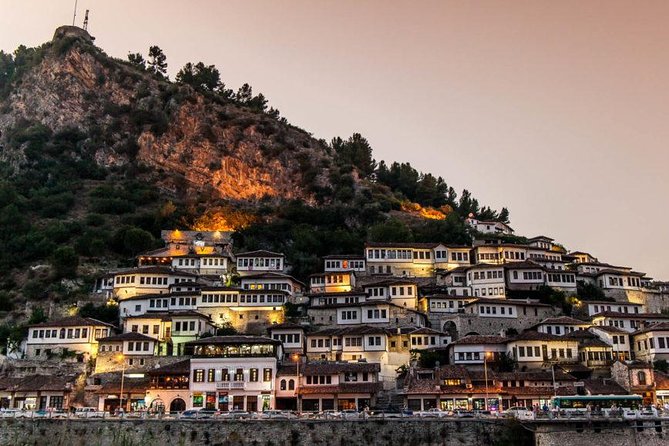
Reviewed · BERAT UNESCO DAY TRIPS
Private Day Tour of Berat and Durres from Tirana
Berat and Durres in one long day. This private tour strings together hilltop Berat and Roman-era Durres with an English-speaking guide who turns monuments into plain explanations. I like that the route mixes hands-on sights (like Berat Castle and the Onufri icon museum) with local-city views (Mangalem and Gorica). A small drawback: it’s a longer day, and Durres gets less time than Berat.
You’ll start with hotel pickup in Tirana, ride in comfort, and get entry tickets for key stops. That adds up fast, especially when you’re paying for multiple sites in one go instead of piecing it together yourself. Another plus: your guide can share practical tips for food and shopping, not just facts on a wall.
What to consider upfront: Durres is worth seeing, but it’s more of a short hit here than a full deep study. If you want one town to dominate your day, Berat is the main event.
In This Review
- Key things to know before you go
- Driving South from Tirana: settling in for a 6–8 hour rhythm
- First taste of Berat: what the city tour sets up
- Berat Castle: the hilltop neighborhood that still works
- Onufri Iconographic Museum: the Byzantine church you’ll remember
- Mangalem: Ottoman rebuilding and lighter walls
- Gorica Bridge and merchant quarters across Osumi River
- Durres Roman Amphitheatre: a quick but useful ancient stop
- Food and shopping ideas: how the guide makes it real
- Price and value: why this private format can be fair
- Best fit: who this day tour suits (and who might change the plan)
- Should you book the Berat and Durres private day tour?
- FAQ
- How long is the Private Day Tour of Berat and Durres from Tirana?
- Does the tour include hotel pickup and drop-off in Tirana?
- Is there an English-speaking guide?
- Are entry tickets included?
- Is lunch included?
- Is this tour private?
- What happens if the weather is bad?
- What time does the tour start?
Key things to know before you go
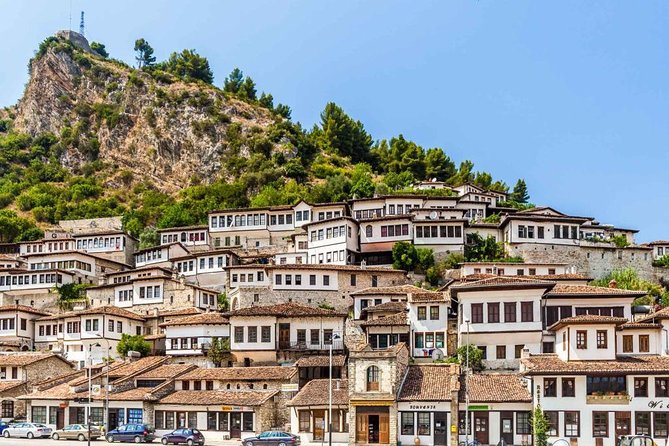
- Private, English-guided day: only your group, with a guide who can answer questions and guide you through what you’re seeing.
- Berat is the centerpiece: castle views, Orthodox churches, and the Onufri icon collection take most of the time.
- Tickets are included for multiple stops: you’re not paying out of pocket for the main Berat sites.
- Mangalem + Gorica show two sides of old Berat: Ottoman-era architecture across the Osumi River.
- Durres gives you Roman context fast: enough for a quick feel of the amphitheatre and the city’s ancient importance.
- Guide names pop up in real-world service: people mention Julio, Armando, and Aleksander for expertise and ease.
Driving South from Tirana: settling in for a 6–8 hour rhythm
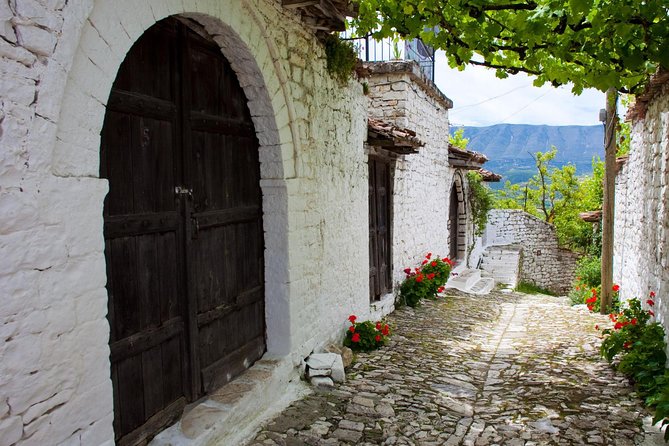
This is built as a full day out of Tirana, usually about 6 to 8 hours, starting at 9:00am. The big “feel” of the day is comfort and flow: you get air-conditioned transport and you don’t have to coordinate buses, taxis, or tickets between towns.
The ride starts with that classic Albania road-trip setup—leave the city, then gradually move into softer, low terrain tied to agriculture. The plan gives you time to transition from modern Tirana into the kind of countryside that sets the tone for Berat: hills, stone, and villages that look like they’ve been in conversation for centuries.
This matters because it changes how you experience Berat once you arrive. You’re not arriving tired and frazzled, and you’re not trying to cram a town into a rushed afternoon. You’ll be ready to look closely, ask questions, and actually absorb what makes Berat different from other Balkan hill cities.
More Berat runs up to the thousand-window quarter we have made from Tirana
First taste of Berat: what the city tour sets up
Before you even get to the castle big moments, you’re doing a proper first pass through the town area. The schedule includes time labeled as Berat City Tours with entry ticket included, and the pacing is intentional.
I like this stage because it acts like orientation. Berat can feel like a maze when you’re looking at rooftops on steep slopes, so having someone point out what you’re seeing makes the later stops much easier to connect. You get context for why Berat’s layout matters—why certain districts feel elevated, and why other parts look like they step down toward the river.
It also helps you set expectations. Berat isn’t one single attraction. It’s a stack of layers: Orthodox presence, Byzantine-era artistry, and Ottoman-era architecture that was shaped again by disaster—especially an earthquake that influenced how rebuilding happened outside the castle.
Berat Castle: the hilltop neighborhood that still works
This is the heart of the day for most people, and it has a lot going for it beyond just views. Your time at Berat Castle is about 1 hour, and admission tickets are included.
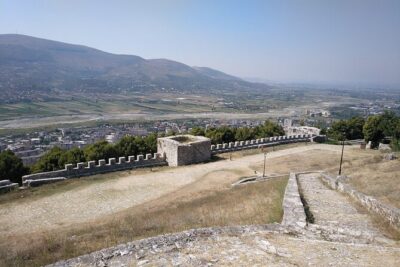
The castle area is described as one of the oldest continuously inhabited neighborhoods in the broader historical zone. The walls use heavy stone foundations linked back to Antiquity, and the city’s earlier flowering is connected to the name Antipatrea. That’s not trivia for trivia’s sake. When you look at the scale and thickness of the stonework, it helps you understand why the castle lasted.
What I find most compelling is the living quality of the place. The castle sits on a hill and is naturally protected on three sides by steep terrain. Then the human side: there’s an Orthodox community in the area, with Byzantine churches and a sense of long-term neighborhood life rather than a staged tourist set.
If you want a “wow” moment, it’s not just the fortress. It’s the way the community still feels like a big family—like people live with the place, not just around it. Guides can make this click quickly. In feedback from services like Julio and Aleksander, the consistent theme is that the history comes with practical explanations, not a lecture.
Tip for your own visit: wear shoes that handle uneven stone. You’re walking in a built-up historic area, and comfort helps you spend your attention where it counts—on the churches, the stonework, and the view lines over the city.
Onufri Iconographic Museum: the Byzantine church you’ll remember
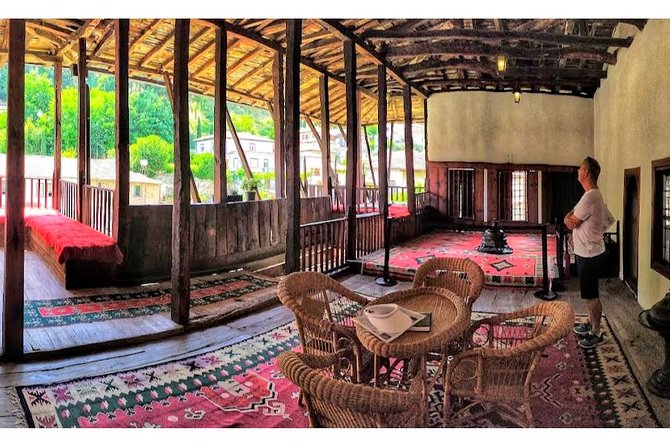
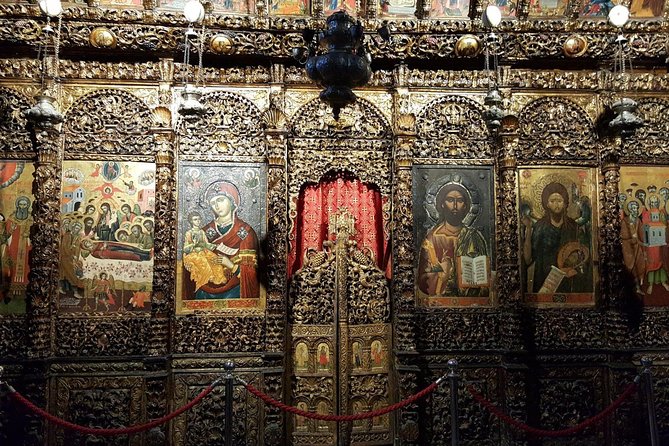
After the castle, the tour includes the National Iconographic Museum Onufri, about 30 minutes with admission included. This is inside the Greek Orthodox monastery known as the Dormitory of St Mary.
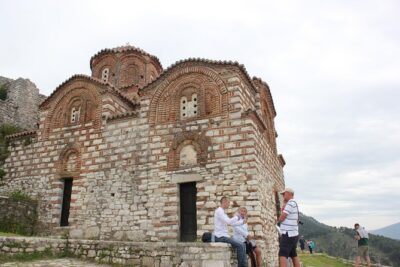
What makes this stop especially strong is that it isn’t only icons in a room. You’re visiting a church described as a typical Byzantine structure with a dual cross shape and two domes—and it’s presented as one of the best-preserved churches in Albania. That setting changes how you experience the art. You’re not just looking at paintings; you’re seeing the visual world they were made for.
Inside the museum, the collection focuses largely on works connected to Onufri and his legacy, plus pieces by an anonymous painter from the same period. The guide also points out details tied to the church decoration, including a believed decorative rosette above the main dome.
This is the kind of stop that makes you understand what local religious art communicates—style, devotion, and the skill of artists who knew exactly how to use color and form. It’s also a great pacing break after climbing around the castle. You can slow down, look closely, and let the explanations land.
If you’re short on museum patience, the key is to ask the guide to point out the specific themes they’ll highlight before you start wandering. With a good English-speaking guide, you’ll get meaning fast.
Mangalem: Ottoman rebuilding and lighter walls
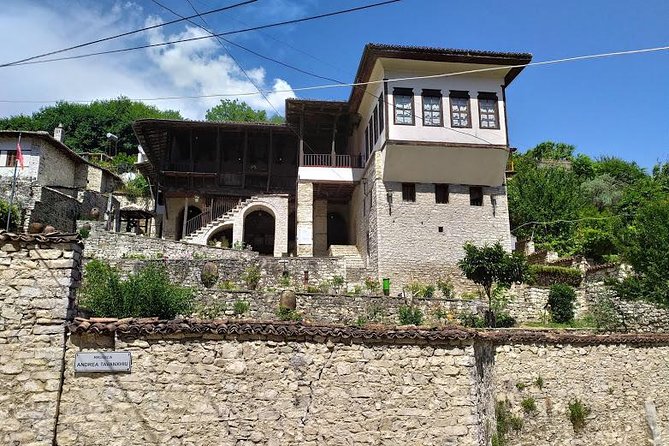
Next comes Mangalem, about 20 minutes, and it’s free to visit. This is one of the areas that shows Berat’s change over time.
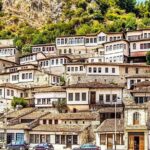
The story here is how the city expanded beyond the castle. With archaeological excavations and documents suggesting a reblooming around the 13th century, the population grew and dwellings stretched outward. Then comes the Ottoman-era influence: Mangalem is described as being structured mainly in that period.
The architecture is part of the appeal. You’ll notice a style shift from heavier tower-like structures with small windows and dense stone toward a lighter look with more windows. And there’s a dramatic historical reason: it was shaped as it looks today after an earthquake destroyed parts of the city.
This stop is short, but it’s meaningful because it helps you see Berat as a living timeline, not a single snapshot. You’re moving from fortress to church to city district, and the styles evolve in front of you.
If you’re taking photos, aim for angles that show windows and the river-facing geometry. Even when the time is limited, you’ll get a sense of how light would move across these buildings across the day.
More private Tirana trips run just for you
Gorica Bridge and merchant quarters across Osumi River
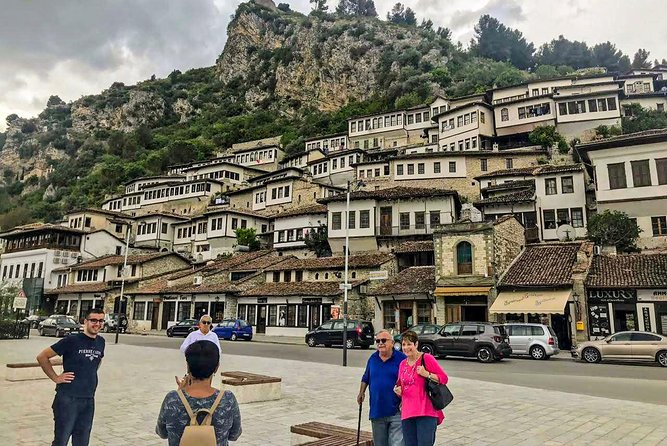
The tour then includes Gorica Bridge (about 15 minutes), with an entry ticket included. This is a quick segment, but it connects history to geography in a very direct way.
Gorica is linked to the 17th and 18th centuries, when Berat was described as one of Albania’s key cities. People came from around the country to settle, and Gorica became a merchant quarter. One group mentioned is citizens from Voskopoja in southeast Albania, and the tour frames Gorica’s development as shaped by those migration patterns.
Visually, Gorica is tied to the city’s signature look—white tones and a style that remains preserved, creating the feeling of two similar “faces” on opposite sides of the Osumi River. The stone bridge is the connector: you’re literally seeing how daily life would link these areas.
What I like here is the balance. Some historic tours focus only on big monuments. Gorica brings you to the in-between scale—quarters, bridge logic, and the everyday city fabric that makes Berat feel real.
Keep your pace. It’s short, but it’s worth walking without rushing. A bridge is where you can catch perspective lines between districts.
Durres Roman Amphitheatre: a quick but useful ancient stop
After Berat, you head to Durres for about 30 minutes, with an admission ticket listed as free for this stop. Durres is described as one of the most important Albanian cities from antiquity, especially as a Mediterranean port.
You get a quick hit of Roman context too. The tour connects Durres to the Roman road Via Egnatia, describing it as one of the important stations for merchants. That gives the amphitheatre more meaning. It wasn’t built in isolation—it sat in a network of movement, trade, and empire.
The highlight is the Roman Amphitheatre, described as having around 20,000 seats. Even in a short time, you can feel the scale—because amphitheatres are designed to make you understand power and public life.
A practical note: the Durres stop is shorter than Berat, and the tour format is a “see enough to connect the dots” approach. If you want full ruins wandering time, you might wish you had more hours here. If your goal is to understand Albania’s variety—Orthodox hill city plus Roman coast—this balance works.
Food and shopping ideas: how the guide makes it real
One of the quiet strengths of this tour is the personal guidance beyond the monuments. You’ll get personalized recommendations for eating and shopping from your guide.
That matters in Albania, where a good meal depends on knowing what to look for and how to phrase your preferences. In feedback shared by visitors who were guided by people such as Armando, the advice around lunch came with confidence and even a tip toward a place with a perfect view. That’s exactly the kind of practical help that turns a sightseeing day into a day you’ll remember.
You’ll also likely get help with how to spend time efficiently. Because the day is structured, a guide can steer you away from wasting minutes on low-value stops—especially when you’re balancing Berat’s walk-heavy areas with the quick Durres visit.
If you care about food, ask your guide one question early: Where would you eat if you had just one chance today? Then listen, because the best recommendations usually come from someone who actually knows the neighborhoods you’re in.
Price and value: why this private format can be fair
The price is $144.17 per person for a private day tour of about 6 to 8 hours. Whether that feels like a steal or a splurge depends on what you compare it to, but here’s the value logic that’s easy to see.
You’re paying for:
- Hotel pickup and drop-off in Tirana
- Private air-conditioned transport
- An English-speaking professional guide
- Entry tickets for multiple main stops (Berat area sites and key museum/bridge segments)
Lunch and personal spending aren’t included. So if you expect an all-in-one day with food handled for you, you’ll need to budget separately. But if you like the idea of minimizing hassle and maximizing included admissions, the pricing starts making sense fast.
Also, private doesn’t just mean comfort. It means pace control. If you’re slower at looking, you can stay with the group without feeling dragged. If you want extra time at Berat Castle for photos or questions, your guide can often flex within reason.
And because the tour is offered with a mobile ticket and includes key admissions, you’re not spending your day hunting down separate counters for every stop.
Best fit: who this day tour suits (and who might change the plan)
This tour is a strong match for people who want variety without doing logistics. You’ll get Berat’s hilltop and icon-art focus, plus a fast Roman anchor in Durres.
It’s especially good if you:
- Want a private experience with an English guide
- Prefer guided context over self-guided guesswork
- Like the idea of multiple historical layers in one day
- Value convenience (hotel pickup/drop-off and included admissions)
It might be less ideal if you:
- Only want one destination and hate “short stops”
- Are emotionally attached to Durres specifically and want longer beach-and-archaeology time
- Need a very light walking day—Berat Castle and surrounding historic areas do involve moving around on uneven ground
Should you book the Berat and Durres private day tour?
I’d book it if your time in Albania is limited and you want a clear, guided route that covers Berat’s most meaningful sights and then tops it off with Durres’s Roman scale. The reason is simple: Berat Castle plus the Onufri icon museum are the kind of combo that’s hard to replicate well on your own in a single day—especially with an English-speaking guide.
I’d hesitate only if you’re the type who needs hours in one place to feel satisfied. In that case, you might consider focusing your time on Berat alone and adding Durres on another day.
If you do book, go in expecting a day that runs long and packs a lot of “look closely” moments. Bring comfortable shoes, keep water handy, and ask your guide early for a lunch plan so you’re not trying to decide while hungry.
FAQ
How long is the Private Day Tour of Berat and Durres from Tirana?
It runs about 6 to 8 hours (approx.).
Does the tour include hotel pickup and drop-off in Tirana?
Yes. Hotel pickup and hotel drop-off are included.
Is there an English-speaking guide?
Yes, the tour is offered with an English-speaking guide.
Are entry tickets included?
Yes. Entry tickets are included for the listed stops, including Berat Castle, the Onufri Iconographic Museum, and other specified sites in the itinerary.
Is lunch included?
No. Lunch is not included.
Is this tour private?
Yes. It’s a private tour/activity, so only your group participates.
What happens if the weather is bad?
This experience requires good weather. If it’s canceled due to poor weather, you’ll be offered a different date or a full refund.
What time does the tour start?
The tour starts at 9:00am.
More Tirana Tours and Albanian Day Trips

More from Our Tirana Review Desk

More Berat UNESCO Day Trips
Not quite it? More Tirana tours and Albanian day trips fresh off our review desk




Berat UNESCO Day Trips, compared.
 ★ 5.0Berat city UNESCO tour, the Castle & Belshi lake- From TiranaFrom $12804 reviews
 ★ 4.5Berat-Durres and Belsh Lake, day tour from TiranaFrom $22274 reviews
 ★ 4.5Berat Tour Osumi Canyons Exploration Lunch TransferFrom $47212 reviews
 ★ 5.0Berat Osum Canyon & Bogove Waterfall TourFrom $70130 reviews
 ★ 5.0Berat Cooking Class- Traditional Albanian Cooking Class /By VatoFrom $41120 reviews
 ★ 5.0Berat UNESCO & Belshi Lake Full-Day TourFrom $12118 reviews
 ★ 5.0Berat Walking TourFrom $1886 reviews
 ★ 5.0From Tirana; Semi – Private Day Trip to Berat & Belsh LakeFrom $16863 reviews
Browse the lists this tour appears in