
Reviewed · PRIVATE
Semi-Private Tour of The Balkans from Tirana to Dubrovnik / Split
Old towns move fast here. One week can flip your sense of the region. This Tirana to Dubrovnik/Split trip strings together Albania, Kosovo, Montenegro, Bosnia & Herzegovina, and Croatia with guided time in places you’d struggle to connect on your own.
I especially like the way the day-to-day focus stays personal: Tirana starts with real local food stops (byrek, Qofte, Albanian coffee, dessert), then keeps that same hands-on feel in markets like Krujë Bazaar. I also love that UNESCO-level sights show up at the right moments—Kotor and Stari Most—so you’re not just ticking boxes, you’re seeing why these towns mattered.
One thing to consider: it’s a lot of driving and cross-border time in 8 days, and a few portions involve uneven walking (notably in Sarajevo). If you want a slow, beach-only pace, this route may feel like a sprint.
In This Review
- Key highlights to expect
- A first-timer route that makes the Balkans make sense
- What semi-private really feels like (max 10)
- Price and logistics: does $2,754.29 per person add up?
- Day 1 in Tirana: bazaars, Albanian coffee, and Bunk’Art 2
- Day 2: Krujë’s resistance story and Prizren’s Ottoman vibe
- Day 3: Gjakova bazaar, Decan monastery, and Rahovec wine country
- Day 4: Mrizi i Zanave farm life and Rozafa Castle over the lake
- Day 5: Budva’s old town and Kotor’s cobblestone maze
- Day 6: Stari Most in Mostar and Blagaj by the Buna spring
- Day 7: Sarajevo’s war reminders, Ottoman/Austro-Hungarian quarters, and Latin Bridge
- Day 8: finish at the Croatian border and drop into Dubrovnik or Split
- Who this tour fits best (and who should look elsewhere)
- How to prepare so the days feel easier
- Should you book this Tirana to Dubrovnik/Split tour?
- FAQ
- How long is the Semi-Private Tour of The Balkans from Tirana to Dubrovnik / Split?
- Where does the tour start, and when?
- Where does the tour end?
- Is pickup and drop-off included?
- What’s included in the price?
- What isn’t included?
- How big is the group?
- Are site admission tickets included?
- Do I need travel insurance or pay tips?
Key highlights to expect
- Small group size (max 10) with private transport for a more flexible feel
- Tirana’s food-first morning: byrek, raki, Bazaar stops, and Albanian coffee
- UNESCO moments: Kotor and Stari Most, plus the Decan monastery on the Kosovo stretch
- A farm lunch option in Albania at Mrizi i Zanave agroturizëm (slow food style)
- Mostar plus Blagaj: the bridge and then the Buna river springside setting
- Sarajevo on the ground: Ottoman/Austro-Hungarian quarters and the Latin Bridge area
A first-timer route that makes the Balkans make sense
This is a classic “one-week sampler” through five countries, and the value is in the stitching. You get long-distance context without needing a travel spreadsheet or a stack of local bus schedules.
Because the transport is private and the tour leader plans the moves, you spend less energy on logistics and more time actually looking. You’ll also get a clear sense of how borders changed, but local life still runs on markets, food, faith, and family-run traditions.
More private Tirana trips run just for you
What semi-private really feels like (max 10)
The group cap is 10 travelers, which matters. With a smaller group, you’re less likely to feel lost in a crowd outside churches, bazaars, and viewpoints. It also helps when you’re switching countries quickly and need the leader to steer timing.
You’ll also travel by private car/transport most days rather than hopping on public buses. That reduces friction, especially when you’re moving between old towns at street level where luggage doesn’t exactly love cobblestones.
Price and logistics: does $2,754.29 per person add up?
The price is steep on paper, but this tour bundles a lot of the expensive-to-organize parts for you. You’re paying for private transport, a professional tour leader, hotel pickup/drop-off in Tirana and Croatia (Dubrovnik or Split), and breakfast included for 7 mornings in 3-star hotels.
It also includes entry tickets for the sites that are on the plan, plus tourist taxes and the usual road costs (insurance, petrol, road taxes). That means fewer separate ticket errands and less “surprise add-on” anxiety mid-trip.
What’s not included is equally important. Lunches, dinners, drinks, and snacks are on you. If you plan to eat casually at local places each day, it won’t derail the budget, but you should still factor it in. And souvenirs and personal spending are extra, so shop mindfully.
Day 1 in Tirana: bazaars, Albanian coffee, and Bunk’Art 2
Tirana sets the tone with food, neighborhoods, and history you can feel on the street. Expect a mix of guided stops and time to wander with your local companion, then a finish at Bunk’Art 2, a museum inside a former nuclear bunker linked to Enver Hoxha-era communist planning.
Here’s the flow I’d count on if I were you:
- You start with a local intro to the capital, then head to Tregu Çam, a bazaar tied to the Çam community’s roots. You’ll try byrek for breakfast.
- Later, the plan shifts to Pazari i Ri, where you can browse a bicycle bazaar-style area and the New Bazaar for lunch basics like Qofte (and a cottage cheese option for vegetarians), plus raki.
- You finish with a coffee culture stop—Albanian coffee—served in a cozy café format that’s the opposite of tourist-menu travel.
I like Day 1 because it helps you get your bearings fast: you learn what people actually eat and where they shop before you jump to castles and coastlines.
Practical note: walking and market time is real, so comfortable shoes matter even on the “first day in the city.”
Day 2: Krujë’s resistance story and Prizren’s Ottoman vibe
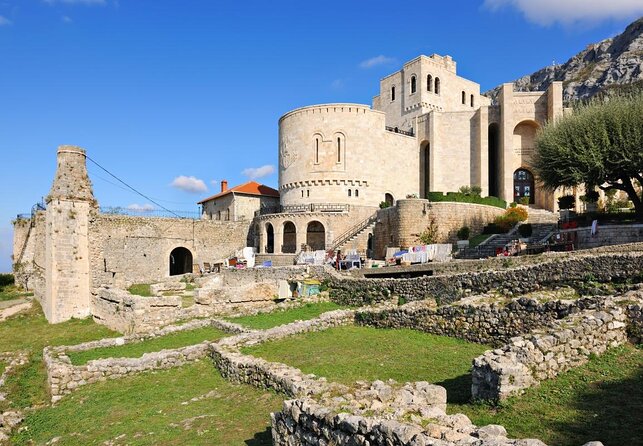
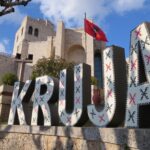
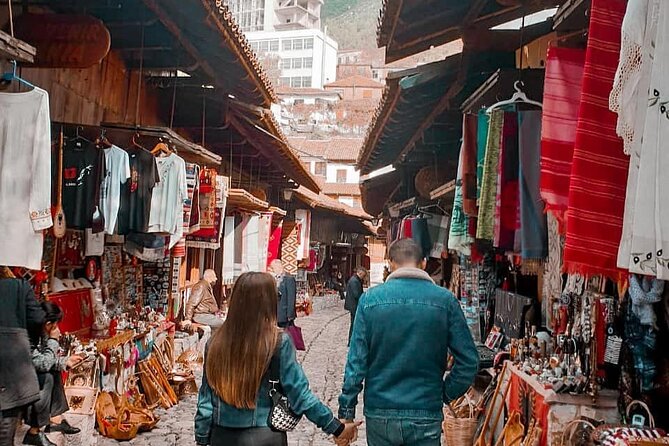
Krujë is where Albania’s Ottoman-era resistance gets embodied in places. You’ll visit the Krujë Medieval Old Bazaar, then climb to Kruja Castle with the kind of dramatic hill placement that made it hard to attack.
In the bazaar, keep your expectations realistic: it’s a shopping stop, yes, but it’s also one of the best places in Albania to pick up souvenirs without feeling like you’re in an isolated craft market. You can find carpets, jewelry, and other handmade items, and it’s the kind of place where bargaining is part of the rhythm.
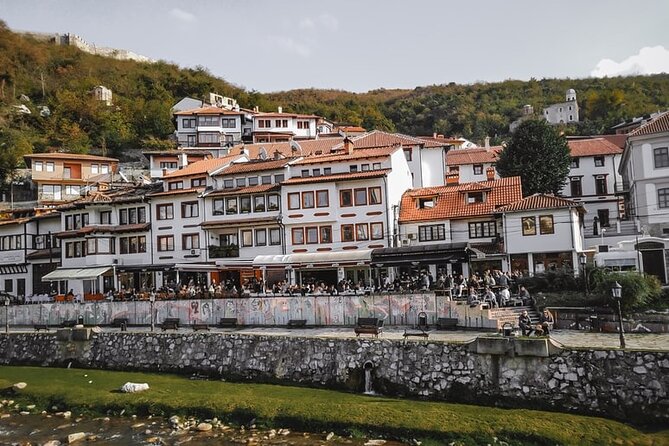
Then you cross into Kosovo and land in Prizren, often described as a cultural capital for a reason. The plan includes:
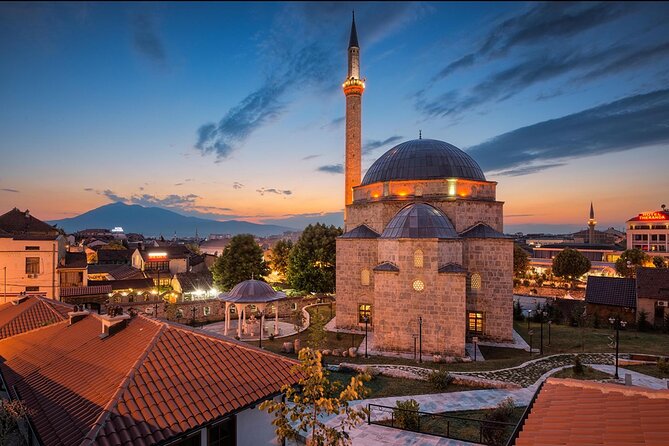
- Sinan Pasha Mosque (rich arabesque patterns)
- Kalaja Fortress for an above-town panorama
- Time in town, plus a free afternoon for your own wandering
If you like cities that feel lived-in at street level—bridges over water, small alleys, religious sites side by side—Prizren is a strong mid-trip payoff.
Day 3: Gjakova bazaar, Decan monastery, and Rahovec wine country
Day 3 is built around three different kinds of “place meaning.”
First: Gjakova. The focus is the bazaar, described as Kosovo’s oldest and largest, and rebuilt after wars and destruction. That matters. You’re not just seeing craft shops; you’re seeing rebuilding as a cultural project.
Second: Decan Monastery. This is a UNESCO-linked stop known for frescoes and for the fact that Orthodox monks still inhabit the monastery grounds and make organic foods like cheeses. It’s the kind of site that rewards slow attention.
Third: Rahovec Valley. This is the wine side of Kosovo. You’ll hear that grape cultivation here goes back 2000 years, and that the vineyards sit around 350 to 520 meters elevation. If you’re traveling in September, there’s a wine festival timed annually in Rahovec.
This day works best if you want variety: market life, religious art, then vineyard views without repeating the same scenery style.
Day 4: Mrizi i Zanave farm life and Rozafa Castle over the lake
This is the day I’d point to if you’re tired of only churches and bridges. At Mrizi i Zanave (Restorant Agroturizëm), you get an agrotourism farm visit with a slow-food approach. The plan includes a tour of how the family business collects, preserves, and makes bio products, plus a lunch and/or buying fresh produce time.
You’ll also hear how the farm adapted old communist buildings for storage and jobs for hundreds of local people. That’s the kind of context that makes food stops more than just a meal.
In the afternoon, it shifts to Shkodër and Rozafa Castle. Rozafa is all about views: you’ll see the scenic convergence of three rivers toward the Adriatic Sea. In Shkodër, the tour notes Venetian-style architecture influences, and it even mentions that February carnival can include Venetian masks made there.
If you’re the type who likes a mix of practical farm reality and scenic “lookouts,” Day 4 balances well.
Day 5: Budva’s old town and Kotor’s cobblestone maze
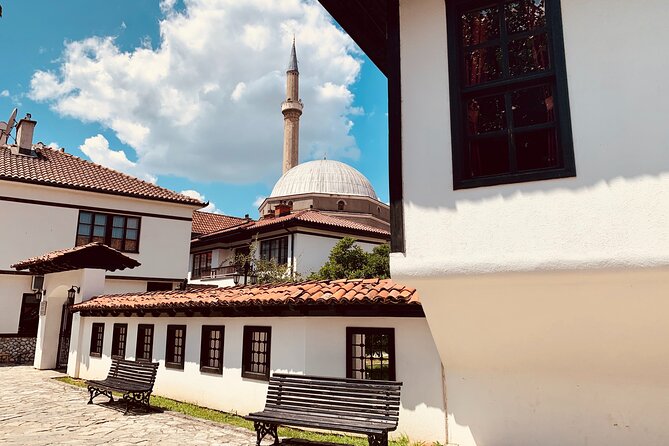
Montenegro is where the route starts feeling more coastal. You begin with a viewpoint near Sveti Stefan, but there’s an important expectation setting: the island itself isn’t visitable anymore because it’s turned into an exclusive residential resort. You’ll still get the famous perspective for photos.
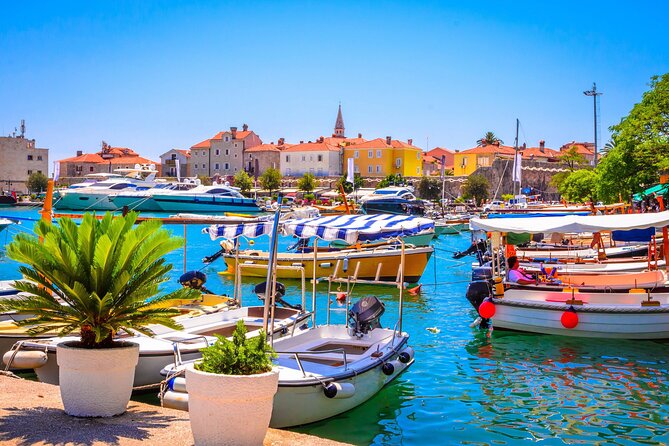
Then it’s Budva, split into New and Old Budva. Old Budva is where the tour goes: churches like St. Ivan and the small church of St. Mary, plus time in the historical center.
After Budva you head to Kotor, a UNESCO site famous for its tight medieval streets. Your guided time includes wandering the maze-like old town lanes and visiting Saint Luke’s church.
What to plan for: Kotor’s cobblestones and narrow streets can be slow going. I’d treat this day as an active walk, not a sit-and-smile day.
Day 6: Stari Most in Mostar and Blagaj by the Buna spring
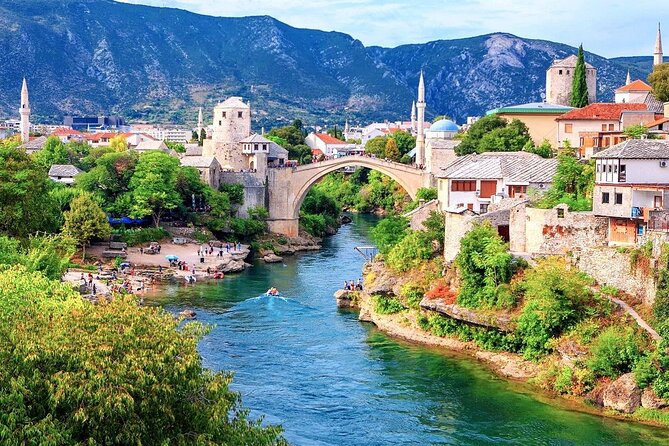
This is the day most people remember. Old Bridge Mostar (Stari Most) is UNESCO-listed, and it’s both a landmark and a story. It was built in the 16th century in an Islamic architectural style, and the tour keeps it grounded in what makes it iconic.
Right after the bridge, you’ll move through the Old Bazaar area of Mostar. Expect colorful streets and lively atmosphere, plus the town’s commemorative details in the form of stones marked with Don’t Forget messages.
Then comes Blagaj tekija, outside Mostar, tucked at the foot of a cliff with blue waters in front tied to the spring of the river Buna. It’s a nature-and-faith stop that feels like a change of gear.
Mostar also includes afternoon free time to explore on your own. That’s useful because Mostar can be fun to wander at your own pace—especially if you want to double back for coffee or a second look at the bridge area.
Day 7: Sarajevo’s war reminders, Ottoman/Austro-Hungarian quarters, and Latin Bridge
Sarajevo is emotionally heavier than the coastal towns earlier in the trip, and the itinerary doesn’t hide that. The plan mentions walking on uneven terrain while visiting ruins and seeing reminders of the Yugoslav War, like bullet holes and cannon marks.
You’ll cover Ottoman and Austria-Hungarian parts of Sarajevo, including markets, bazaars, mosques, churches, and synagogues. It’s the kind of city where architecture and religion show up in everyday form, not just in museum exhibits.
The tour also includes the Latin Bridge, tied to the story of how WWI was triggered in Sarajevo. The bridge connects the right bank of the Miljacka with the Catholic quarter area historically referred to as Latinluk in Ottoman times.
Then you get a bit of breathing room: free time for traditional dishes and a chance to settle into the old town rhythm.
If you want photos, history, and a real sense of how modern Europe still carries the scars of conflict, Sarajevo is the big reason to do this route.
Day 8: finish at the Croatian border and drop into Dubrovnik or Split
On the final day, you head to the Croatian border, then your local representative shuttles you to your hotel choice in either Dubrovnik or Split.
This ending matters because the coast feels different in each city. Dubrovnik tends to feel “walled city” intense, while Split is more spread out around its harbor energy. The tour doesn’t give you time to go deep into both, so you’re essentially choosing your final flavor.
Who this tour fits best (and who should look elsewhere)
This tour suits you if:
- You want a single organized route across multiple countries without piecing everything together
- You like guided context at major landmarks, then some free time to wander
- You’re okay with 8 days of movement and a mix of driving and walking
It may not fit if:
- You want lots of beach time with minimal transit
- Uneven walking in older cities and historical centers sounds stressful
- You prefer fully independent travel planning and don’t want your days structured by a set route
How to prepare so the days feel easier
A few practical moves can make this trip smoother:
- Pack good walking shoes. Kotor, Sarajevo, and old-town routes don’t do kindness on flat soles.
- Plan for meals being mostly on you. Breakfast is covered, but lunches and dinners are not.
- Bring light layers. You’re moving through different climates and elevations, including viewpoints and hilltop sites like fortress areas.
- Have a flexible mindset. The itinerary may change due to weather, site closures, labor strikes, bank holidays, or other forces outside the company’s control.
Should you book this Tirana to Dubrovnik/Split tour?
I think it’s a strong choice if you want maximum “Balkans variety” in a short window, and you value having entry tickets, private transport, and day planning handled.
One extra reason to feel confident: the tour leadership is specifically praised by name in the available feedback—Besa and Sirma are both highlighted for being friendly and helpful, with guide storytelling that adds personality to history points. That kind of guide support matters on days with long drives and multiple stops.
If your budget allows and you’re comfortable with an active week, book it. If you’re looking for a slow pace, or you hate the idea of walking uneven stone streets, you’ll be happier with a more single-country, fewer-cities style trip.
FAQ
How long is the Semi-Private Tour of The Balkans from Tirana to Dubrovnik / Split?
The tour runs for 8 days (approx.) and includes multiple stops across Albania, Kosovo, Montenegro, Bosnia & Herzegovina, and Croatia.
Where does the tour start, and when?
The tour starts in Tiranë, Albania at 9:00 am.
Where does the tour end?
It ends in a different location, with drop-off in either Dubrovnik or Split (based on what’s listed for your booking).
Is pickup and drop-off included?
Yes. There is hotel pickup in Tirana, and hotel drop-off in Dubrovnik or Split is included.
What’s included in the price?
Breakfast (BB) for the overnights in 3-star hotels, private transport, a professional tour leader, entry tickets for visited sites, tourist taxes, and breakfast is listed as 7 breakfasts. The tour also includes international car insurance, road taxes, and petrol.
What isn’t included?
Lunches, dinner, drinks, snacks, souvenirs, and everything not mentioned in the included list are not included.
How big is the group?
The maximum group size is listed as 10 travelers.
Are site admission tickets included?
Yes, entry tickets for the sites that will be visited are included.
Do I need travel insurance or pay tips?
The tour notes that you are responsible for having your own health/travel insurance. Tips are not a must in Albania or the Balkans, but the recommendation is to tip the tour leader/driver as an international practice for good service.
More Private Tirana Days at Your Own Speed
More Tirana Tours and Albanian Day Trips

More from Our Tirana Review Desk
Not quite it? More Tirana tours and Albanian day trips fresh off our review desk


Private, compared.
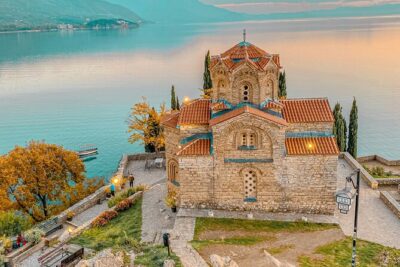 ★ 5.0Semi-Private Tour of North Macedonia: Ohrid & Struga from TiranaFrom $262170 reviews
 ★ 5.0Semi-Private Day Tour of Montenegro: Budva & Kotor from TiranaFrom $26171 reviews
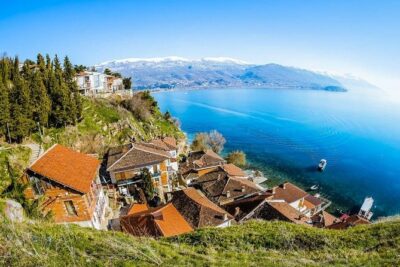 ★ 5.0Private Ohrid Day Tour and Authentic Village from Tirana & DurresFrom $15071 reviews
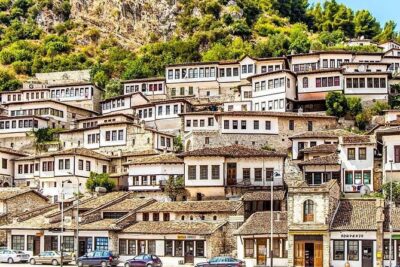 ★ 5.0From Tirana; Semi – Private Day Trip to Berat & Belsh LakeFrom $16863 reviews
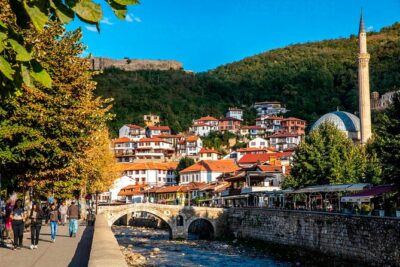 ★ 5.0Semi-Private Day Tour to PrizrenFrom $26153 reviews
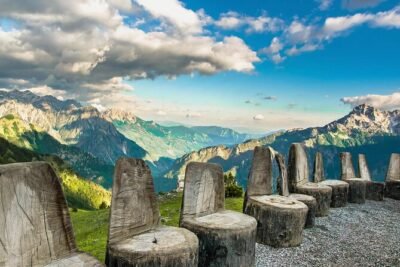 ★ 5.0Semi-Private Day Tour of Theth & Blue Eye from Tirana / ShkoderFrom $26152 reviews
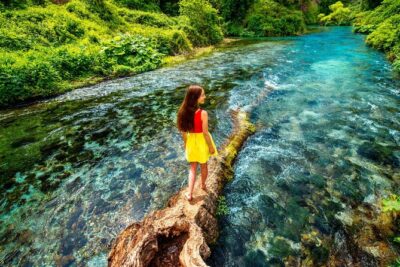 ★ 5.0Semi – Private Tour of Saranda, Ksamil & Blue Eye from TiranaFrom $23548 reviews
 ★ 5.0Semi – Private Tour at Cape of Rodon; Hidden Beaches & HistoryFrom $17046 reviews