Reviewed · TIRANA
Southern Albania: Culture and nature adventure
Southern Albania hits you with variety fast: lagoons, ruins, and hill towns. This 7-day culture-and-nature route connects bird-filled wetlands with major historical sites, then slows down just enough for villages and viewpoints. You’ll start in Tirana (with pickup options) and end near Lake Ohrid, with comfortable driving and English-guided time on the ground.
I especially like how much is covered without feeling like a sprint—boat time at Karavasta, walking in Berat and Gjirokaster, and proper breaks for scenery. The second big win is the guide/driver setup: the operator’s team includes people like Gezim and guides such as Samet (and also Elvis and Denis in some departures), and that shows up in how smoothly days run and how easy questions are to handle.
One consideration: lunch and dinner aren’t included, so you’ll be budgeting meals most days. Also, since this is shared-room accommodation, if you’re sensitive about room-mates, consider booking together.
In This Review
- Key highlights worth circling first
- Southern Albania at a calm pace: lagoons, ruins, and hill towns
- Value check: what $1,155.95 buys you (and what it doesn’t)
- Day 1 Karavasta Lagoon and Berat’s castle-and-church mix
- Day 2 Apollonia ruins, Vlore sea air, and Narta–Zvernec wildlife
- Day 3 Dhermi, Qeparo, Himare: Ionian villages plus Porto Palermo
- Day 4 Butrint National Park to Gjirokaster’s Stone City
- Day 5 Ali Pasha territory, Nivica canyon waterfall time, and the Vjosa valley feel
- Day 6 Benja thermal baths, a mountain farm stop, and Voskopoje churches
- Day 7 Korçë and Lake Ohrid shores for a softer landing
- How guides and the small group change your experience
- Practical tips for packing and planning meals
- Should you book this Southern Albania culture and nature adventure?
- FAQ
- How long is the tour?
- Where can you get picked up?
- Is the tour offered in English?
- What’s included in the price?
- Are lunch and dinner included?
- How big is the group?
- What is the cancellation policy?
- Is this suitable for most travelers?
Key highlights worth circling first
- Maximum 8 travelers keeps this feeling personal, not crowded.
- Karavasta Lagoon boat ride adds nature right away, with birds and calm water time.
- Butrint National Park brings ancient layers in a setting where ruins meet wild nature.
- Gjirokaster Stone City gives you stone houses, castle views, and a very “step back in time” feel.
- Nivica canyon waterfall area adds a more off-the-beaten-path adventure day.
- Thermal baths plus rural stops means the trip isn’t only temples and castles.
Southern Albania at a calm pace: lagoons, ruins, and hill towns
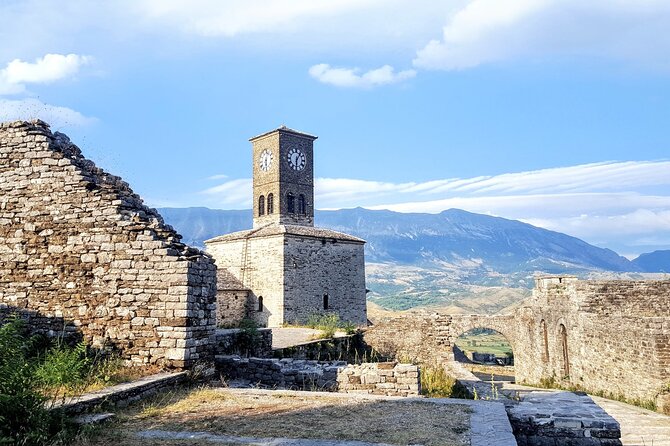
This is the kind of trip that makes sense if you want a route with real contrast. One day is wetlands and churches; the next is ancient parks, then castle walks, then countryside valleys with thermal water. The pacing feels built for road-trip comfort: you get guided time for the big sights, plus enough free moments to absorb each place.
Most days combine a short walking component (old streets, castles, bazaars) with a clear “why this matters” explanation from your English guide. And because the group is small, you’re not stuck waiting behind a line of people at every turn—your time is simply easier to manage.
Still deciding? Here are more Tirana tours and Albanian day trips we have booked and rated across Tirana.
Value check: what $1,155.95 buys you (and what it doesn’t)
At $1,155.95 per person, you’re paying for a lot more than sightseeing. Your price includes transportation in a comfortable car/minivan, an English-speaking guide/driver, 6 breakfasts, and a stack of covered entrance fees (including major sites like Apollonia, Porto Palermo Castle, and Butrint). Accommodation is also included in shared rooms, and you’re pairing with your partner if you book together.
What’s not included is just as important: lunch and dinner are on your own. Tips are optional. That means you’ll want to plan around meal stops, especially on longer driving days when you might not want to hunt for food at the last minute.
If you like structure but hate logistics, this is a good match. The route removes a lot of decision fatigue: you show up, you drive, you get guided time, and the main ticket costs for several headline attractions are already handled.
Day 1 Karavasta Lagoon and Berat’s castle-and-church mix
You start with a wetland detour at Laguna e Karavastase (Karavasta Lagoon), stopping in the largest lagoon area in Albania. Then comes the easy-to-love part: a boat tour where the scenery is calm and the birdlife is the star. Even if you’re not a dedicated birder, it’s relaxing, and it sets the tone for the trip as something more than monuments.
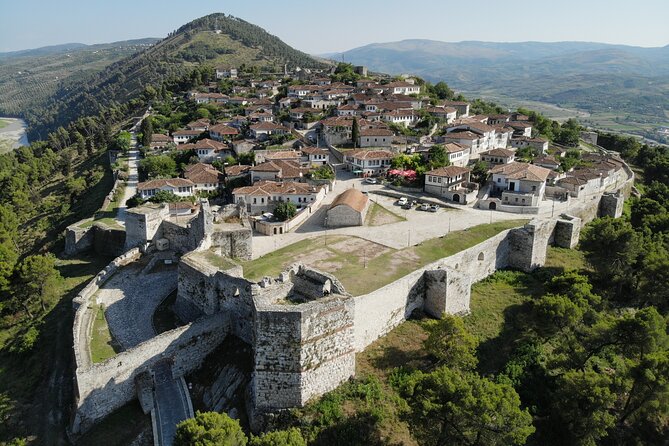
Then it’s off to Berat, one of Albania’s best-known historic towns. You’ll walk the cobblestoned streets and head up to the ancient castle, with time to see the mix of key religious and cultural sites—St. Mary church, King’s Mosque, and Halveti Tekke—plus broad views toward Tomorr mountain.
The final touch is very practical: a stroll along the Osum River in the Mangalem and Gorica neighborhoods. That matters because it’s where Berat stops being just “a guided stop” and becomes a real place you can feel at street level.
Day 2 Apollonia ruins, Vlore sea air, and Narta–Zvernec wildlife
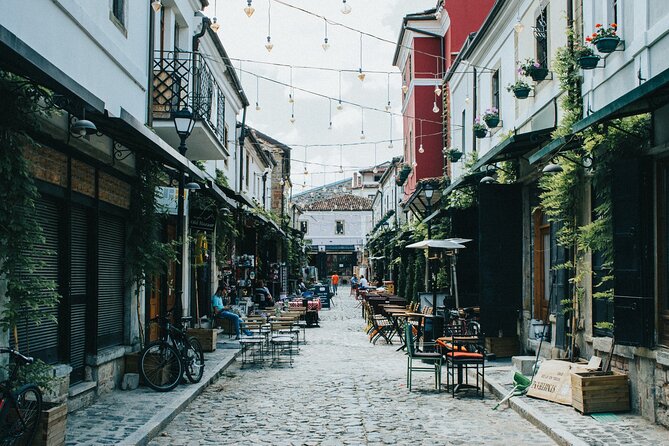
The day opens with Apollonia Archaeological Park. This matters because Apollonia isn’t just a bunch of stones in a field—it’s a rare overlap of Greek and Illyrian heritage set in dramatic scenery. You get about 3 hours there, which is enough time to see the core without feeling rushed.
After that, the route lands in Vlore, known for Albania independence from the Ottoman Empire. Your time here is less about museums and more about orientation: a guided walk through Independence Square and along the sea promenade. If you want that “I’m in a coastal city now” moment, this delivers it.
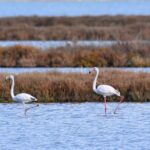
Then the day ends on a nature note at Narta Lagoon and Zvernec Island. This is the bird-and-water stop—think Dalmatian pelicans and flamingos in a Mediterranean pine area. It’s short on time, but that’s fine; this is one of those places where the payoff is simply being there and looking for wildlife.
Day 3 Dhermi, Qeparo, Himare: Ionian villages plus Porto Palermo
This is a coastal-road day, with several village stops that feel different from each other. Dhermi is known for beaches and an old-town feel, and you’ll have time to wander and reset your senses. Qeparo adds atmosphere: hilltop homes and a more mysterious, looming feel facing the Ionian Sea.
Then it’s Himare, a smaller town with locals who host lots of summer visitors. Even with only a short stop, you get the sense of how everyday life and tourism overlap here.
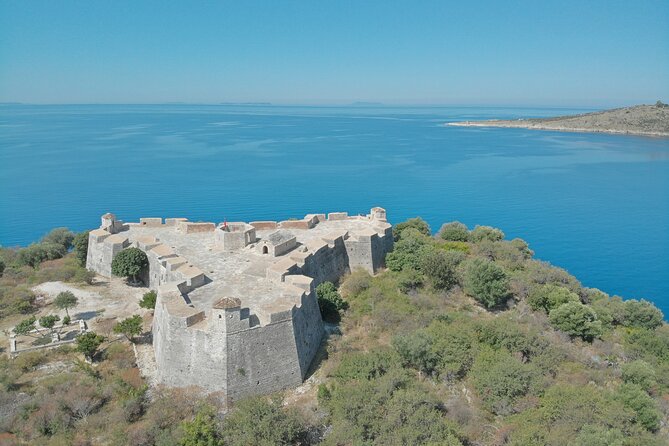
The culture bump comes next at Porto Palermo Castle, built as a defensive fortress in the 18th century by Ali Pasha Tepelena. It’s not just a “look from outside” moment—castle walls belong to the landscape, and you’ll get a real feel for why this location mattered.
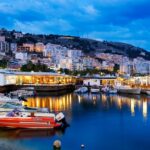
The last stop is Saranda, where the mood shifts. You’ll have time to walk the city and decide how you want to spend your evening—seafood, nightlife, or just strolling at your own pace.
Day 4 Butrint National Park to Gjirokaster’s Stone City
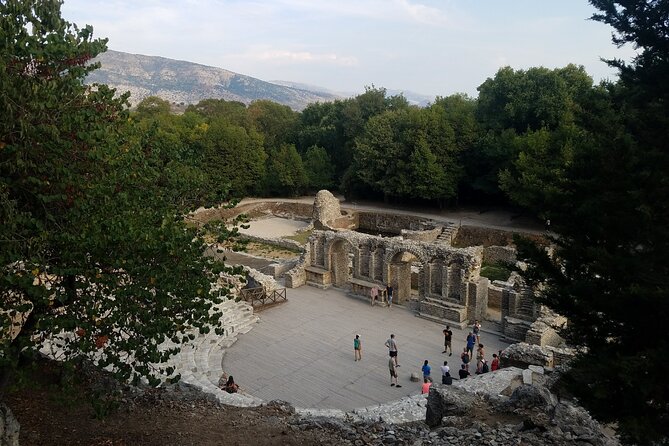
Today is about big-name history without sacrificing the outdoors. Butrint National Park is the centerpiece, and you’ll be there with a guide inside the ancient area. The ruins cover a long timeline—from the 8th century B.C. onward—so you experience how Illyrians, Greeks, Romans, and Byzantine eras layered into one place. Being out in nature while you walk the ruins is part of the magic here.
Next, you’ll head to Ksamil, close to Butrint, with sandy beaches and views of Corfu Island across the water. This is your “breathe for a minute” stop, and it’s especially good if you want photos that look like you planned them—without needing special effort.
On the way toward Gjirokaster, there’s a pause at the Blue Eye springs. It’s a quick reset and a good chance to stretch before another walking day.
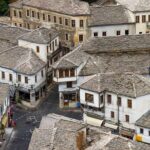
Then it’s Gjirokaster, a UNESCO World Heritage town often nicknamed Stone City. You’ll do a guided walking tour including the old bazaar, the castle area, the bazaar mosque, and the Gjirokaster Obelisk. Expect architecture that feels designed to last, and streets that naturally pull you toward viewpoints.
You’ll also climb to Gjirokaster Castle itself for views over the valley and town. This is one of those moments where the effort of the stairs pays off immediately.
Day 5 Ali Pasha territory, Nivica canyon waterfall time, and the Vjosa valley feel
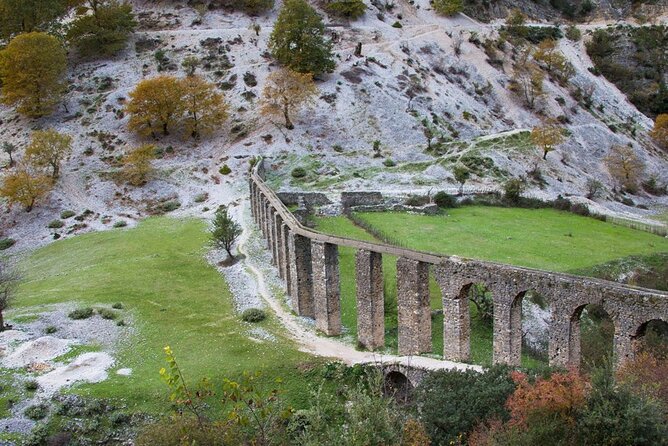
This day intentionally moves away from the biggest tourist magnets. You start in the Tepelene area, with stops connected to Ali Pasha. You’ll see the birthplace of Ali Pasha and the 19th-century viaduct built during his reign—perfect for understanding how this region developed under his rule.
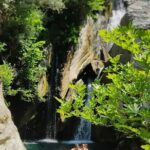
Then the trip heads into mountains for Progonat and the Peshtura Waterfall area near it. You’ll take a short walk from the village to reach the springs and karstic area. If you’re the kind of traveler who loves water and “look where this trail goes,” this is one of the more adventurous moments in the whole route. One group highlights getting this kind of spot almost to themselves, which can happen when timing and group size line up.
Next is Nivice, for canyon views and lunch. After that, you move into the Vjosa River valley with a stop in Permet, a town known for raki, gliko (fruit jam), and rose flowers. This is one of those days where you feel the change from coastal crowds to slower valley life.
Day 6 Benja thermal baths, a mountain farm stop, and Voskopoje churches
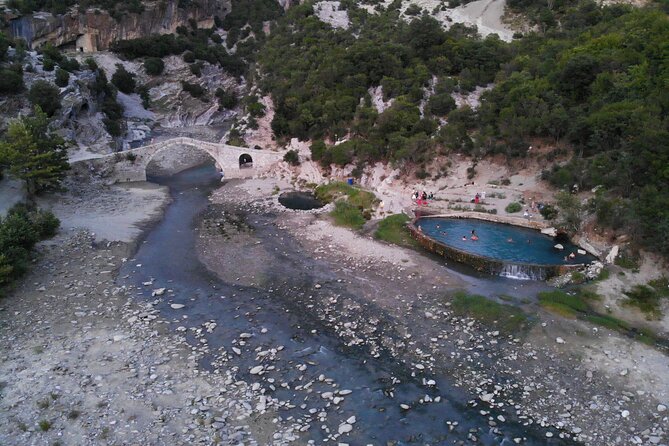
This is your comfort-and-countryside day, starting at Benja Thermal Baths. You’ll explore the baths area, including time to swim, plus a walk by Kadiu bridge. This is a smart placement in the trip—your feet have been working for several days, and thermal water gives you that reset.
Then the route goes through green valleys, forests, and rural mountains toward Germenj, with a stop at a local farm. You can try fresh local products and even play with horses if you’re around animals-friendly—this is the kind of stop that makes the trip feel human, not staged.
Next is Voskopoje, a small village with big historical importance in the region during medieval times. You’ll walk around and visit Orthodox churches, plus see the village spirit up close. It’s not flashy like a single landmark; it’s more like walking through a living museum, one street and church at a time.
Day 7 Korçë and Lake Ohrid shores for a softer landing
The final stretch moves back toward cities, but in a distinct way. You’ll reach Korçë, nicknamed The Little Paris because of its World War I-era mystic history, old bazaar, and stylish houses. You’ll have time here to wander and get a different kind of urban atmosphere than the coast.
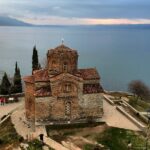
Then you end near Lake Ohrid, stopping at the Albanian lakeshore area around Tushemisht and Lin. This is a fitting finish: after ruins and castles, you get water, views, and a calmer end-of-trip rhythm.
How guides and the small group change your experience
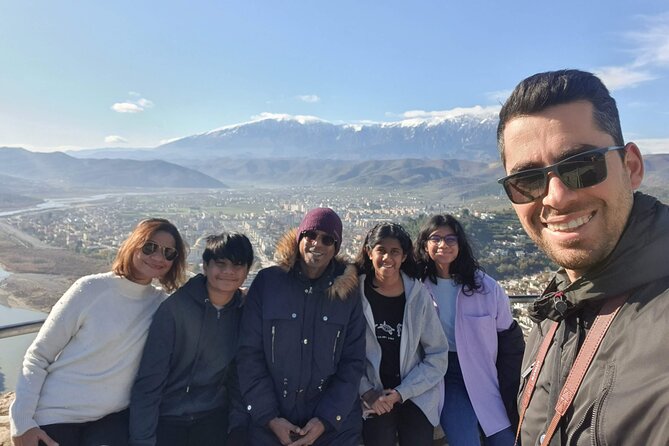
This tour runs with a max group size of 8, and that shows in the day-to-day flow. With smaller groups, you can ask follow-up questions, you can hear the guide without straining, and you’re less likely to lose half your day stuck in a crowd.
Names that come up often include Gezim (planning and overall service), and guides such as Samet, plus others like Elvis and Denis depending on the departure. In particular, guide Samet/Sam stands out in feedback for being friendly, flexible, and attentive—especially for groups that want a slightly more adventurous feel, like suggesting the Peshtura waterfall stop or making sure the driving stays smooth and safe.
One more practical thing: if you’re traveling with kids or you have a mixed group, you’ll likely appreciate that the walks and hikes can be adjusted for safety. That kind of flexibility is a big quality-of-life upgrade on a multi-day road trip.
Practical tips for packing and planning meals
Because lunch and dinner aren’t included, I’d plan your day around finding food stops you actually want. If you’re the type who hates hunting when you’re tired, don’t wait until late evening to decide where you’ll eat—ask your guide at the start of each day when possible.
For gear, think simple and useful:
- Good walking shoes for castle steps and cobblestone streets.
- Swimwear and a towel or quick-dry option for Benja Thermal Baths.
- A light layer for spring/fall temperatures, especially where you’ll be at higher viewpoints.
Also, bring cash or a card for snacks and drinks. Even when entrances are handled, you’ll want small spending flexibility for water, coffee, and quick bites between stops.
Should you book this Southern Albania culture and nature adventure?
If you want variety without chaos, I’d say yes. This route blends lagoons, ancient parks, castle views, mountain villages, and thermal baths into a week that feels like you actually toured a region—not just visited a list of attractions.
It’s especially strong if you like:
- Nature moments that aren’t only scenery (boat ride, lagoons, thermal swimming, waterfall area).
- Guided walking in historic towns like Berat, Gjirokaster, and Voskopoje.
- A small-group feel with room for questions and small adjustments.
Skip it or reconsider if you:
- Hate sharing a room (accommodation is shared).
- Want all meals included (you’ll pay lunch and dinner on your own).
- Prefer only one theme (this is clearly a mix: coast, ruins, countryside, and cities).
Bottom line: for the money, you’re getting serious logistics handled—transport, English guidance, and multiple entrance fees—while still getting enough freedom to enjoy each place at street level.
FAQ
How long is the tour?
It runs for about 7 days.
Where can you get picked up?
Pickup is available from any hotel in Tirana, Durres, or Tirana International Airport.
Is the tour offered in English?
Yes. It’s offered with an English-speaking guide/driver.
What’s included in the price?
The price includes transportation, English guide/driver, 6 breakfasts, accommodation in shared rooms, and listed entrance fees for several major stops (including Apollonia, Porto Palermo Castle, Butrint, Gjirokaster fortress and museums, plus other included museum/church entries).
Are lunch and dinner included?
No. Lunch and dinner are not included.
How big is the group?
The tour has a maximum of 8 travelers.
What is the cancellation policy?
You can cancel for a full refund if you cancel at least 6 full days before the experience start time. A 50% refund is available for cancellations made 2–6 days before. If you cancel less than 2 days before the start time, the amount paid is not refunded.
Is this suitable for most travelers?
The information says most travelers can participate. Service animals are allowed, and the tour is near public transportation.