
Reviewed · TOURS
Small Group Tour; The Balkans & Central Europe – Tirana to Vienna
Borders blur into beauty on this route. I like how this trip stitches together former Austro-Hungarian capitals with Balkan stops, so each day feels like a new chapter instead of a repeat. Two things I especially enjoy are the mix of UNESCO sites and the way the itinerary balances big sights with quieter moments like hilltop views and slow-food agriculture.
You also get a practical travel setup: private transportation, a professional tour leader, and hotel stays with breakfast included. One consideration: it is a fast-moving, many-country itinerary with plenty of driving and some uneven walking, so you’ll want comfortable shoes and realistic expectations about downtime.
In This Review
- Key highlights before you go
- Tirana to Vienna: why this route feels different
- Kruja and the medieval old town: shopping and castle views
- Prizren and Gjakova: mosques, bridges, and artisan culture
- Deçan Monastery and Rahovec Valley: UNESCO art and wine country
- Mrizi i Zanave and Shkodra: slow food and Venetian-era clues
- Montenegro’s coast: from Sveti Stefan viewpoints to Kotor’s medieval maze
- Mostar and Sarajevo: the bridge that people photograph, and the war scars you can’t
- Serbia along the Drina and Danube: fortresses, parks, and baroque towns
- Subotica’s City Hall and Budapest’s skyline: architecture lovers will smile
- Győr, Bratislava, and the Vienna hotel drop: finish with cleaner pacing
- What your money buys on this Tirana to Vienna route
- Should you book this tour
- FAQ
- What does the price include?
- What is the group size?
- Where does the tour start and when?
- How long is the tour?
- Are meals like lunch and dinner included?
- What tickets and fees are included versus not included?
- Is there a mobile ticket?
- Can most people participate?
- What is the cancellation policy?
Key highlights before you go
- Small group, max 10 travelers, so the day-to-day pace stays friendly and the guide can actually answer questions
- Border-hopping route from Tirana to Vienna, with guided walks in places like Kotor, Mostar, Sarajevo, and Budapest
- UNESCO hits in multiple countries, including Kotor, Stari Most, Deçan Monastery, and Buda Castle
- Food and craft stops like the slow-food agro farm near Mrizi i Zanave and hands-on local shopping in Kruja and Prizren
- Danube views all the way through Serbia and Hungary, from Belgrade and Novi Sad to Budapest’s key landmarks
Tirana to Vienna: why this route feels different
This is one of those tours where the distance between countries becomes part of the story. You start in Tirana, then you peel your way through Albania and Kosovo, continue down the coast into Montenegro, cross into Bosnia and Herzegovina, and then turn north through Serbia before finishing in Hungary, Slovakia, and Austria.
The big win is the contrast. One day you’re looking at medieval architecture and Ottoman-era details. The next, you’re walking baroque squares, castles, and riverside promenades shaped by the Austro-Hungarian world. It’s not just sightseeing. You’re moving through layers that explain why the region looks the way it does.
And because the group is capped at 10, you’re not stuck in a giant herd. You still cover ground, but it feels more like a guided road trip with structured stops instead of an exhausting jump-cut montage.
Still deciding? Here are more Tirana tours and Albanian day trips we have booked and rated across Tirana.
Kruja and the medieval old town: shopping and castle views
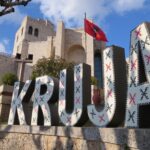
Kruja is a smart first stop because it gives you context fast. The town is tied to Albanian resistance against the Ottomans, and you can feel that theme the moment you arrive. Kruja sits about 560 meters up on rocky mountainous terrain, so the views are already working in your favor before you even start walking.
In the Medieval Old Bazaar, you’ll wander narrow lanes with wooden houses and old-street energy. This is the place to shop for Albanian souvenirs, from typical items to handmade pieces like carpets and jewelry. If you like buying crafts that feel specific to a place (not generic mass-market stuff), this is a strong start.
Then comes Kruja Castle. It’s positioned on a rocky hill in a way that makes attacks difficult, and the guide’s walk through hidden paths adds a memorable human detail. These were local routes used to leave the castle unnoticed during times of siege—history you can picture rather than just read.
Practical tip: plan for a lot of walking here. Even if you’re not climbing nonstop, you’ll be moving across uneven terrain and viewpoints.
Prizren and Gjakova: mosques, bridges, and artisan culture
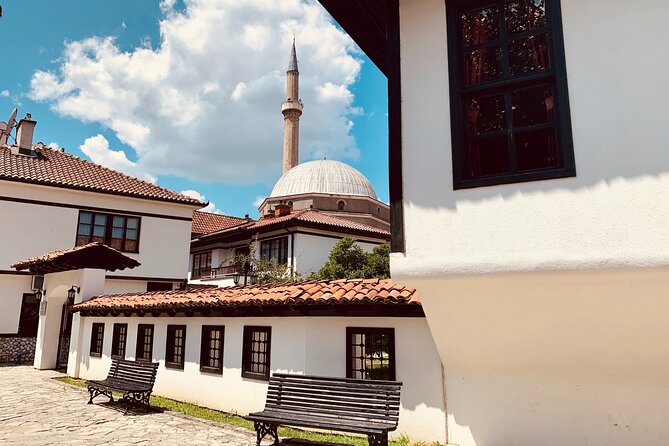
Prizren is often described as a cultural capital of Kosovo, and the tour leans into why. The river runs through the center of the old town and flows under many bridges, so the city feels layered even when you’re just wandering. If you’re going in August, there’s a big short film festival called Dokufest, which can add extra energy to the medieval lanes.
One of my favorite kinds of moments on tours like this is when a place feels lived-in rather than staged. Prizren fits that: you’ll pass elegant medieval houses and notice artisanal work tied to precious metals. The filigree craft tradition is a real point of pride here, so it’s the kind of stop where browsing can turn into learning.
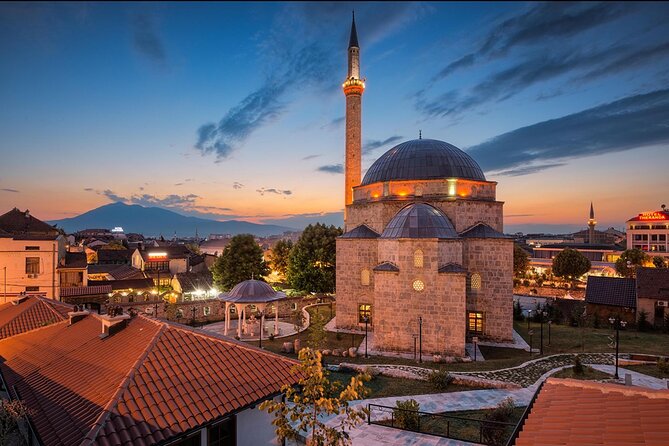
You’ll also visit the Sinan Pasha Mosque for its arabesque color and pattern work. It’s a short stop, but it’s visually strong and helps you connect the architecture to the region’s Ottoman past.
From there, you head up to the fortress for panorama views over the city. You’ll get free time in Prizren too, which matters on a route like this. It gives you a chance to soak up the river scene, grab something to eat, and pace yourself.
Gjakova follows next, and it’s a reminder that history includes rebuilding. The bazaar here was destroyed during the Balkan wars and later conflicts, then rebuilt to its older state. Even if you don’t shop, it’s a good place to see how craftsmanship and commerce re-form after disruption.
Deçan Monastery and Rahovec Valley: UNESCO art and wine country
The Deçan Monastery stop is one of those “slow down” days that still moves with the schedule. It stands out for its white color, and what makes it more than a photo stop is that Orthodox monks still live there and make fresh organic food—like cheeses. That living detail gives the visit a grounded feel.
The UNESCO angle comes through its frescoes. They depict life from the 14th century and connect to the Palaeologan renaissance, a shift that changed Byzantine painting style. Even if you’re not a medieval art specialist, you’ll likely appreciate how much narrative is packed into the walls.
Next you head to Rahovec (Rahoveci) and the vineyards around it. Rahovec is described as Kosovo’s viticulture capital, with grape cultivation evidence going back around 2,000 years. Vineyards sit on gentle hills at roughly 350 to 520 meters above sea level, which helps explain why the area is suited to quality wine production. If you’re traveling in September, there’s a wine festival every year—so plan ahead if you care about seasonal food culture.
Practical tip: if you’re a fan of wine regions, you’ll enjoy this part. If you’re not, you can still use it as a scenic reset before the next big border-crossing stretch.
Mrizi i Zanave and Shkodra: slow food and Venetian-era clues
One of the smartest choices in this itinerary is inserting an agro-tourism experience. At Mrizi i Zanave (Restorant Agroturizëm), you tour the farm and hear how it supports jobs for more than 400 people in the surrounding area. You learn how the family business collects, processes, and preserves regional bio fresh local products.
You also get a behind-the-scenes look at how old communist buildings were adapted into storage for local bio goods. That kind of detail matters because it turns a scenic lunch into a story about survival, adaptation, and food systems.
You’ll have free time for a traditional lunch and time to buy fresh produce. On a tour that includes castles and fortresses, that meal break is more than a reward. It’s a chance to refuel without rushing.
Then you head to Shkodra, named for the lake and tied to a long timeline of settlement. The highlight here is Rozafa Castle, with tremendous scenery over the lake and three rivers meeting in the Adriatic Sea. The architecture is heavily influenced by Venetian style, and there’s a neat extra note: many Venetian masks are handmade and produced in Shkodra. Even if you’re not seeing masks on a given day, that fact helps you connect local craft to older trade networks.
Montenegro’s coast: from Sveti Stefan viewpoints to Kotor’s medieval maze
Montenegro gives you coastline energy, but the tour also keeps it practical by starting with a viewpoint near Sveti Stefan. You’ll see the famous fishing-town setting, though the island itself isn’t visitable anymore because it’s been turned into an exclusive residential resort. Still, from the coast, it’s absolutely the kind of sight that earns its place on a route.
Budva comes next, split into old and new parts. New Budva has modern buildings and more commercial energy, while Old Budva is the historical center. You’ll visit highlights like St. Ivan church and the small church of St. Mary, plus the older streets that feel more medieval.
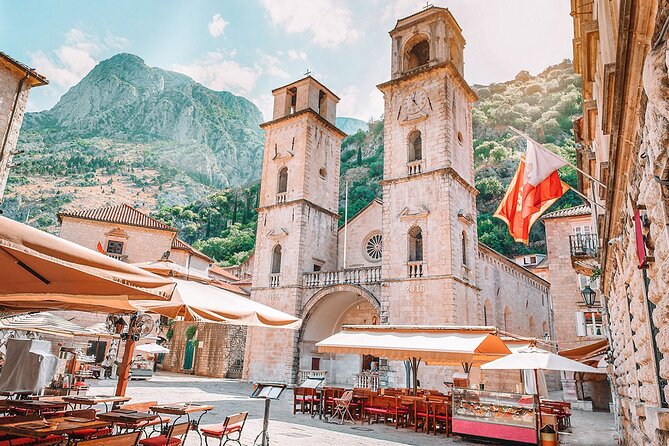
Kotor is the big UNESCO payoff. The old town is a maze of narrow cobblestone streets, and the design intent was defensive—confuse intruders, not impress them. You’ll see plaques on buildings with dates and original uses, which makes it easier to understand what you’re walking past rather than just admiring it.
You’ll visit Saint Luke’s church as well. The tour frames its local significance around unity, which is a helpful lens when you’re seeing places of worship across multiple countries. You’re not just collecting churches. You’re seeing how communities remember and define themselves.
Mostar and Sarajevo: the bridge that people photograph, and the war scars you can’t
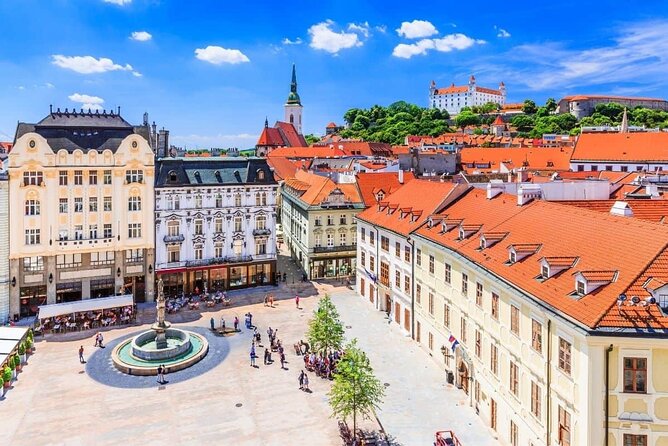
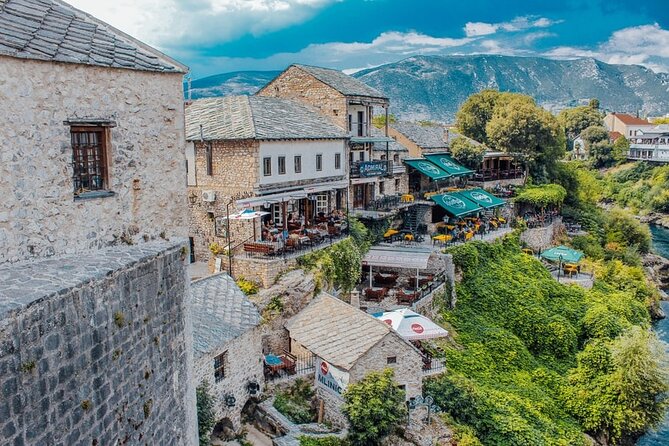
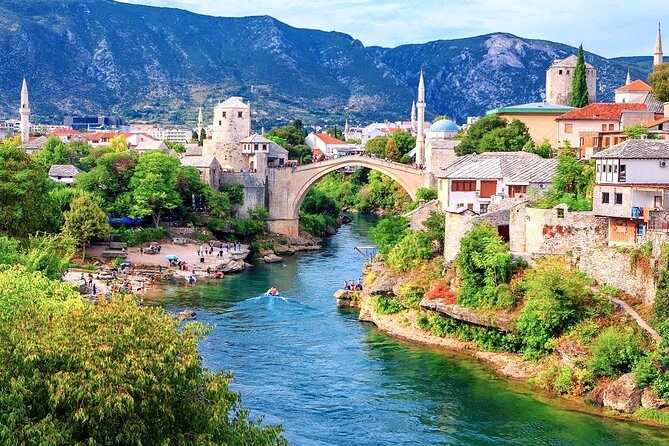
Mostar is where the tour hits a standout visual icon: the Old Bridge (Stari Most). It’s UNESCO-protected and built in typical Islamic architectural style in the 16th century. Even if you’ve seen it in travel photos, there’s a different feeling in person when you’re standing in the old-city flow.
You also walk the Old Bazaar area, where the atmosphere is clearly shaped by the city’s layered past. You’ll notice stones around town marked with don’t forget, which adds a direct reminder of what the city went through. Mostar blends old and new street scenes, so you’ll see people’s day-to-day life alongside historic fabric.
Blagaj comes next, a little outside Mostar. Blagaj tekija sits under a cliff with blue waters in front of it, fed by the spring of the river Buna. This is the kind of place where the architecture and nature feel like they’re working together rather than competing. It’s also a breather after the intense emotions you’re likely carrying from Mostar.
Sarajevo follows, and this is where the tone shifts. You walk uneven terrain and you’ll see ruins and reminders of the Yugoslav War, including bullet holes and cannon marks. The tour covers Sarajevo’s origins and the medieval Bosnian Kingdom, then moves through both Ottoman and Austria-Hungarian parts of the city. That mix is a big reason the city has earned its nickname as a European Jerusalem—markets, bazaars, mosques, churches, and synagogues all appear in the same walking logic.
You’ll also visit the Latin Bridge and hear how WWI was triggered there. The bridge’s name comes from its connection between areas called Latinluk in Ottoman times and the Catholic quarter. It’s a heavy historical thread, but it’s explained through place.
You finish Sarajevo with free time to eat. The tour specifically points you toward the local meat dishes and desserts, which is practical advice when you don’t want to stare at a menu guessing what to order.
Serbia along the Drina and Danube: fortresses, parks, and baroque towns
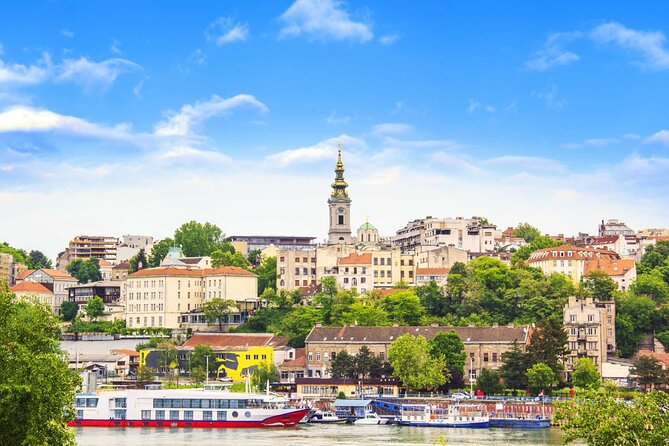
Your first Serbia stop is Zvornik, right along the Drina River. It’s a quieter pause before Belgrade. You’ll have free time to have lunch, try local dishes, or simply walk around the streets at a slower tempo than the big-city stops.
Belgrade is next: the fortress and Kalemegdan Park at the confluence of the Sava and Danube rivers. The view from the fortress gets called breathtaking for a reason. You’ll visit the Upper Town area and the Pobednik monument, with a history dating to 1913. Then you’ll walk down Knez Mihailova, a central pedestrian street that locals use, ending near Republic Square.
The park time matters. Belgrade’s mix of monuments and greenspaces gives your legs a change of pace, and it also makes the next day’s river-city walks easier.
Then you head into the wine-and-barbecue friendly world of Sremski Karlovci and Novi Sad. In Sremski Karlovci, you get a “museum town” feel with a Baroque center and strong stories in streets and buildings. There’s a legend tied to the Four Lions fountain in the city center—drink from it and you’ll return and get married there. Even if you don’t plan to follow the legend literally, it’s a fun way to learn where to stand for the best photos and where locals gather.
In Novi Sad, you get a city tour focused on how the former Austro-Hungarian and Ottoman influence shows in the architecture. The Petrovaradin Fortress is highlighted as the Gibraltar on the Danube, and you’ll walk through pedestrian streets like Zmaj Jovina and Dunavska. You also get overnight time in Novi Sad, which is a real quality-of-life detail. You’re not rushing out the same evening.
Subotica’s City Hall and Budapest’s skyline: architecture lovers will smile
Subotica is your last stop in Serbia, and it’s a smart pivot because it’s more about architecture than one single icon. The city’s historical wealth under the Austro-Hungarian empire shows up in intricate decorations and a multicultural feel. You’ll visit the center where the City Hall is the key focal point rather than a cathedral or a church. That detail helps the city feel different from many other European stops.
You’ll also have time to explore streets and squares and taste local cuisine. The tour notes Subotica has relaxed atmosphere and quality wines, and for many people that’s exactly what you need after border-heavy days.
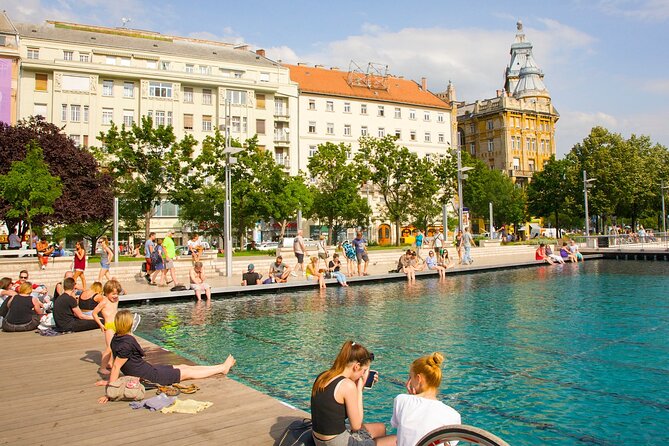
Then it’s on to Budapest, the “Queen of the Danube.” You’ll cover iconic sights on both sides of the city’s Danube split: Saint Stephen’s Basilica, the Opera, Parliament building, Heroes’ Square, and Fisherman’s Bastion for views. You’ll also visit Buda Castle, part of a UNESCO World Heritage site, plus Baroque-style Street.
One of the best-feeling parts of Budapest on a guided itinerary is the free evening. It’s enough time to wander, find a calm dinner, and watch the city shift after the tour groups thin out.
If you like architecture, this is one of your best stretches. You’re not just seeing one style. You’re seeing Baroque, neoclassical, and Art Nouveau mixed across days.
Győr, Bratislava, and the Vienna hotel drop: finish with cleaner pacing
After Budapest, the tour turns toward smaller Central European cities where the stops can feel more personal.
In Győr, the tour highlights baroque architecture and food. You’ll see the Town Hall with its 59-meter tower and green top, open since 1898. There’s also a visit to the Cathedral of the Virgin Mary, built in Roman style in the 11th century. The walk through the area around the Cathedral and the Town Hall sets a strong “day with room to breathe” vibe.
You’ll then head to Győr Synagogue, whose large grey dome can be spotted from far away. The architecture here inspired other synagogues across central Europe, which is a satisfying thread if you’ve been noticing how faith architecture travels through time and influence.
A pedestrian-only street called Baross Gábor Way gets your attention for cafes, shops, bars, and restaurants. The tour even points out blueberry beer, which is the kind of playful local detail that makes a stop feel less generic.
Bratislava follows. You’ll explore the medieval Old Town Hall area, then visit Michael’s Gate, the only preserved medieval fortification gate. You’ll also walk up to Bratislava Castle, built in the 9th century, for hilltop views over the Danube. In the afternoon, you get free time geared toward coffee culture, including traditional coffee shops.
Finally, you arrive in Vienna for the finish. Your tour leader drops you off at your hotel. It’s a clean end to a route that starts in mountain towns and ends in a city that takes its cafés seriously.
What your money buys on this Tirana to Vienna route
At $4,876.33 per person for a roughly 14-day tour, this is not a budget trip. The value comes from the structure: you’re paying for private transportation, a professional tour leader, hotel stays with breakfast in 3-star hotels, and entry tickets for the sites that are part of the plan. You’re also covered for tourist taxes, road taxes, and petrol.
If you break it down day by day, it lands in the mid hundreds per day. That might sound high until you price what it would cost to do the same route on your own: multi-country logistics, border timing, intercity transport, and guided entry tickets that help you avoid wasting time on ticket lines or figuring out meeting points.
The biggest cost gap you should plan for is meals. Lunches, dinners, drinks, and snacks are not included. Souvenirs and personal spending are also on you. Also, because this is an active itinerary with some uneven terrain, you’ll want to factor in comfortable shoes and a bit of flexibility in your energy levels.
Should you book this tour
Book it if you want a well-structured sampler of the Balkans plus Central Europe, with guided time in places that many people only ever see from a distance. This works best for history and architecture lovers, and for you if you like mixing big UNESCO moments with smaller craft and food stops.
Skip it (or at least think hard) if you want slow travel or you need lots of downtime. The itinerary is dense, border-heavy, and you’ll do plenty of walking. It’s also a guided route built around seeing many towns rather than lingering deeply in just one.
If you’re comfortable with that pace and you like the idea of finishing in Vienna with your head full of stories, this is a strong choice.
FAQ
What does the price include?
The tour price includes accommodation and breakfast for all overnights in 3-star hotels, private transportation, a professional tour leader, entry tickets for the sites that are visited, tourist taxes, road taxes, petrol, and hotel pickup in Tirana plus hotel drop-off in Vienna.
What is the group size?
This tour has a maximum of 10 travelers.
Where does the tour start and when?
The start time is 9:00 am, with hotel pickup offered in Tirana.
How long is the tour?
It runs for 14 days (approx.).
Are meals like lunch and dinner included?
No. Lunches, dinners, drinks, and snacks are not included.
What tickets and fees are included versus not included?
Entry tickets for the sites that will be visited are included. Souvenirs and personal spending are not included, and anything not mentioned under Included is not included.
Is there a mobile ticket?
Yes, mobile ticket is listed as a tour feature.
Can most people participate?
Most travelers can participate, but the tour includes walking on uneven terrain during the Sarajevo portion, so comfortable mobility helps.
What is the cancellation policy?
The experience is non-refundable and cannot be changed for any reason. If you cancel, the amount you paid will not be refunded.
If you want, tell me your travel month and what you care about most (UNESCO, food, architecture, or nature), and I’ll suggest how to pace yourself on this exact route.
More Tirana Tours and Albanian Day Trips
More from Our Tirana Review Desk
Not quite it? More Tirana tours and Albanian day trips fresh off our review desk


Tours, compared.
 ★ 5.0Berat city UNESCO tour, the Castle & Belshi lake- From TiranaFrom $12804 reviews
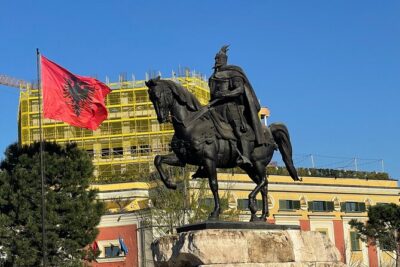 ★ 5.0Walking Tour of TiranaFrom $18646 reviews
 ★ 5.0Hiking Tour to Bovilla Lake & Gamti MountainFrom $12358 reviews
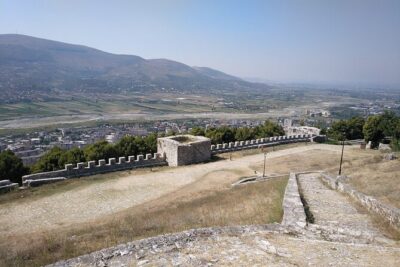 ★ 4.5Berat-Durres and Belsh Lake, day tour from TiranaFrom $22274 reviews
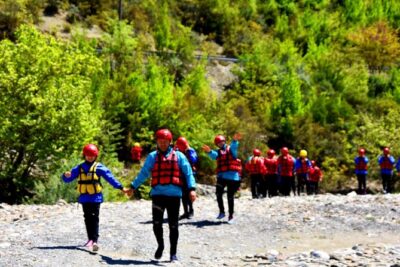 ★ 4.5Berat Tour Osumi Canyons Exploration Lunch TransferFrom $47212 reviews
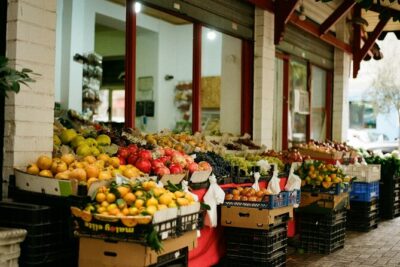 ★ 5.0Local food experience & walking tour of TiranaFrom $60192 reviews
 ★ 5.0Tour a Piedi di TiranaFrom $20174 reviews
 ★ 5.0Semi-Private Tour of North Macedonia: Ohrid & Struga from TiranaFrom $262170 reviews