
Reviewed · BERAT UNESCO DAY TRIPS
Apollonia and Berat UNESCO tour from Tirana
Two UNESCO sites in one day. You’ll get Greek and Roman Apollonia plus Berat’s castle-and-old-town views without stress. The private pickup and guide are the real win here, and the entry fees are covered too. One drawback to consider: lunch isn’t included, so you’ll want a plan for eating during the long day.
This trip works because it’s built around two places that explain each other: Apollonia shows how the region connected to the Greek and Roman worlds, then Berat shows how that same strategic area became a layered Balkan city under Byzantines and Ottomans. If your travel style is “I want the important bits explained fast,” guides like Jack and Manon are the kind of team that keeps communication clear before you go.
In This Review
- Key highlights to know before you go
- A smart pairing: Apollonia’s ancient routes and Berat’s fortress city
- Getting from Tirana to UNESCO without the logistics headache
- Apollonia Archaeological Park: from Greek city to Roman trade power
- Berat Castle (Kala): the 13th-century fortress and the lived-in walls
- Onufri Iconographic Museum: religious painting with a clear context
- Mangalem and Gorica quarters: the thousand windows effect
- Price and value: is $134.97 fair for a private UNESCO day?
- How the timing works in real life (and how to prepare)
- Who this tour suits best (and who might want something else)
- Should you book this UNESCO Apollonia and Berat tour?
- FAQ
- What time does the Apollonia and Berat UNESCO tour start?
- How long is the tour?
- Is hotel pickup and drop-off included?
- Are entrance fees included?
- Is lunch included?
- Is this a private tour?
- Do I get a mobile ticket?
- Can I cancel for a full refund?
- Are service animals allowed?
Key highlights to know before you go
- Private transport with hotel pickup and drop-off in Tirana means you don’t waste time self-driving or hunting buses.
- Apollonia Archaeological Park with a guide turns scattered ruins into a story you can actually follow.
- Berat Castle (Kala) views give you the big-picture feel of why this fortress matters.
- Onufri Iconographic Museum inside the castle church connects religious art to the monasteries it came from.
- Mangalem and Gorica quarters are perfect for slow wandering and photos of the white Ottoman-style homes.
- $134.97 with entry fees included is strong value if you’d otherwise pay multiple tickets and hire a driver.
A smart pairing: Apollonia’s ancient routes and Berat’s fortress city
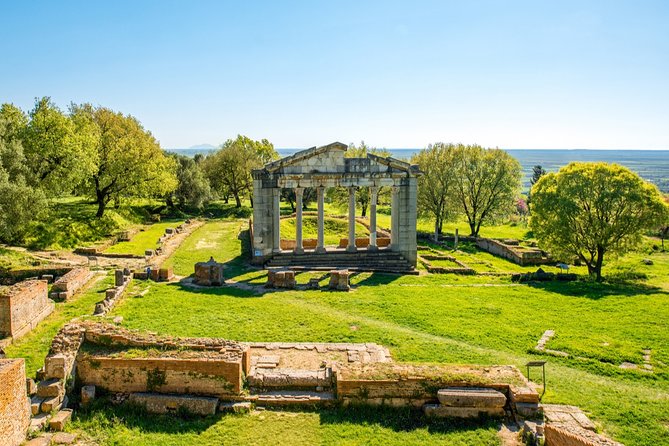
I like how this day trip links two UNESCO sites that share a theme: movement of people, ideas, and power across the Balkans. Apollonia was positioned to matter—founded by Greek colonists and later thriving under Rome. Berat, perched high on its hill, later became a place where different cultures had to coexist on the same ground.
You’ll also appreciate the pacing. This isn’t a “see everything from the car” tour. You get actual walk time at Apollonia, then time on the walls at Berat Castle, then a slower neighborhood pass afterward in Mangalem and Gorica. That rhythm matters because these sites are best when you can look around, not just pass through.
More Berat runs up to the thousand-window quarter we have made from Tirana
Getting from Tirana to UNESCO without the logistics headache
The tour starts at 8:30 am and runs about 10 hours. You’ll ride in a private air-conditioned vehicle with pickup and drop-off in Tirana, which is the kind of detail that saves energy. Albania can be wonderfully scenic, but a day like this is easier when you’re not also doing navigation.
The “private” part also changes the feel. This is not a crowded bus day. Only your group goes along, and that usually means you can ask small questions, pause for photos, and move at a steady pace.
Tip for your comfort: because you’re spending time on historic outdoor areas, wear shoes you trust. Even if it’s not a long hike, castle streets and archaeological ground can be uneven.
Apollonia Archaeological Park: from Greek city to Roman trade power
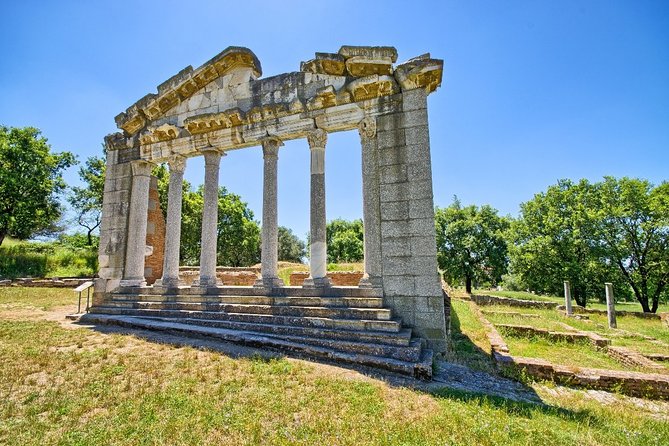
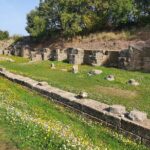
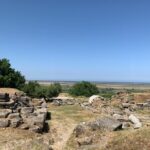
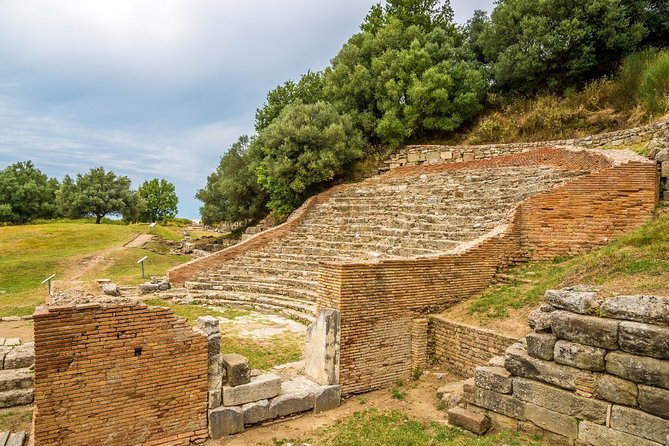
Apollonia Archaeological Park is where the day earns its UNESCO badge. The ruins sit in the center of Albania, but the story stretches across the Mediterranean.
Here’s the big timeline you’ll hear from your guide:
- The city was founded in 588 BC by Greek colonists from Corfu and Corinth.
- It gained real momentum during the Roman period.
- In the 4th century AD, Apollonia was an important economic city and trade center.
- It was known for a school of philosophy, and Cicero called Apollonia a great and important city.
- Apollonia also functioned as a gateway to the Via Egnatia, the Roman trade route through the Balkans.
I love that the guide doesn’t treat this as dates on a wall. Apollonia becomes understandable because you connect the “why” (trade routes and cultural prestige) to the “what” (the physical layout and surviving structures). When you can see how people would have moved—between roads, markets, and civic life—the ruins stop feeling like random stones.
What you’ll do in practice
You’ll spend about 2 hours here, with the admission fee included. Expect a guided walk through the main areas, with time to look carefully at what remains and get the story behind it.
A practical note: Apollonia is outdoors. If the day is hot, keep an eye on water and sun protection. No lunch is included later, so you’ll probably want to snack lightly during transitions as needed.
Berat Castle (Kala): the 13th-century fortress and the lived-in walls
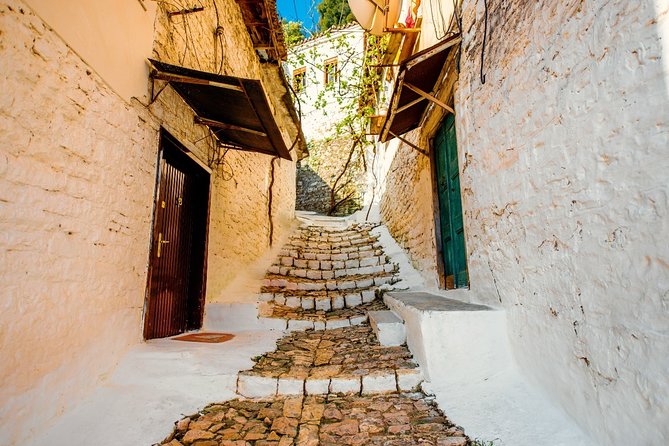
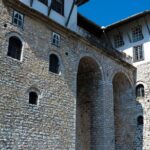
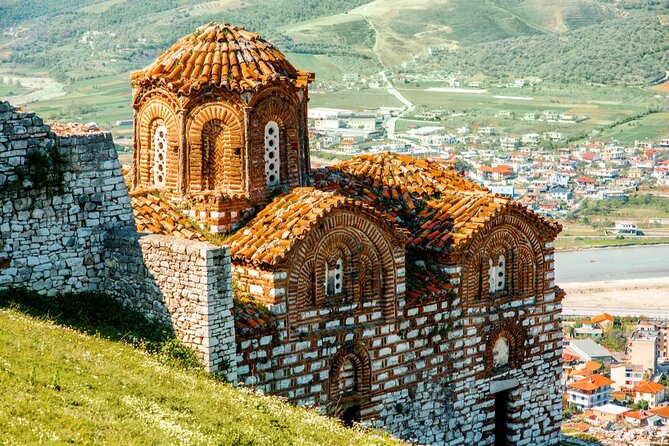
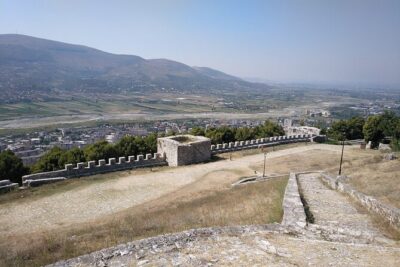
Then you’ll shift from ancient archaeology to a living-feeling fortress town. Berat Castle is the huge hilltop structure called Kala. From the top, you get wide views in all directions—town below, river lines in the distance, and a sense of how this place controlled movement.
This stop is about 1 hour, including the castle admission. Inside the walls you’ll find a village-like neighborhood, and that’s not just an idea—it’s a real part of the castle layout. Some residents still live within the castle walls, which gives the place a grounded, everyday energy even though it’s surrounded by heavy history.
Key details you’ll hear:
- The castle dates back to the 13th century.
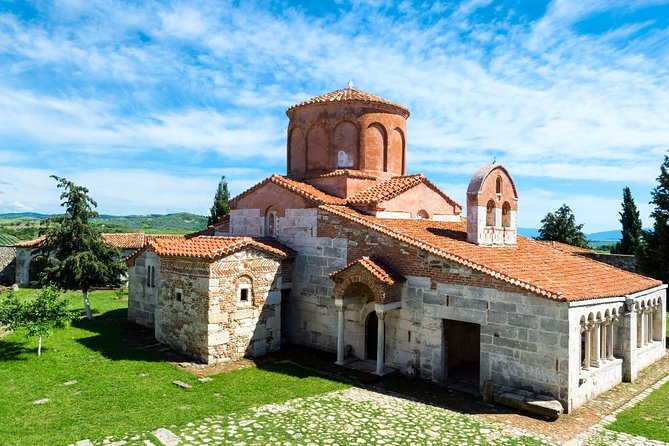
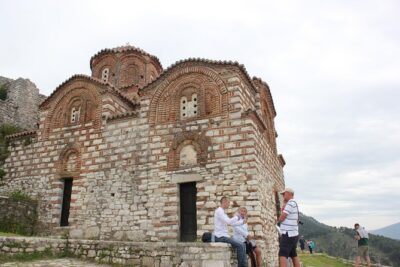
- You’ll see Byzantine churches within the walls.
- There’s also an Ottoman mosque in the same fortified setting.
I really like how this mix shows up at Berat. You don’t need to guess how different empires left fingerprints—your guide points to the evidence in plain sight. The fortress isn’t only about military power; it’s also about how communities adapted over time.
The view check
You’ll want to pause at a few viewpoints. This isn’t a “rush to the next stop” kind of place. Berat’s best trick is that the city is beautiful from above, and your brain starts mapping the neighborhoods below once you’re up on the walls.
Onufri Iconographic Museum: religious painting with a clear context
Inside Berat Castle, the National Iconographic Museum Onufri takes about 30 minutes. This is one of those stops that can either feel like a quick “check it off” moment or become a memorable part of the day, depending on how it’s explained.
Here’s what makes it work:
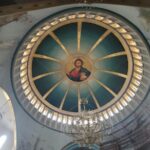
- The museum holds religious painting from several Albanian monasteries.
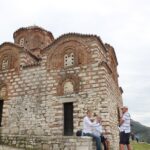
- It’s located within the castle walls in the largest church on the premises: the Church of the Dormition of St. Mary.
- It’s named after Onufri, tied to the icon and fresco tradition.
If you like religious art, you’ll probably enjoy how the museum connects the images to their origins rather than treating them as isolated works. And even if you’re not a museum person, the setting helps. You’re not staring at paintings in a random building—you’re in a historic church space, in the middle of a fortress complex.
If you’re short on stamina, this is a good “rest and refocus” stop. It’s shorter than the outdoor sites, and it gives your feet a break.
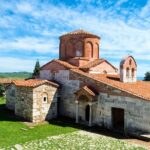
More Apollonia and ancient Illyrian sites we have walked from Tirana

Mangalem and Gorica quarters: the thousand windows effect
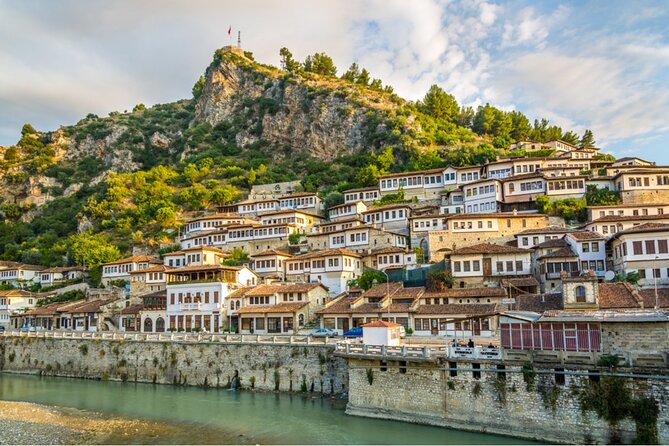
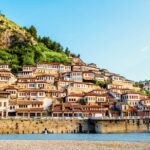
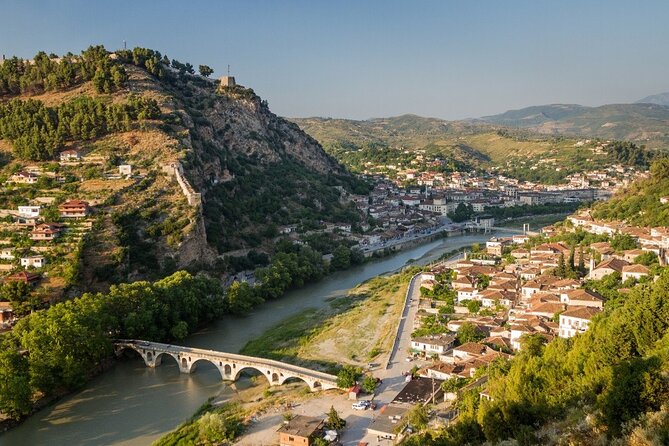
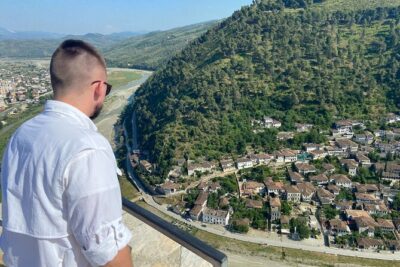
After the castle, you’ll move to Mangalem and Gorica, the traditional neighborhoods built along the side of the hill. This is where Berat goes from fortress to postcard.
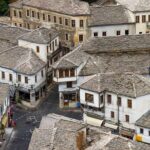
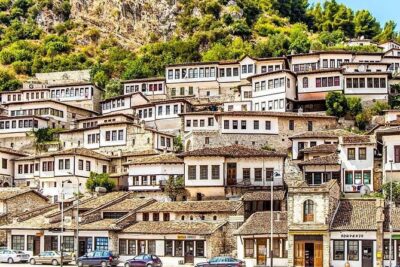
You’ll see hundreds of small white Ottoman-style houses. From below, they look stacked, which is why Berat is often called the city of a thousand windows. The tour info also points out an Italian atmosphere, and I get why people say that: the architecture and hill-town feel create a Mediterranean vibe even though the Ottoman imprint is obvious in the neighborhood design.
This stop is about 2 hours, and admission is listed as free. That free part matters. It means you can slow down, browse a bit, and take your time with photos without feeling like you’re paying again at every corner.
How to use this time
I suggest treating this as your “unhurried” segment of the day. If you’re buying souvenirs, this is the moment. If you want to step away from the main viewing points to catch quieter streets, this is where you can do it.
Also, since lunch isn’t included, this long afternoon stretch is often where you’ll decide when to eat. I’d rather plan earlier than scramble later.
Price and value: is $134.97 fair for a private UNESCO day?
At $134.97 per person, this tour can feel like a steal or a splurge depending on what you’d do on your own. Here’s how I think about value:
What you’re getting for the price:
- Private transportation with A/C
- Hotel pickup and drop-off in Tirana
- Private tour guide for Apollonia and Berat
- Entrance fees included for Apollonia, the Onufri Museum, and Berat Castle
What you’re not getting:
- Lunch and dinner
For a private day that covers two UNESCO sites plus museum time, the included entrance fees and guide time do a lot to justify the cost. If you’d otherwise rent a car (with fuel, parking, and navigation stress) or cobble together multiple transport segments, paying this for a structured day is often the easier choice.
One more thing: tours like this can be booked well ahead (this one is commonly reserved about 100 days in advance on average). If you’re traveling in peak season, I’d lock in early so you don’t end up piecing together an awkward plan.
How the timing works in real life (and how to prepare)
The day starts at 8:30 am and runs about 10 hours. That’s long enough that you should prepare for comfort, especially if you’re traveling from a hotel without a lot of nearby breakfast options.
Pack what you’ll actually use:
- Comfortable shoes for archaeological ground and castle areas
- Sun protection, since you’ll spend time outdoors
- A small snack if you’re sensitive to long gaps, since lunch isn’t included
You’ll have free time for souvenir shopping in Berat, which is great. Just remember it’s a schedule-based day, so if you want a long sit-down meal, you’ll need to pick the moment carefully.
Who this tour suits best (and who might want something else)
This is a strong fit if you want:
- A guided story for Apollonia and Berat, not just photos and a map
- Private transport so you can focus on the sites
- A day that combines ancient Greece/Rome and Ottoman/Byzantine-era influence in one arc
It’s also ideal for couples and small groups who like a steady pace. The private format keeps it calmer than bus tours.
Who might hesitate:
- If you’re the type who wants a slow, flexible day with extra meals and lots of wandering beyond set stops, the “10 hours” structure may feel tight—especially since lunch isn’t included.
Should you book this UNESCO Apollonia and Berat tour?
I’d book it if you want a well-paced UNESCO day with hotel pickup, guide-led explanations, and entrance fees taken care of. Apollonia gives you the big ancient context, Berat gives you the fortress and artistic layers, and the Mangalem/Gorica neighborhoods let you land the day with views and atmosphere.
Skip it (or consider a different format) if you’re hoping for a relaxed day with fewer scheduled stops and a built-in lunch. The tour is built for seeing a lot without the logistics work. That’s great—just go in knowing meals are on you.
If your goal is to understand Albania’s historical layers in one clean day, this is a practical way to do it.
FAQ
What time does the Apollonia and Berat UNESCO tour start?
It starts at 8:30 am.
How long is the tour?
The duration is about 10 hours.
Is hotel pickup and drop-off included?
Yes. You get hotel pick-up and drop-off in Tirana.
Are entrance fees included?
Yes. Entrance fees are included for Apollonia Archaeological Park, the Onufri Iconographic Museum, and the Berat Castle.
Is lunch included?
No. Lunch and dinner are not included.
Is this a private tour?
Yes. It’s private, meaning only your group participates.
Do I get a mobile ticket?
Yes. The tour offers a mobile ticket.
Can I cancel for a full refund?
Yes. You can cancel for a full refund if you cancel at least 24 hours in advance of the experience start time.
Are service animals allowed?
Yes. Service animals are allowed.
More from Our Tirana Review Desk


More Apollonia and Ancient Illyrian Sites

More Berat UNESCO Day Trips
Not quite it? More Tirana tours and Albanian day trips fresh off our review desk






Berat UNESCO Day Trips, compared.
 ★ 5.0Berat city UNESCO tour, the Castle & Belshi lake- From TiranaFrom $12804 reviews
 ★ 4.5Berat-Durres and Belsh Lake, day tour from TiranaFrom $22274 reviews
 ★ 4.5Berat Tour Osumi Canyons Exploration Lunch TransferFrom $47212 reviews
 ★ 5.0Berat Osum Canyon & Bogove Waterfall TourFrom $70130 reviews
 ★ 5.0Berat Cooking Class- Traditional Albanian Cooking Class /By VatoFrom $41120 reviews
 ★ 5.0Berat UNESCO & Belshi Lake Full-Day TourFrom $12118 reviews
 ★ 5.0Berat Walking TourFrom $1886 reviews
 ★ 5.0From Tirana; Semi – Private Day Trip to Berat & Belsh LakeFrom $16863 reviews
Browse the lists this tour appears in