
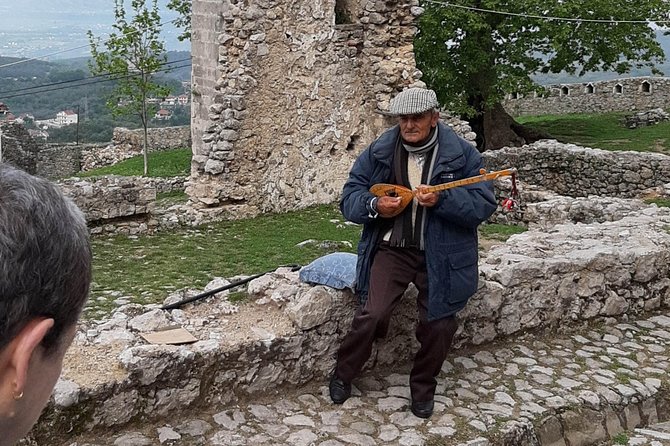
Reviewed · KRUJA CASTLE & OLD BAZAAR
Day-trip Shkoder – Lezhe – Kruje
Castle views beat the drive. This is one long, well-paced day from Tirana that strings together Rozafa Castle, Skanderbeg’s story, and the hilltop world of Kruja.
I really like the trade-off here: you get major sights with included admissions, plus big scenic payoff—especially the 360-degree look-out from Rozafa over the Buna and Drin rivers and Lake Shkoder. I also like how Kruja isn’t just a viewpoint stop; you spend real time inside the Skanderbeg Museum and an ethnographic museum before you get bazaar time.
One caution: the experience is offered in English, and while many guides do a great job, language matching isn’t guaranteed. In one case, someone who expected Spanish ended up with an English guide, so if language matters to you, check carefully.
In This Review
- Key highlights to know before you go
- Why Shkoder, Lezhe, and Kruja makes a smart 1-day loop
- Getting there from Tirana: pickup, comfort, and pacing
- Rozafa Castle: Illyrians, 360-degree views, and why the stop is worth the time
- Gjuhadol pedestrian walk and the Marubi Museum option
- Lezhe and the Skanderbeg mausoleum at Saint Nicholas Church
- Kruja Castle and museums: Skanderbeg plus the ethnographic collection
- Kruja Bazaar time: shopping for crafts without losing the vibe
- Guide style and the real language factor (Endri and Jetmir get mentioned)
- Price and value: what $90.11 really buys you
- How long you’ll be out (and how to handle the day)
- Who this tour suits best (and who might want a different plan)
- Should you book this Shkoder–Lezhe–Kruja day trip?
- FAQ
- How long is the Shkoder–Lezhe–Kruja day trip?
- What does the price include?
- Is lunch included?
- Do you offer pickup from Tirana?
- What language is the tour offered in?
- Is the Marubi Museum included?
- What group size should I expect?
- Is free cancellation available?
Key highlights to know before you go
- Rozafa Castle’s 360-degree panorama over Lake Shkoder and the Buna and Drin rivers
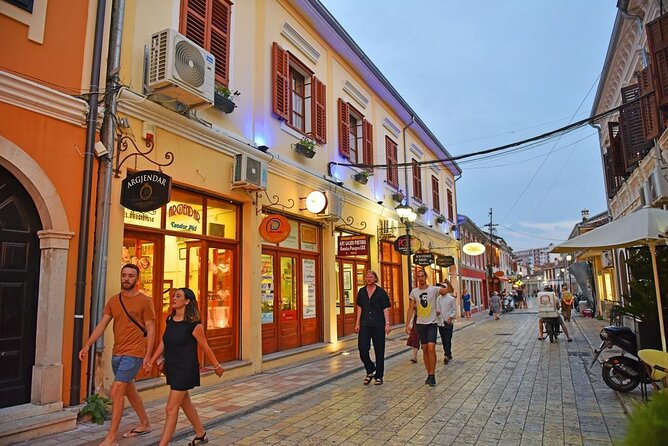
- Italian and Austrian architectural vibes in Gjuhadol, plus an easy walk to Marubi Museum if you want
- Skanderbeg’s mausoleum in Saint Nicholas Church in Lezhe
- Kruja’s Ottoman resistance story told through the Skanderbeg Museum and related sites
- Ethnographic museum with original end-of-19th-century items, not just a quick exhibit
- Bazaar time for traditional handicrafts and practical souvenir shopping
Why Shkoder, Lezhe, and Kruja makes a smart 1-day loop
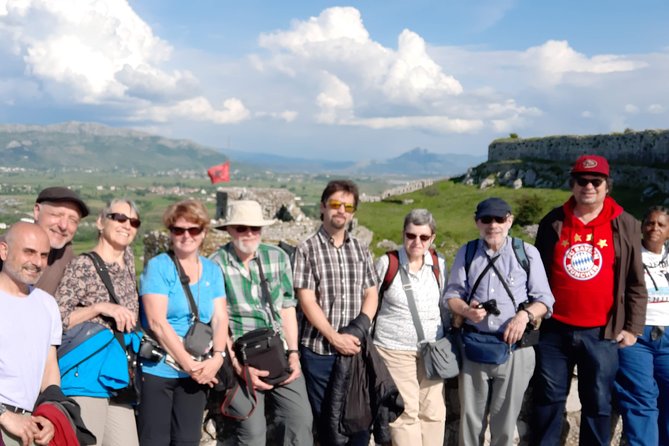
This day trip works because the three places connect like chapters in the same book. You start in Shkoder with Illyrian-era power at Rozafa Castle, then you pivot to the national hero trail in Lezhe, and you finish in Kruja where Skanderbeg’s resistance is front and center.
You’re also covering a lot of geography without having to drive yourself. The route gives you variety—views from a fortress, a walking zone with European architectural influences, and then museum-heavy time in a historic town—so the day doesn’t feel like one long museum line. It’s more like a curated circuit.
More Kruja castle and old-bazaar trips we have wandered from Tirana
Getting there from Tirana: pickup, comfort, and pacing
The trip is built around an all-day vehicle ride from Tirana, with air-conditioned comfort. That matters in practice because you’re out for roughly 7 to 9 hours, so you want the in-between time to be restful, not stressful.
Pickup is offered, which is one of those small perks that makes a big difference—especially if you don’t want to manage timing on your own. The group size is capped at 45 people, so you should still have a workable group dynamic even when it’s busy.
One small planning note: this is often booked about a month ahead (around 35 days). If you want a spot during popular periods, don’t wait until the last minute.
Rozafa Castle: Illyrians, 360-degree views, and why the stop is worth the time
Rozafa is the kind of place where the effort pays off fast. You head from Tirana toward Shkoder, then spend about 1 hour at Rozafa Castle with admission included.
The big reason to prioritize this stop is the viewpoint. You get a 360-degree view across the valley—specifically over the Buna and Drin rivers, Lake Shkoder, and the surrounding mountains. Even if you’re not a “castle person,” the views give you quick context for why this region mattered in different eras.
Historically, Rozafa connects you to the Illyrians. Shkoder (Shkodra) is noted as the only Illyrian capital mentioned for the 3rd to 2nd centuries B.C. The castle setting also helps you understand the feeling of dominance—standing high over enemies and routes below. You don’t have to memorize dates; the physical scale of the place does the teaching.
Practical tip: plan for some walking and stairs typical of castle access. Nothing is described as extreme, but you’ll be moving around a fortress site with open viewpoints.
Gjuhadol pedestrian walk and the Marubi Museum option
After Rozafa, you shift gears into Shkoder’s modern pedestrian area: Gjuhadol, newly renovated, with Italian and Austrian architectural influences. The stop is about 1 hour, and the pedestrian area portion is included with admission listed as free.
This section is valuable because it’s not all monumental history. It’s the “living city” piece, where you can see how historic connections still show up in street-level design. It’s also a nice break after the castle—more stroll, less climbing.
There’s an optional add-on that’s worth considering: Marubi Museum. If you choose to go, you’ll connect to photography history. The museum is tied to the master photographer active in the late 19th century, and it’s described as holding 500,000 glass negatives. You’ll also hear the famous milestone that the Marubi team produced the first photograph in the Balkans in 1856.
Two ways to decide:
- If you like photography or want something different from castles and mausoleums, pick Marubi.
- If your legs are already tired, you can still enjoy Gjuhadol’s walk without it.
Lezhe and the Skanderbeg mausoleum at Saint Nicholas Church
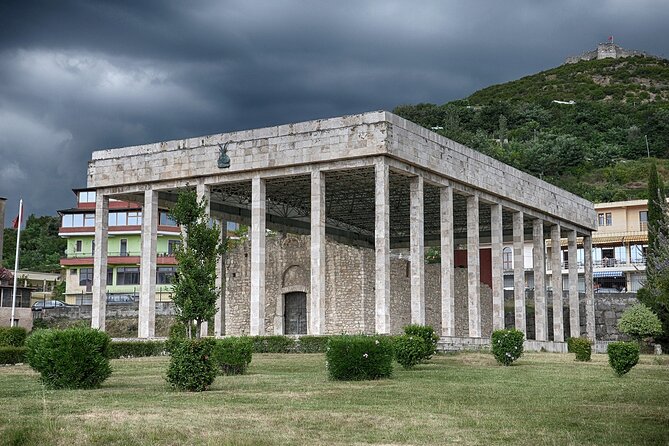
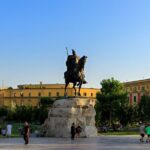
Lezhe is where the national story gets personal and specific. The stop centers on the mausoleum of Skanderbeg, Albania’s national hero, located inside the church of Saint Nicholas.
This is a meaningful transition from broad regional history into focused national identity. Skanderbeg’s name anchors the rest of the day, because you’ll see how his legacy is carried into Kruja just afterward.
Even if you’re not a biography reader, I like this kind of stop: one place, clear reference point, and it gives you a stronger frame for what you’ll see next. You can connect the hero to the places rather than collecting disconnected facts.
More Shkoder and Lake Skadar days we have driven up to from Tirana
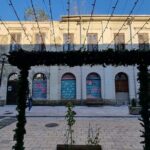
Kruja Castle and museums: Skanderbeg plus the ethnographic collection
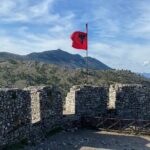
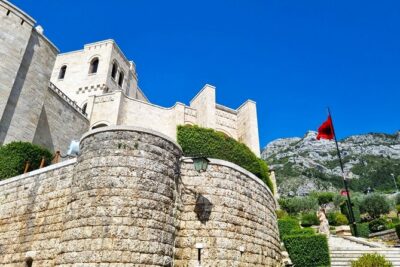
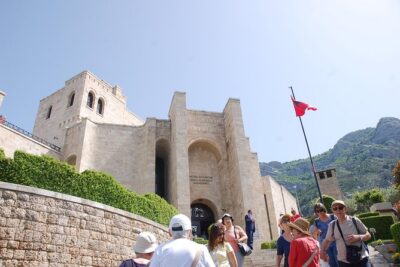
Kruja is where the day turns into a real “history and culture” block. You head to Kruja center and then get time for about 3 hours at the castle area and surrounding key sites, with admission included.
The story focuses on Albanian resistance against the Ottomans under Skanderbeg for 25 years, which is why he earned the title Athleta Christi, awarded by the Pope of the time. That’s a dramatic claim, and Kruja is one of the places where it makes more sense because the setting and museum materials reinforce it.
You’ll visit the Skanderbeg Museum, which is the core of the narrative. And then you’ll also spend time in a rich ethnographic museum where the items are described as original from the end of the 19th century. I like that pairing because it doesn’t stop at battles. It gestures toward everyday culture and how people lived and made things long before modern tourism turned it into a souvenir script.
What to watch for: museum time can feel dense if you try to absorb everything at once. I suggest you treat this as two missions:
1) Get the Skanderbeg story so Kruja’s locations click.
2) Let the ethnographic collection give you a slower, more human sense of the era.
Kruja Bazaar time: shopping for crafts without losing the vibe
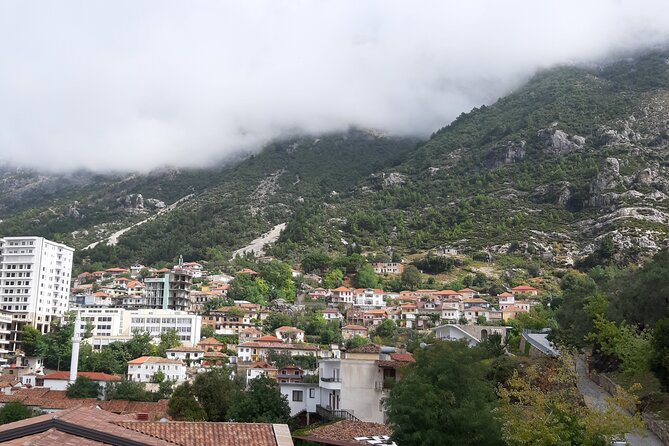
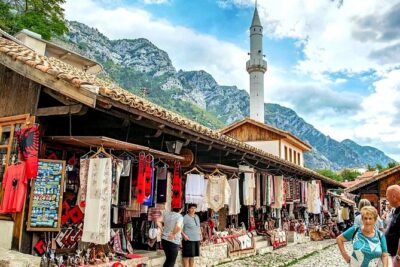
After the museum stops, you go through Kruja’s famous Bazaar. This is one of those parts of the day that can make or break your enjoyment, because it’s where you decide whether the trip stays memorable—or just becomes a photo spree.
You’re there for traditional handicrafts and souvenirs. Since the market is built around that, you can browse for items that actually look local rather than generic tourist goods.
Practical shopping approach:
- Set your budget before you walk in.
- Pick one or two categories you truly want (textiles, small crafts, locally themed souvenirs).
- If you’re tired, don’t force big bargaining sessions. Just compare prices quickly and buy with confidence.
If you’re the kind of person who likes to leave with something tangible, this bazaar slot is exactly the kind of included time you’ll appreciate later.
Guide style and the real language factor (Endri and Jetmir get mentioned)
A tour like this lives or dies by the guide’s rhythm: when they explain, what they skip, and how they keep the group together.
In particular, guides named Endri and Jetmir have been highlighted in the experience for being friendly and informative, with careful driving and clear explanations tied to the stops. That kind of guide energy matters on long days, because you want the story to stay coherent even while the vehicle moves you between regions.
Now, the balance point: even though the experience is offered in English, language matching can be an issue. One person reported that Spanish support wasn’t available and they got an English guide instead. So if you’re traveling with specific language needs, don’t assume your language request will be perfectly met—confirm ahead.
Price and value: what $90.11 really buys you
At $90.11 per person, the value depends on what you’d otherwise pay and plan yourself. Here’s what makes the price feel more reasonable than a “just ride and see things” outing:
- You get admission included at major stops like Rozafa Castle and the Kruja site time.
- You also get structured guidance through Shkoder’s Gjuhadol pedestrian area, plus museum options tied to that stop.
- You travel in an air-conditioned vehicle for a full-day loop, and pickup is offered.
The one thing you don’t get is lunch. That’s normal for day tours, but it changes how you budget your day. If you want lunch included in your mental plan, you’ll need to bring snacks or decide on a paid lunch stop along the way.
One helpful tip from someone who loved the experience: they suggested taking the optional lunch at an agro tourism restaurant if it’s offered on your departure. If you see that option available, it can turn the long ride into a calmer break with a more local feel than a rushed meal stop.
How long you’ll be out (and how to handle the day)
Plan for a long day. With 7 to 9 hours on the clock, you’ll want to start hydrated, wear comfortable footwear, and accept that you’ll see a lot more than you can fully “study.”
This kind of itinerary works best when you treat it like an overview that gives you a map of what to return to later. Rozafa gives you the big-view anchor. Lezhe gives you a crisp Skanderbeg reference point. Kruja gives you both museums and culture-time in a historic bazaar setting.
If you’re traveling with limited time in Albania—especially if you’re using Tirana as your base—this is a strong way to get northern culture without the hassle of coordinating multiple independent rides.
Who this tour suits best (and who might want a different plan)
This day trip is a great fit if:
- You want major historical and cultural stops in one day.
- You like guided context, especially for the Skanderbeg narrative.
- You’re okay doing museums and walking, without needing to linger for hours at one site.
It may be less ideal if:
- You need strict language control beyond English. Since the experience is offered in English and language matching isn’t guaranteed, you’ll want to verify what you’ll actually get.
- You prefer totally unstructured travel. This is guided and scheduled, not a free-roam day.
Should you book this Shkoder–Lezhe–Kruja day trip?
I think you should book it if you want a high-value loop that hits the essentials of northern Albania in one shot: Rozafa Castle views, Skanderbeg’s trail in Lezhe, and the museum-and-bazaar experience in Kruja.
I’d hesitate only if language is a deal-breaker for you or if you’re the type who hates long museum time. Otherwise, it’s the kind of tour that makes your day feel efficient without feeling rushed, and it gives you real places—not just quick photo stops.
If you do book, do one smart thing: plan your lunch decision in advance and keep your expectations realistic for a 7-to-9-hour day. You’ll come back with stories, not just snapshots.
FAQ
How long is the Shkoder–Lezhe–Kruja day trip?
It runs about 7 to 9 hours.
What does the price include?
Admission is included for stops like Rozafa Castle and the Kruja Castle area. The tour also includes an air-conditioned vehicle.
Is lunch included?
No. Lunch is not included.
Do you offer pickup from Tirana?
Yes, pickup is offered.
What language is the tour offered in?
The tour is offered in English.
Is the Marubi Museum included?
Marubi Museum is optional at the Gjuhadol stop.
What group size should I expect?
The maximum group size is 45 people.
Is free cancellation available?
Yes. You can cancel up to 24 hours in advance for a full refund, and cancellations may also happen if weather conditions aren’t suitable, with an alternative date or full refund offered.
More from Our Tirana Review Desk
More Shkoder and Lake Skadar Days
More Kruja Castle and Old-Bazaar Trips
Not quite it? More Tirana tours and Albanian day trips fresh off our review desk


Kruja Castle & Old Bazaar, compared.
 ★ 5.0Kruja castle, the old Bazaar & Sarisalltik- Departure from TiranaFrom $24592 reviews
 ★ 5.0Hiking to Gamti, Bovilla Lake and Kruja Day Trip from TiranaFrom $43107 reviews
 ★ 5.0Private Bovilla Lake and Kruja City Day Tour from TiranaFrom $10534 reviews
 ★ 5.0Kruja & Durres; Semi – Private Day Tour from TiranaFrom $14933 reviews
 ★ 4.5Kruja, Old Bazaar, Museum,Sari Saltik tour from TiranaFrom $2433 reviews
 ★ 5.0Guided Tour to Kruja, Holy Mountain & Old Bazaar from DurresFrom $7029 reviews
 ★ 5.0Kruja & Durres | History and Local FoodFrom $18617 reviews
 ★ 5.0Tirana and Kruja Full Day TourFrom $9616 reviews
Browse the lists this tour appears in