
Reviewed · ALBANIAN COOKING CLASSES
Farm-to-Table Cooking Class with Local Family by 1001 AlbAdv
A family dinner-style farm-to-table cooking class beats another food tour in a restaurant. You’ll head from the Berat area toward Drobonik, the region’s famed cherry village, then sit down for a careful run of local tastes.
What I like most is the way the meal teaches you what local ingredients actually taste like, not just how they’re marketed. I also like that this stays small (up to 10 people) and English-friendly, so you get time to ask questions while you eat and sip.
The main thing to consider: the experience depends on good weather, and you’ll be outside for part of it. If the day turns gray, plan for rescheduling.
In This Review
- Key highlights to know before you go
- Farm-to-table cooking class in Tirana area: what makes it feel local
- Price and what you’re really paying for: $72.25 for 3.5 hours
- Getting there smoothly: meeting point, small group, and timing
- Stop by the old bridge: a quick route moment with good photo odds
- Drobonik cherry village: why this stop matters more than it sounds
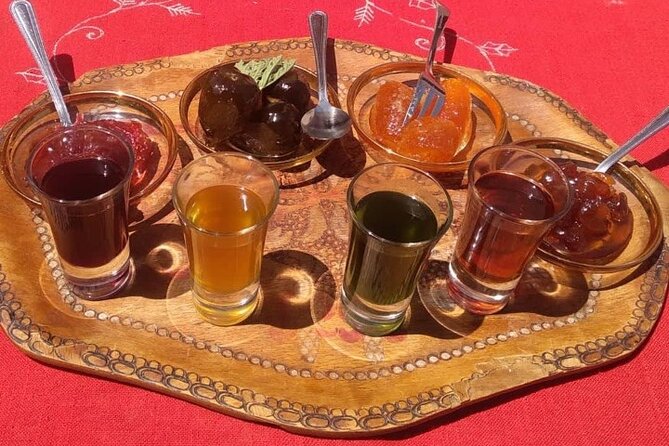
- The meal flow: blush wine, cheeses, olives, bread, and fruit desserts
- Raki and mountain-tea honey: how the pairings balance the sweetness
- What “cooking class” means here (and what you should expect to learn)
- Weather, comfort, and who this fits best
- Practical tips to make your day smoother
- Should you book 1001 Albanian Adventures’ farm-to-table class?
- FAQ
- How much does the farm-to-table cooking class cost?
- How long is the experience?
- Where do I meet for the tour?
- Is the experience offered in English?
- What is the group size limit?
- What’s included in the price?
- Will I get lunch or dinner?
- Is free cancellation available, and what if it’s canceled due to weather?
Key highlights to know before you go
- Drobonik cherry village: a focused stop in the kind of place that grows the flavors you’ll taste.
- Local drinks that match the menu: local blush wine to start, then raki with dessert.
- Fruit dessert that’s more than sweet: preserved fruit can include things like mandarin rind and walnut shell, and yes, it’s meant to be eaten.
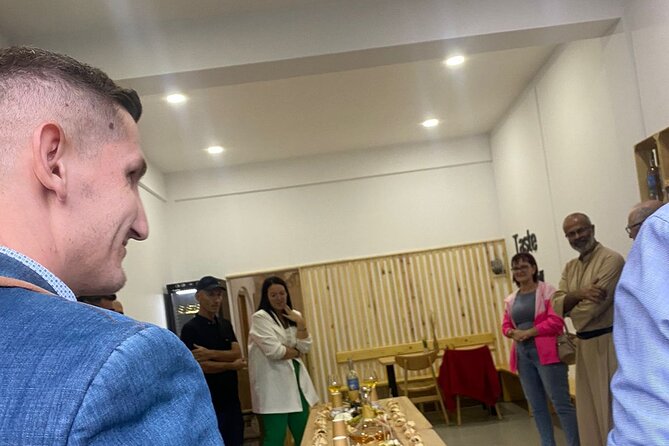
- Hands-on family hospitality: you’re hosted like people, not processed like a group.
- Small-group feel: maximum 10 people, plus private transportation.
- Lunch or dinner included: depending on timing, you’ll be fed as part of the class, not just sampled.
Farm-to-table cooking class in Tirana area: what makes it feel local
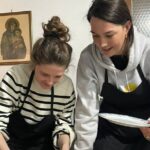
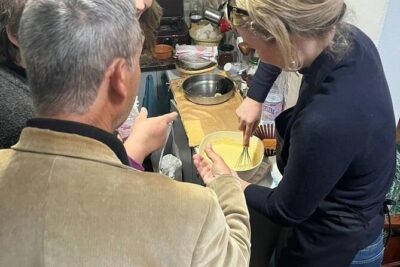
This is the kind of food experience that’s hard to fake. It’s built around a family kitchen and local farm ingredients, not a stage and a script. Instead of turning into a long line of sampling cups, the meal has a real flow, with drinks and courses that feel connected to the region.
I like that it’s practical. You’re not only tasting. You’re learning how local staples become something you’d actually want to eat again. In the Berat region, that’s usually cherries, fruit preserves, dairy basics like cheeses, and olives and bread that don’t need much help.
You’ll also notice the tone is more neighborly than performance. The family hospitality element matters here. When you keep the group small, questions feel normal, and you can actually listen without shouting over music.
More Albanian cooking classes we have rolled dough and byrek at near Tirana
Price and what you’re really paying for: $72.25 for 3.5 hours
At $72.25 per person, this sits in the midrange for a cooking-class style outing. The cost makes more sense once you break down what’s included:
- You get private transportation (so you’re not stuck piecing together buses).
- You get lunch or dinner, plus snacks.
- All fees and taxes are included, so you’re not hit with surprise add-ons at checkout.
- You’re given fresh drinking water (from the tap), which sounds minor until you’re out tasting for hours.
Here’s the value test I’d use if I were booking: if you want a full meal with local pours and a guided pathway into how ingredients work, this price is easier to justify. If you’re only looking for a quick bite and a photo, it might feel long.
Also, it’s capped at 10 people, which often means your meal is less hurried. That’s part of the value, even if no one writes that on the brochure.
Getting there smoothly: meeting point, small group, and timing
This experience starts at Rruga Mihal Komnena 5001, Berat 5001, Albania and ends back at the meeting point. That back-and-forth matters in real life. You avoid the end-of-tour scramble to find transport.
Plan on about 3 hours 30 minutes total (approx.). With a time box like that, the experience stays focused: a route stop, a village stop, and then a full sit-down meal.
A couple more useful details:
- It’s offered in English.
- You’ll use a mobile ticket.
- There’s a hard limit of 10 people, so it doesn’t balloon into something chaotic.
One note for solo travelers: small-group food days are often where it’s easiest to talk to people. Even if you end up eating quietly, you’ll be surrounded by the same food-focused energy.
Stop by the old bridge: a quick route moment with good photo odds
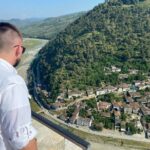
Before the main village segment, you’ll pass by the old bridge of the city. This kind of stop is brief by design, but it’s useful. It gives you a mental anchor for where you are and how the city connects to the surrounding countryside.
What to watch for: timing. If your route includes stops in a moving schedule, the bridge pass is likely a look-and-go moment. So keep your camera ready, and don’t count on long wandering.
If you like context photos—old stone, river angles, that immediate sense of place—this is the kind of quick stop that helps your day feel stitched together.
Drobonik cherry village: why this stop matters more than it sounds
Then you head to Drobonik, described as the region’s characteristic cherry village. This is where the day shifts from “seeing” to “tasting with reason.”
The schedule calls out this as the core block (with around 3 hours here, and no extra admission ticket noted for the stop itself). That usually means you’ll have time to settle, meet the family, and move through the meal sequence at a comfortable pace.
What makes Drobonik valuable for a cooking class is simple: cherries and the regional preserve culture aren’t an accessory here. They’re the backbone of several tastes in the meal. When you’re in the same place where cherries are part of everyday life, the food feels less like a concept.
The potential drawback: because it’s outdoors/village-adjacent, you’ll want to be prepared for basic comfort needs. The experience requires good weather, so if conditions are questionable, you may be rescheduled.



The meal flow: blush wine, cheeses, olives, bread, and fruit desserts
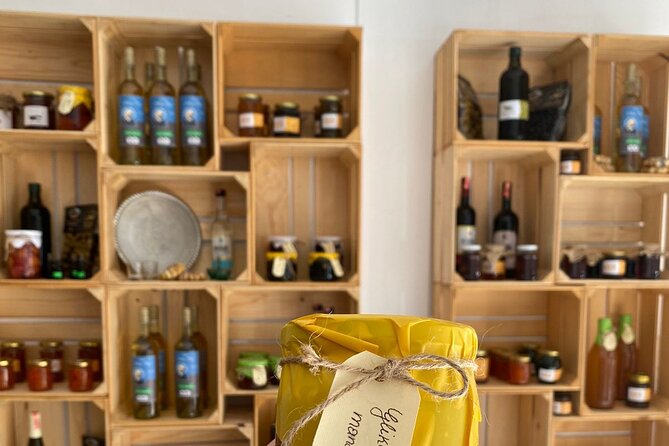
This is the part that people remember, and it’s also the part that makes the class feel like more than a snack stop.
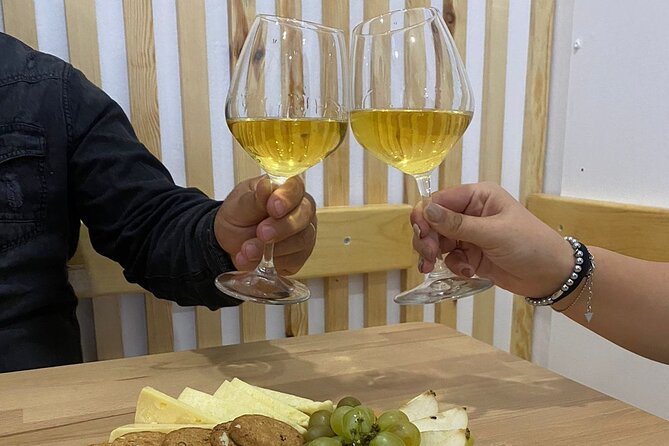
The experience starts with a local blush wine from a vineyard roughly 15 minutes from Berat. That initial pour sets the rhythm: you’re not immediately overloaded with heavy flavors. You start with something fruity and light, then build.
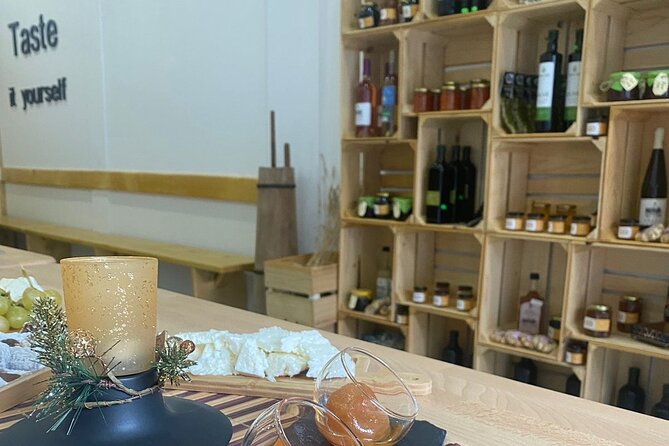
Next comes a spread of classic regional staples:
- Local cheeses
- Olives
- Bread
It’s a straightforward lineup, but that’s the point. These foods give you a baseline. Once you can taste the dairy saltiness and olive bite, you’ll understand why the desserts land the way they do later.
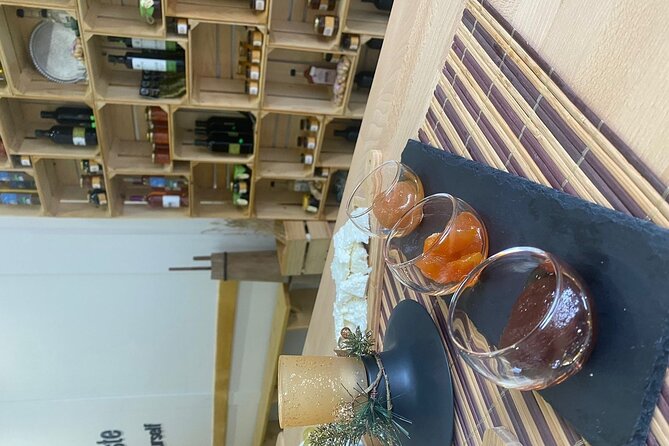
Then the menu moves to fruit dessert. One especially memorable detail: you might choose mandarin, walnut, and cherry. And here’s the unusual part—these preserved fruits can be soaked and stored in sweet syrup, even including parts you might expect to be discarded, like walnut shell and mandarin rind. The important thing is that it’s meant to be eaten, and it can be genuinely good once you accept the local logic of the preserve.
Yes, it’s sweet. That’s why the next pairing matters.
Raki and mountain-tea honey: how the pairings balance the sweetness
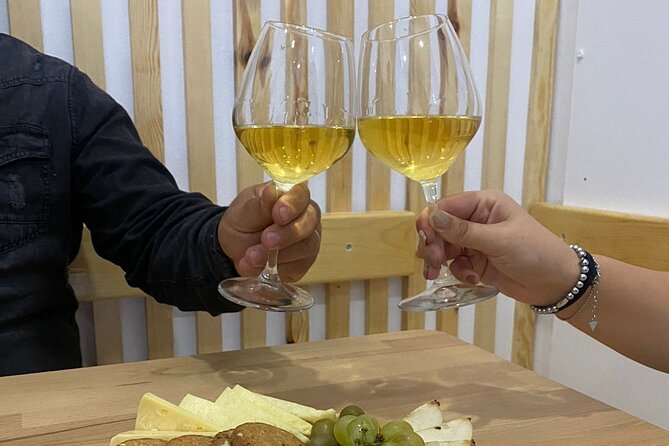
After the fruit dessert, a local raki is paired with the sweet course. The pairing goal is practical: it cuts the sugar with something sharper and warmer.
If you’re the type who usually avoids super-sweet desserts, this pairing may surprise you in a good way. The raki helps you reset your palate so the dessert doesn’t feel like a sugar wall.
Tea and honey come after that. You might choose mountain tea grown locally in the Berat area. It’s described as aromatic and tasty, and it fits the food theme: the drink isn’t just there to fill time. It ties the end of the meal back to local land and local sourcing.
If you want a smooth tasting pace, treat the sequence like a menu:
- start light (blush),
- anchor with savory (cheese/olives/bread),
- go sweet (preserved fruit dessert),
- then sharpen (raki),
- finish with aromatic (tea and honey).
You don’t have to follow it perfectly, but if you do, you’ll probably enjoy the whole progression more.
What “cooking class” means here (and what you should expect to learn)
Even though the day is built around the meal, the farm-to-table concept is still the teaching engine. You’re connecting ingredients to their origin, and you’re seeing how local flavors are combined in a family-style course flow.
Just keep your expectations realistic: based on what’s emphasized in the food sequence, this feels like a cooking-and-tasting experience where the meal is the main lesson. You’ll learn through the tasting and the conversation, not through a lab-like lesson plan.
If your dream is mastering recipes step-by-step, you might want to treat it as a flavor education. You’ll likely leave knowing what the key local ingredients are and how they pair, which is honestly the part most people can use at home.
Weather, comfort, and who this fits best
This experience requires good weather. That doesn’t mean you’ll be trapped in the rain for fun; it means the activity is scheduled with the expectation you’ll be able to do the village portion comfortably. If weather disrupts it, you’re offered another date or a full refund.
So who is it a good match for?
- People who want a real meal included, not just tasting portions.
- Food lovers who like fruit preserves, local cheeses, olives, and regional drinks.
- Solo travelers who want an easy way to meet others around shared food (small group helps).
- Anyone staying in or near the Berat area who wants one focused outing that feels rooted in the countryside.
Who might want to think twice?
- If you’re very sensitive to alcohol flavors, you’ll still be offered non-alcohol moments in the course (tea, honey, savory bites), but the menu does include wine and raki as part of the flow.
- If you only have a short attention span for a 3.5-hour plan, this may feel like a lot.
Practical tips to make your day smoother
A few small things can help you enjoy it more:
- Wear comfortable shoes. Even short village walks can add up when you’re moving between spots.
- Bring a light layer. Weather can shift, and you’ll be outdoors for at least part of the time.
- Come hungry but pace yourself. The dessert course is a big moment, especially with preserves that include unusual edible bits.
- If you’re unsure about the fruit dessert ingredients, ask how it’s served. Local preserve logic can be different from what you’re used to, and a quick explanation saves surprise.
And don’t forget: this ends where you start. That’s nice. You won’t have to track down transportation after the meal.
Should you book 1001 Albanian Adventures’ farm-to-table class?
If you like your food experiences to be tied to a place, this is a strong pick. For the price, you’re getting a full meal (lunch or dinner), private transportation, and a clear local tasting path that includes wine, raki, cherries/fruit preserves, and mountain tea with honey.
Also, with a maximum group size of 10, the experience is built for a more personal feel. That’s where the value shows up.
You should book especially if:
- you want to eat well in about half a day,
- you’re curious about cherry preserve culture and how it tastes with savory and spirits,
- you’d rather spend your time in a small village setting than doing another city stop with a generic buffet.
Hold off if:
- your schedule can’t flex with weather-dependent plans,
- you’re expecting a full “cook every dish with your own hands” type of class (this is more meal-centered than lab-style).
Overall, this one makes sense as a memorable food day in the Berat area—less about flash, more about flavors you can actually name and repeat.
FAQ
How much does the farm-to-table cooking class cost?
It costs $72.25 per person.
How long is the experience?
The experience runs about 3 hours 30 minutes.
Where do I meet for the tour?
The meeting point is Rruga Mihal Komnena 5001, Berat 5001, Albania. The activity ends back at the meeting point.
Is the experience offered in English?
Yes, it is offered in English.
What is the group size limit?
The experience has a maximum of 10 travelers.
What’s included in the price?
The price includes fresh drinking water, lunch or dinner depending on the time of the activity, snacks and local hospitality, all fees and taxes, and private transportation.
Will I get lunch or dinner?
You’ll get lunch or dinner depending on the timing of the activity.
Is free cancellation available, and what if it’s canceled due to weather?
Yes, you can cancel for a full refund up to 24 hours in advance. The experience requires good weather, and if it’s canceled due to poor weather, you’ll be offered a different date or a full refund.
More from Our Tirana Review Desk
More Albanian Cooking Classes
Not quite it? More Tirana tours and Albanian day trips fresh off our review desk



Albanian Cooking Classes, compared.
 ★ 5.0Cooking Classes and Traditional food tasting in TiranaFrom $49282 reviews
 ★ 5.0Traditional Albanian Cooking Class in Tirana with Raki TastingFrom $53125 reviews
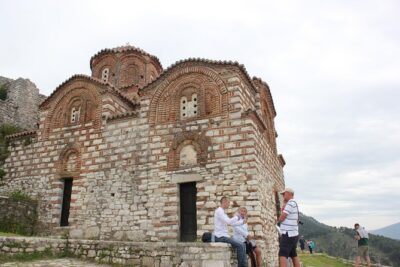 ★ 5.0Berat Cooking Class- Traditional Albanian Cooking Class /By VatoFrom $41120 reviews
 ★ 5.0Savor Albanian Cuisine Cooking Class with Mama Nina Berat CastleFrom $4855 reviews
 ★ 5.0Cooking Class in Berat Slow Food CommunityFrom $6634 reviews
 ★ 5.0Cooking Class & Traditional Albanian DinnerFrom $9015 reviews
 ★ 5.0Berat Cooking Class- Traditional Albanian Cooking ClassFrom $489 reviews
Browse the lists this tour appears in