
Reviewed · BERAT UNESCO DAY TRIPS
Cooking Class in Berat Slow Food Community
Cook your way through Berat’s traditions. This Slow Food cooking class turns Berati home-style dishes into a hands-on, sit-down meal, guided by local people in a real working kitchen. I especially love the hands-on prep—you’re not just watching. You’ll also get bottled water and a comfortable lunch setup that keeps things relaxed.
For me, the best part is the way the chef and host keep the mood fun and welcoming; reviews name hosts like Antela, Saidi, Nazira, and Elma as standout guides. The only real consideration: the experience needs good weather, so plan for the possibility of a change if conditions aren’t right.
In This Review
- Key highlights to know before you go
- Berat Slow Food cooking: where the class actually feels real
- Your cooking menu: 4 Berati recipes, with breaks that keep you in the flow
- Inside the kitchen: why a working setup helps you learn
- Meet the hosts: names you’ll see in reviews, and the vibe they create
- Lunch, water, and the comfort factor that makes it worth your time
- Price and value: how $66.08 stacks up for what you get
- Logistics you can plan around (without losing your day)
- Who should book this cooking class in Berat Slow Food?
- Should you book the Berat Slow Food cooking class?
- FAQ
- How long is the cooking class in Berat?
- Where does the class start and end?
- What language is the class offered in?
- Is lunch included?
- Can I request a vegetarian option?
- Is this private or shared with other groups?
- What happens if the weather is bad?
Key highlights to know before you go
- Working restaurant kitchen feel, not a staged demo
- 4 Berati traditional recipes prepared step by step with breaks
- Included lunch plus bottled water for a no-stress meal
- English offered, with a guide/driver included
- Private group setup, so it feels personal
- Vegetarian option available when you book
Berat Slow Food cooking: where the class actually feels real
This class is set in Berat, focused on the Slow Food community scene around Castle Park’s hotel restaurant. You start at the Castle Park Hotel Restaurant area (the meeting point listed as Hotel & Restaurant Castle Park Slow Food, Rr. Berat-Drobonik, SH74). From there, you get pulled into a kitchen rhythm that feels like everyday cooking—not a performance for tourists.
The “Slow Food” angle matters because it usually means attention to local products and traditional methods, and the reviews back up the emphasis on local and organic ingredients. One person specifically praised a kitchen that felt professional and working, which is exactly what you want when you’re paying to learn. You’ll be cooking with real tools, real workflow, and a real sense of how Berati food comes together.
Also, the format is built for comfort. You’re not stuck sprinting from station to station. You get breaks during the recipe process, which helps you catch up, ask questions, and actually taste what you’re making.
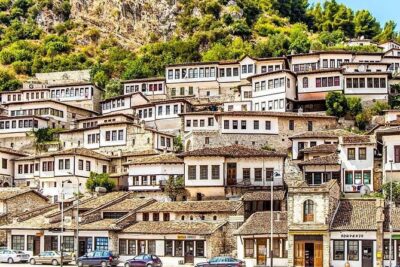
More Berat runs up to the thousand-window quarter we have made from Tirana
Your cooking menu: 4 Berati recipes, with breaks that keep you in the flow
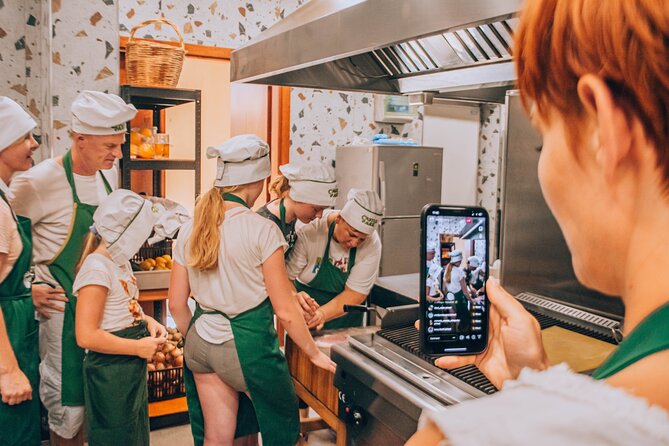
The session is centered on preparing about 4 Berati traditional recipes as a group. Instead of doing one dish and calling it a day, you get more variety and more technique. That’s valuable because Berati cuisine isn’t just one flavor—your learning will cover multiple styles and steps.
The flow goes like this:
- You’ll be welcomed at the hotel restaurant to get started.
- You’ll begin preparing the recipes together as a group.
- Between each recipe stage, you’ll take a break in the middle of the process.
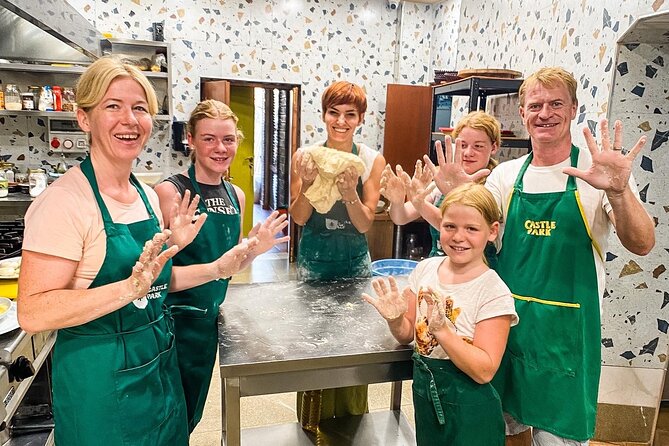
That “middle break” is small but important. When you cook, you need a moment to pause, reset, and reflect on what changed: the texture, the seasoning balance, how the heat affected timing. Breaks also help families a lot, and at least one review highlighted how the chef included kids smoothly. If you’re cooking with children, this pacing can make or break the day.
Even the time window matters. The class runs about 3 to 5 hours, and the most common expectation you’ll see is around 3 hours for the core cooking sequence. So if you’re planning a day around it, treat it as a solid half-day commitment.
Inside the kitchen: why a working setup helps you learn
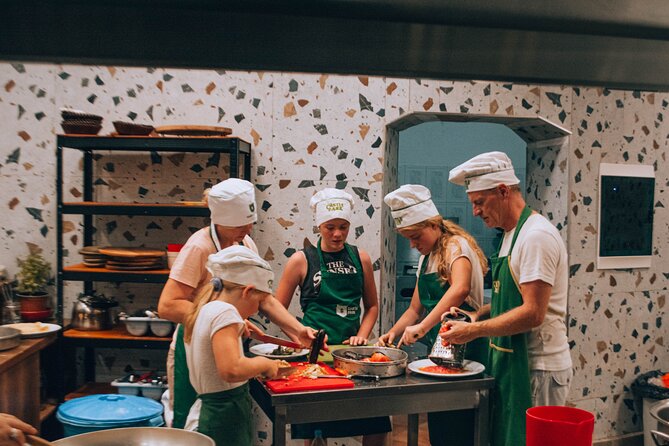
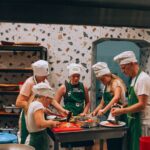
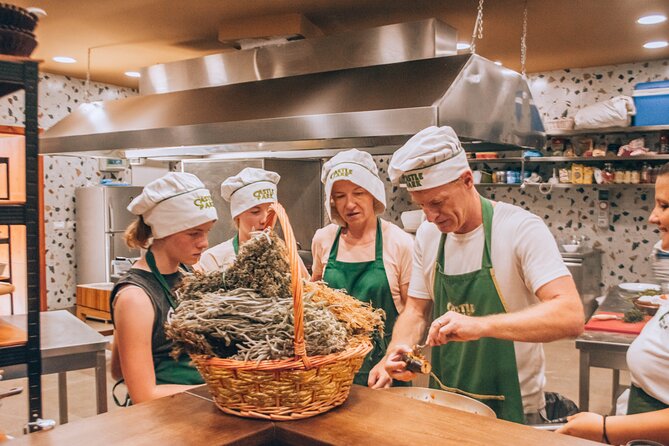
A big part of why this class earns such strong scores is the kitchen environment. People describe it as a working restaurant kitchen, and that changes your experience.
In a staged cooking demo, the chef often controls everything. You might do chopping, but the real decisions happen off camera. Here, the vibe is different. You’re participating in the process in a space that looks and operates like an actual kitchen. That means you’re more likely to learn practical things like:
- what to watch for as ingredients change
- how to adjust seasoning as you go
- how timing matters across multiple dishes
You can also tell there’s a focus on product quality. Reviews repeatedly mention organic and fresh food and credit local ingredients. That’s useful because when the ingredient is great, you understand the technique faster—you see the payoff immediately.
And yes, you’ll likely do more than bread-and-butter learning. One review mentioned tasting wine, and another called out figs as especially memorable. You shouldn’t treat those as guaranteed, but they’re a good sign that tasting the meal is part of the experience—not just cooking and leaving.
Meet the hosts: names you’ll see in reviews, and the vibe they create
The cooking happens under a friendly leadership style. Reviews give multiple name examples—Antela, Saidi, Nazira, and Elma—and the theme is consistent: warm guidance, humor, and patience.
Here’s what that means for you on the day:
- You can ask questions without feeling rushed.
- The energy stays light, so you’re more likely to enjoy the mistakes and corrections.
- Families aren’t an afterthought; one review specifically said the chef did a good job including kids.
That last point is worth calling out. Cooking classes can sometimes get awkward for families if hosts are strict about speed or if children feel like they’re in the way. In this case, the repeated feedback about kids being included suggests the staff adapts to the group.
You’ll be doing this in English, and the presence of a driver and guide suggests that the overall flow is managed. That matters in Albania travel, where you may not always know how to coordinate details on your own.
Lunch, water, and the comfort factor that makes it worth your time
Included food isn’t a side perk here—it’s part of why the class works. You’ll get:
- Lunch supplied (so you’re not hunting for a meal after)
- Bottled water provided
- A sitting-and-tasting element once your dishes come together
In practical terms, this is how you avoid the classic cooking-class problem: finishing the dishes and then discovering you’re hungry but everything nearby is closed or too hard to find. Here, you’re fed as part of the experience.
If you’re coming in from Tirana and trying to make the day efficient, this convenience is a real value-add. You’re also less likely to feel pressed for time, which makes learning easier.
More Albanian cooking classes we have rolled dough and byrek at near Tirana

Price and value: how $66.08 stacks up for what you get
The price is listed at $66.08 per person, and that number makes sense only if you compare it to the full package: ingredients, instruction, lunch, and the staffing involved.
What you’re paying for isn’t just a recipe card. You’re getting:
- an organized group cooking session for about 3 to 5 hours
- a staffed host experience (chef and operator-style attention)
- included lunch and bottled water
- an English-speaking setup
- a private group format (only your group participates)
Private tours can cost more than public ones, but they often feel better because you get more time for questions and fewer distractions. If you’re traveling with a small group and want a more personal pace, that private setup can justify the price.
So my take: this is good value if you actually want to cook and eat well, not just take photos. If you want a quick sampler, you may be better with a food tour. But if your goal is to learn and leave with a full stomach (and maybe a couple techniques you can repeat at home), this feels like money well spent.
Logistics you can plan around (without losing your day)
The class is offered in English and uses a mobile ticket. You’ll start and end at the same meeting point in Berat, so you’re not worrying about complicated drop-offs.
Because it’s described as requiring good weather, plan this as an anchored part of your schedule. Weather-based changes are rare if you’re fully indoors, but the fact that it explicitly requires good weather tells you the organizers may shift or adjust if conditions are poor. Keep that in mind if you’re juggling multiple tight plans the same day.
Also check your vegetarian needs early. A vegetarian option is available, and you’re asked to advise at booking.
Who should book this cooking class in Berat Slow Food?
This class fits best if you want something active, social, and genuinely Albanian in feel.
It’s a strong match for:
- food lovers who want to learn technique, not only taste
- families looking for a guided experience that includes children
- travelers who like learning from real local people in a real kitchen
- groups that prefer a private setting
It may be less ideal if:
- you’re trying to squeeze it into a very short schedule (since it’s about 3 to 5 hours)
- you’re extremely weather-sensitive and don’t have flexibility
Given the consistent praise for authenticity and friendliness, I’d book it if you want a memorable day that doesn’t feel like a canned tourist activity.
Should you book the Berat Slow Food cooking class?
If your idea of a great Albania day is hands-on cooking, a proper meal, and learning from a host who keeps things warm and organized, then yes—this is a solid choice. The combination of 4 Berati recipes, lunch included, and a working kitchen environment makes it feel like you’re taking home skills, not just memories.
My simple rule: book it if you want to cook. Skip it if you mainly want sightseeing with minimal effort. Either way, you’re in Berat for the right reason—food, tradition, and a kitchen atmosphere that feels alive.
FAQ
How long is the cooking class in Berat?
It runs for about 3 to 5 hours (approx.).
Where does the class start and end?
It starts at the Hotel & Restaurant Castle Park Berat Slow Food (Rr. Berat-Drobonik, SH74, Berat, Albania) and ends back at the same meeting point.
What language is the class offered in?
The class is offered in English.
Is lunch included?
Yes. Lunch is supplied for comfort and convenience, and bottled water is provided.
Can I request a vegetarian option?
Yes. A vegetarian option is available—just advise at the time of booking.
Is this private or shared with other groups?
It’s a private tour/activity. Only your group participates.
What happens if the weather is bad?
The experience requires good weather. If it’s canceled due to poor weather, you’ll be offered a different date or a full refund.
More from Our Tirana Review Desk

More Albanian Cooking Classes
More Berat UNESCO Day Trips
Not quite it? More Tirana tours and Albanian day trips fresh off our review desk






Berat UNESCO Day Trips, compared.
 ★ 5.0Berat city UNESCO tour, the Castle & Belshi lake- From TiranaFrom $12804 reviews
 ★ 4.5Berat-Durres and Belsh Lake, day tour from TiranaFrom $22274 reviews
 ★ 4.5Berat Tour Osumi Canyons Exploration Lunch TransferFrom $47212 reviews
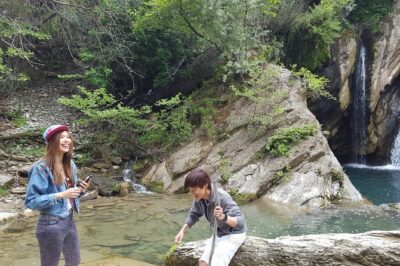 ★ 5.0Berat Osum Canyon & Bogove Waterfall TourFrom $70130 reviews
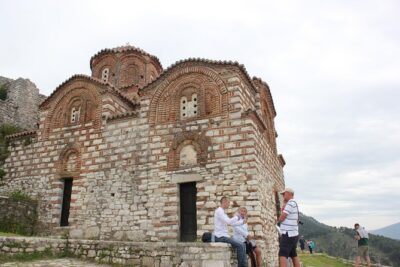 ★ 5.0Berat Cooking Class- Traditional Albanian Cooking Class /By VatoFrom $41120 reviews
 ★ 5.0Berat UNESCO & Belshi Lake Full-Day TourFrom $12118 reviews
 ★ 5.0Berat Walking TourFrom $1886 reviews
 ★ 5.0From Tirana; Semi – Private Day Trip to Berat & Belsh LakeFrom $16863 reviews
Browse the lists this tour appears in