
Reviewed · ALBANIAN COOKING CLASSES
Cooking Class & Traditional Albanian Dinner
Cooking here feels like family history in a pan. In Tirana, this hands-on class turns dinner into a live lesson on traditional Albanian food, with Chef Sokol Prenga guiding you step by step. You’ll cook, eat, and hear the stories behind ingredients and how the cuisine has changed over time.
What I like most is the practical rhythm: you’re not stuck watching. You get to work through multiple courses, including pispili (spinach pie), and you learn the basics you can actually use again later. One thing to keep in mind: it’s a hands-on, multi-course meal that runs about 4–5 hours, so go hungry and expect a lively evening, not a quick bite.
If you want a warm, social night in Tirana that ends with serious comfort food, this fits. If you prefer quiet, minimal mess, or you’re not into long dinners, plan accordingly.
In This Review
- Key points you’ll care about
- Tirana’s cooking start: Delikatesë Pastiçeri and an early-evening vibe
- What the class is really about: Albanian roots, technique, and stories
- Starter round: Albanian breads and the art of thin filo
- Pispili time: what to expect from spinach pie practice
- Tavë Kosi: yogurt and lamb casserole comfort
- Main dishes that show Albania’s flavor logic
- Dessert finish: Qumeshtor flan and the last sweet pull
- Wine, spirits, and the social side of dinner
- The chef and team factor: why Chef Sokol Prenga’s style matters
- Price and value: why $90.11 makes sense for a full dinner night
- Group size and timing: minimum 8, maximum 20, and an easy evening plan
- Should you book this Tirana cooking class?
- FAQ
- How long is the cooking class and dinner in Tirana?
- What is the price per person?
- Is the class offered in English?
- Where is the meeting point?
- What time does it run?
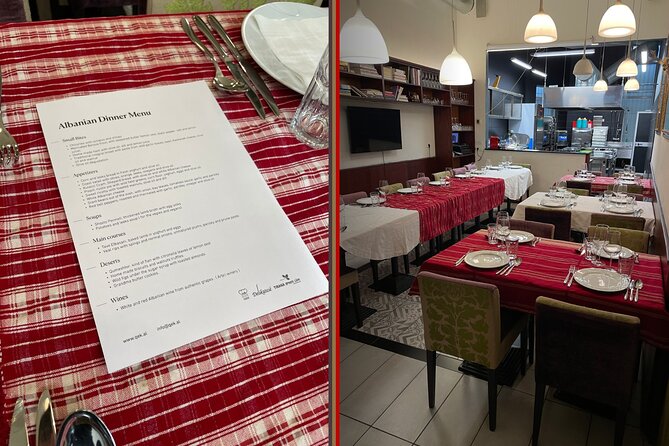
- What’s included in the menu?
- Does it end where it starts?
- How big is the group?
- Do I get a ticket on my phone?
- What if the experience is canceled because the minimum isn’t met?
Key points you’ll care about
- Hands-on kitchen time for multiple courses, not just tasting
- Pispili focus so you learn a signature Albanian spinach pie
- Full menu range from breads and pies to mains, then flan
- English instruction so you can follow the technique and stories
- Small group cap (20) plus a minimum of 8 people to run the class
Tirana’s cooking start: Delikatesë Pastiçeri and an early-evening vibe
The experience starts at Delikatesë Pastiçeri on Rruga Myslym Shyri 97 in Tirana. It’s scheduled for evenings, with hours listed as Monday–Friday from 5:00 PM to 10:00 PM, and the class itself runs about 5 hours (roughly 4–5 hours of cooking and dinner).
You’ll also be glad you’re starting near public transportation. That matters in Tirana, because evenings can mean more foot traffic and fewer easy parking options.
The other practical note: the activity returns you to the meeting point at the end. So you don’t have to plan a separate ride home after you’ve eaten your way through multiple courses.
More Albanian cooking classes we have rolled dough and byrek at near Tirana
What the class is really about: Albanian roots, technique, and stories
This isn’t one dish and a toast. It’s built to be a guided journey through Albanian culinary culture, from origins to modern day. Your host sets the tone by connecting what you’re making with where the ingredients and flavors came from.
I like this approach because it turns food into context. When you learn why something is folded one way, baked one way, or paired with a specific dairy or fruit flavor, it sticks. And the class is also social in the best way: you’re cooking with others while you hear the narrative and swap small questions.
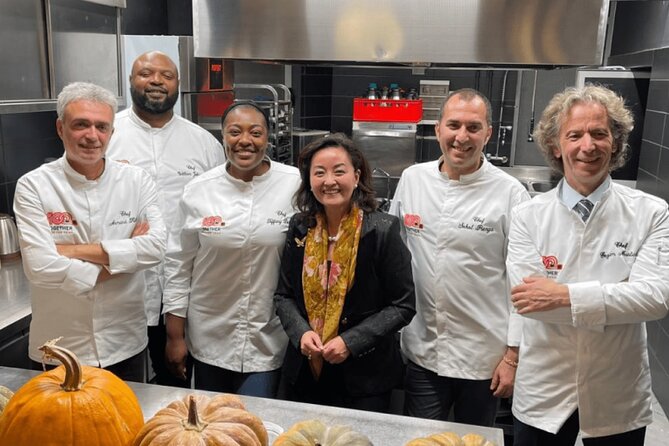
Chef Sokol Prenga and the team run the evening with a calm, patient style that works well for beginners. Even if you’ve never stretched dough or filled a pie, the format is set up so you can follow along and contribute.
Starter round: Albanian breads and the art of thin filo
The starter sequence is generous, and it’s a great way to learn Albanian food structure. You begin with Pite, a classic Albanian pie featuring home-stretched thin filo dough filled with spinach, minced meat, leek, and feta cheese.
That filo detail matters. Thin dough is one of the places where people usually get stuck at home. Here, you’re learning the workflow in a guided setting, so you’re not guessing how thin is thin enough or how to handle it without tearing.
After that, you move into the bread course: Traditional Albanian Breads. The menu lists a mix you may not see anywhere else, including Bukë Kallamoqe, Bukë Misri, Kulaç, Pogaçe, and Kamkuçe. That spread is more than variety for variety’s sake. It’s a reminder that Albanian eating isn’t only about pies and mains; breads are a whole category, tied to grain choices and everyday habits.
If you’re the kind of traveler who likes to taste your way through a region, this bread portion is where you’ll feel the most “wow, I didn’t know bread could be this different.”
Pispili time: what to expect from spinach pie practice
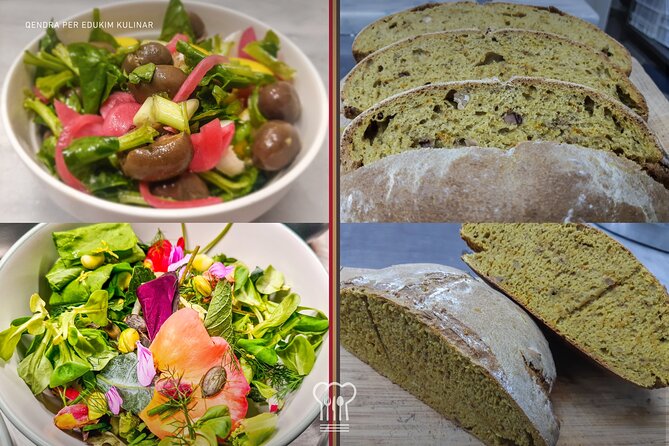
The highlight most people remember is pispili, the Albanian spinach pie. This is not just a course you eat; it’s the part where the evening becomes hands-on and personal.
Pispili sits in a nice spot in the menu because you’ve already tasted pie logic earlier. Now you can focus on one main flavor idea: spinach and how it behaves in a baked dish. You’ll work through the steps as you go, and the cooking style is paced so beginners can keep up.
The end result is a pie that feels both hearty and delicate. It’s the kind of dish you can imagine at a family table, but also the kind that makes you appreciate technique once you’ve touched the dough and seen the process.
Tavë Kosi: yogurt and lamb casserole comfort
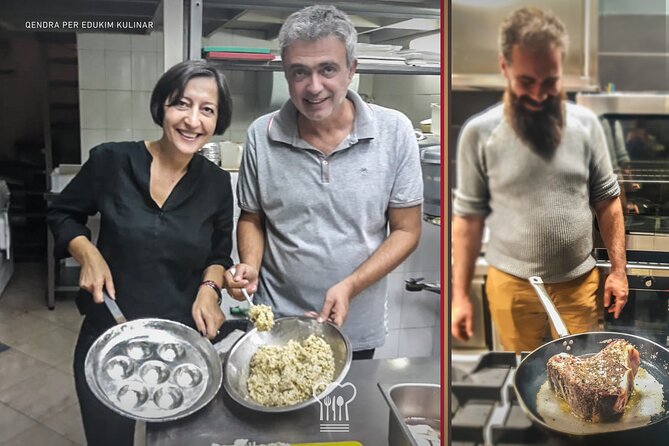
Next comes Tavë Kosi, described as a baked casserole with yogurt and lamb. This dish is pure comfort food energy: rich, warm, and built around the gentle tang of yogurt paired with meat.
Why I think it’s worth paying attention to: yogurt-based baking is one of those Balkan staples that doesn’t always make it onto tourist menus. You learn how it turns a simple casserole into something with body and a soft, rounded flavor.
Also, by the time you reach this course, you’ve already been cooking long enough that eating feels like a payoff, not just another plate.
More Tirana dinners and long tables we have pulled up a chair at

Main dishes that show Albania’s flavor logic
Once your starters and pies are done, you shift to mains that balance meat, fruit notes, and lighter options.
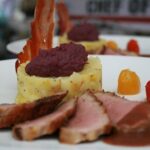
First is Mish me Pistil (Veal Ribs with Plum Syrup). Plum syrup brings a sweet-sour angle that keeps the plate from getting heavy. It’s the kind of flavor combination that makes you understand how Albanian cooking can be both rustic and carefully balanced.
Second is Shqeto e Permetit (Egg Based Soup from Permet). This is an egg-based soup with regional identity tied to Permet. The soup gives you a change in texture and temperature after the meat-forward dish, and it’s also a reminder that Albanian dinners often have variety in the middle, not only at the end.
If you’re wondering what this means for your taste buds: you’ll get baked and savory first, then you’ll hit plum-meat richness, then you cool down with a soup course. It’s a smart pacing choice for a multi-course meal.
Dessert finish: Qumeshtor flan and the last sweet pull
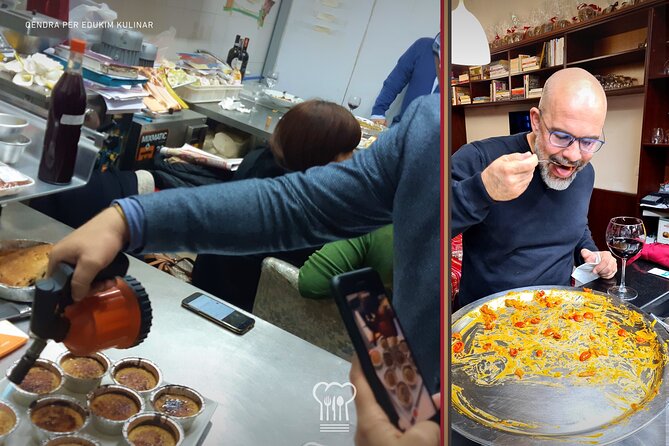
For dessert, the menu lists Qumeshtor, an Albanian flan. It’s a fitting end to the evening because flan is familiar enough to feel comfortable, but it still belongs in this specific culinary world.
One practical tip: dessert arrives when you’ll still be full from multiple savory dishes. So if you’re planning to take bites only, decide early. If you like to savor slowly, you’ll be happiest with smaller portions earlier in the meal.
That said, the dessert is part of the experience design. The courses are built so the final sweet note feels like closure rather than an afterthought.
Wine, spirits, and the social side of dinner
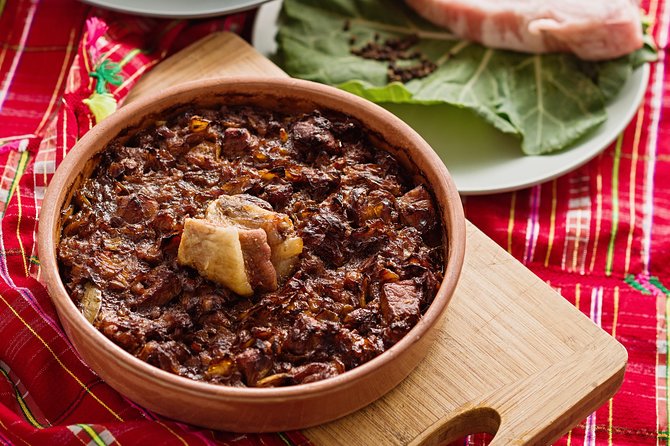
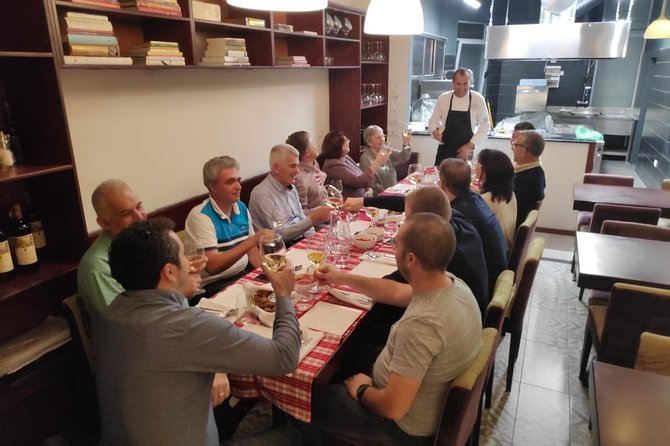
The program says the evening includes spirits, and the meal experience includes wine. In particular, there’s mention of wine flowing steadily during the night, which fits the tone of a group cooking class.
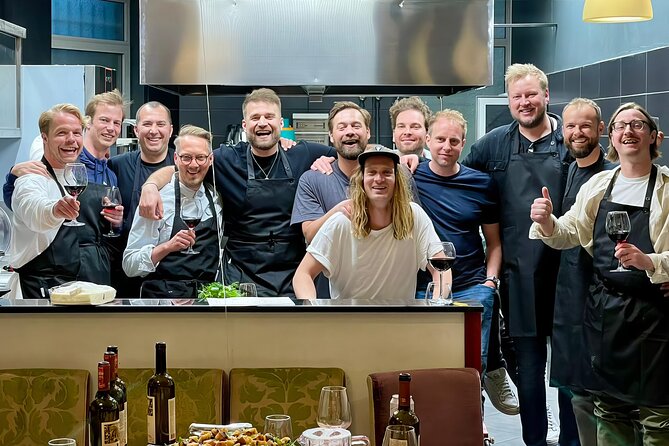
This is one of those tours where the atmosphere matters as much as the recipes. People aren’t just eating; they’re laughing, chatting, and learning while the food keeps coming. Music is also mentioned as part of the vibe, which helps if you’re traveling solo or with a small group and want an easy social entry.
Just go with the flow. If you show up grumpy or in a rush, you’ll miss the point. If you enjoy relaxed conversation with your spoon, you’ll have a much better night.
The chef and team factor: why Chef Sokol Prenga’s style matters
Chef Sokol Prenga is central to the experience. The evening is described as guided, warm, and focused on heritage—meaning he doesn’t just hand out steps, he explains how ingredients and dishes connect to Albanian culture.
What stands out is the way the team handles mixed skill levels. Even when the group includes complete beginners, the cooking is taught with patience. That’s a big deal because the kitchen can be stressful in other classes. Here, you’re cooking, but the tone stays supportive.
If you’re the type who likes learning from a real person, not a scripted demo, you’ll appreciate the human pace. And if you’re traveling with friends, it’s easy to turn this into a shared event because everyone has a role, from prepping to assembling to sampling.
Price and value: why $90.11 makes sense for a full dinner night
At $90.11 per person, this is not a cheap snack experience. But it also isn’t priced like a tasting menu where most of the food is prepared offstage.
You’re paying for:
- Hands-on instruction across multiple courses
- A full traditional dinner with starters, mains, dessert
- An evening format that lasts about 4–5 hours
- English instruction, plus a small-group setting (max 20)
So the value comes from total “time + food + teaching.” If you were to try to recreate this at home, you’d spend on ingredients, time, and kitchen tools. Here, the teaching is packaged right in.
Also, because it’s a dinner that you get to cook yourself, you’re more likely to remember it than a restaurant meal. That matters when you’re building a trip around experiences, not just meals.
Group size and timing: minimum 8, maximum 20, and an easy evening plan
This activity has a minimum of 8 participants and a maximum of 20. That’s a good sweet spot: large enough for energy and teamwork, small enough that instruction still feels personal.
Because it runs in the evening, plan your day so you’re not wiped out beforehand. You’ll spend time cooking, then you’ll eat slowly, then you’ll likely feel pleasantly overfed on the walk home.
If you’re traveling with a big group, you may still find it fits well because the format is designed to handle groups in the kitchen space. If you’re solo, you’ll likely appreciate the mix of cooking and conversation, which helps break the ice fast.
Should you book this Tirana cooking class?
Book it if you want a real Albanian dinner night with technique, not just a plate. This is especially good for:
- Food-focused travelers who like learning while doing
- Groups of friends who want a shared activity in Tirana
- Beginners who want patient guidance with pies, breads, and baking
Consider skipping or setting your expectations if you want a short, quiet activity. This runs long, and it includes a lot of savory food before dessert.
If your main goal is to understand Tirana and Albania through taste and technique, this is a strong choice. Chef Sokol Prenga’s storytelling plus the hands-on menu makes it the kind of evening you’ll remember on the walk back to your hotel.
FAQ
How long is the cooking class and dinner in Tirana?
The experience runs about 5 hours (approximately 4–5 hours of cooking and dinner).
What is the price per person?
The price is $90.11 per person.
Is the class offered in English?
Yes, the experience is offered in English.
Where is the meeting point?
The meeting point is Delikatesë Pastiçeri, Rruga Myslym Shyri 97, Tiranë.
What time does it run?
It’s scheduled for Monday through Friday, with opening hours listed as 5:00 PM to 10:00 PM.
What’s included in the menu?
You can expect starters like Pite, Albanian breads, Tavë Kosi, and Pispili, plus mains like Mish me Pistil and Shqeto e Permetit, and dessert Qumeshtor. Spirits are also included.
Does it end where it starts?
Yes, the activity ends back at the meeting point.
How big is the group?
It has a maximum of 20 travelers and requires a minimum of 8 participants.
Do I get a ticket on my phone?
Yes, it includes a mobile ticket.
What if the experience is canceled because the minimum isn’t met?
If it’s canceled due to not meeting the minimum number of travelers, you’ll be offered a different date/experience or a full refund.
More Tirana Dinners and Long Tables
More from Our Tirana Review Desk



More Albanian Cooking Classes
Not quite it? More Tirana tours and Albanian day trips fresh off our review desk






Albanian Cooking Classes, compared.
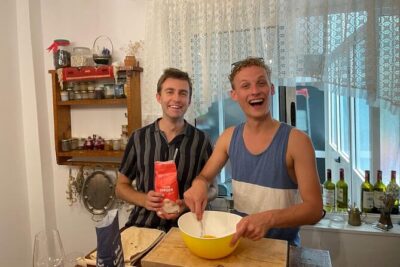 ★ 5.0Cooking Classes and Traditional food tasting in TiranaFrom $49282 reviews
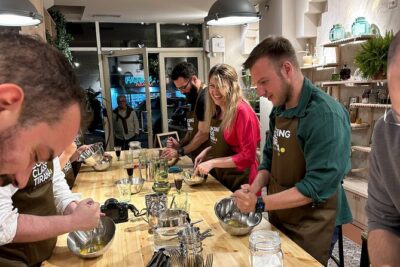 ★ 5.0Traditional Albanian Cooking Class in Tirana with Raki TastingFrom $53125 reviews
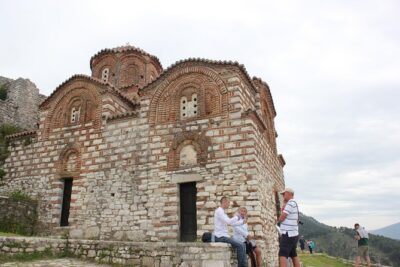 ★ 5.0Berat Cooking Class- Traditional Albanian Cooking Class /By VatoFrom $41120 reviews
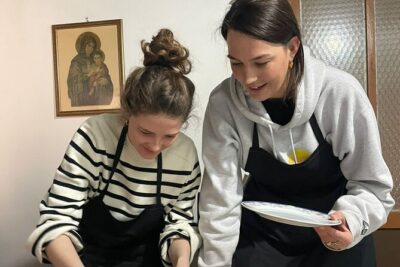 ★ 5.0Savor Albanian Cuisine Cooking Class with Mama Nina Berat CastleFrom $4855 reviews
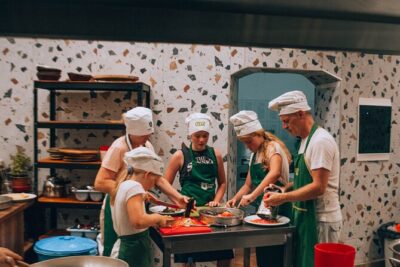 ★ 5.0Cooking Class in Berat Slow Food CommunityFrom $6634 reviews
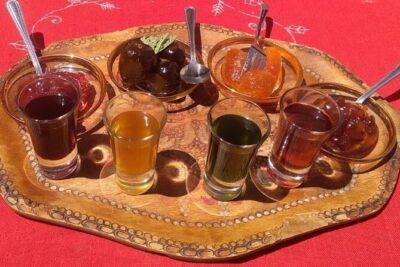 ★ 5.0Farm-to-Table Cooking Class with Local Family by 1001 AlbAdvFrom $7210 reviews
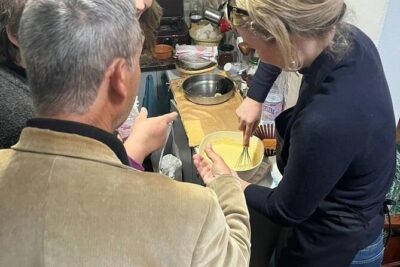 ★ 5.0Berat Cooking Class- Traditional Albanian Cooking ClassFrom $489 reviews
Browse the lists this tour appears in