
Reviewed · DINING EXPERIENCES
Traditional Albanian and Mediterranean Dinner
A dinner lesson that turns food into stories. This 4.5-hour Traditional Albanian and Mediterranean Dinner uses local, organic ingredients to walk you through how Albanian dishes evolved through many cultures, all explained by Master Chef Sokol Prenga.
I love that it is chef-led and story-driven, not just a plate parade, with step-by-step guidance and questions encouraged.
You’ll also like the multi-course menu range, from breads and byrek-style pies to hearty mains like tavë kosi and lamb stews, then finishing with Albanian flan. Even the drink portion is built into the experience, so you stay in a relaxed dinner rhythm instead of hunting for your next stop.
The only real catch: plan for a full evening commitment. With a typical start around 7:30 PM and about 4 hours 30 minutes total, it can feel long if you’re trying to squeeze in multiple things late at night.
In This Review
- Key things to know before you go
- Taste Table in Tirana: why this dinner feels more like a class
- How the menu starts: Albanian breads and byrek-style pies
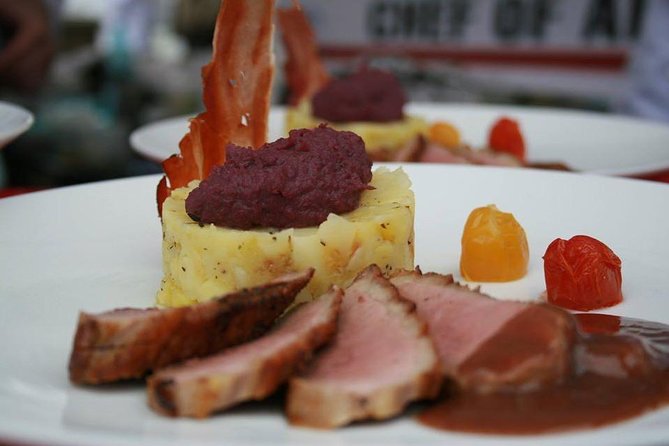
- Tavë kosi and other mains: regional comfort food, not one-note meals
- Tavë Kosi: yogurt and lamb baked together
- Mish me Pistil: veal ribs with plum syrup
- Shqeto e Përmetit: an egg-based lamb stew
- Dessert and drinks: ending with Albanian flan
- The cultural thread: how centuries show up in dinner
- Price and value: what you’re really paying for
- Logistics that matter for your night out
- Who should book this dinner in Tirana
- Should you book Albanian Culinary Experience in Tirana?
- FAQ
- What is the duration of the Traditional Albanian and Mediterranean Dinner in Tirana?
- Where is the meeting point for the dinner?
- What language is the experience offered in?
- What time does the dinner run?
- What is included in the dinner?
- What if the experience is canceled due to minimum group size?
Key things to know before you go
- Chef Sokol Prenga leads it all: 25+ years in the kitchen, with humor and hospitality that make explanations land.
- You eat widely, not narrowly: breads, thin filo pies, multiple meat-and-stew mains, and dessert in one sitting.
- Organic local produce is the theme: the menu uses regional agricultural staples, not imported shortcuts.
- Culture comes with the course: Greeks, Romans, Byzantines, and Ottomans are part of how flavors and techniques show up.
- Small group size: up to 22 people, which helps you actually hear the dish talk and ask questions.
- It’s timed for an evening meal: Monday to Friday, roughly 7:30 PM to 10:00 PM.
Taste Table in Tirana: why this dinner feels more like a class
In Tirana, this dinner concept is built around one idea: food is the easiest way to understand a place. The Center for Culinary Education Taste Table puts you at the center of a chef-led sequence that connects what you’re eating with where it came from. Instead of guessing at Albanian flavors, you get the “why” as the meal progresses.
Master Chef Sokol Prenga (over 25 years of experience) creates a menu meant to show Albanian cuisine from its origins to its contemporary form. That matters because Albania’s food scene didn’t develop in a vacuum. The menu is designed to reflect influences from ancient Greeks, Romans, Byzantine governance, and Ottoman culinary contact—so you’re not just eating, you’re mapping.
And the tone sounds intentionally warm. The experience is described as welcoming and interactive, with a host who shares cooking secrets and uses stories to bring dishes to life. That turns dinner talk into actual learning, and it helps you feel comfortable asking questions when something catches your attention.
More Tirana dinners and long tables we have pulled up a chair at

How the menu starts: Albanian breads and byrek-style pies
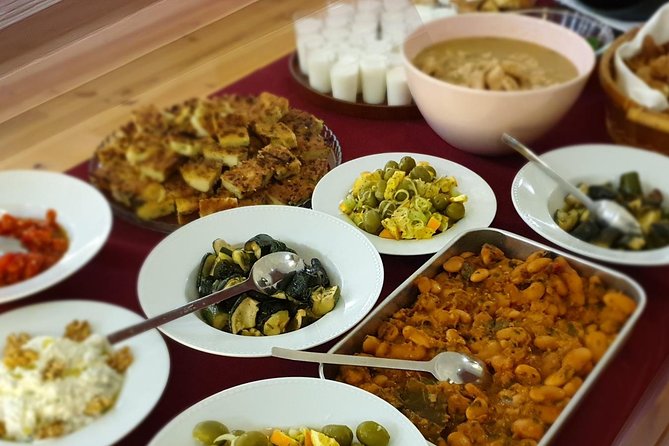
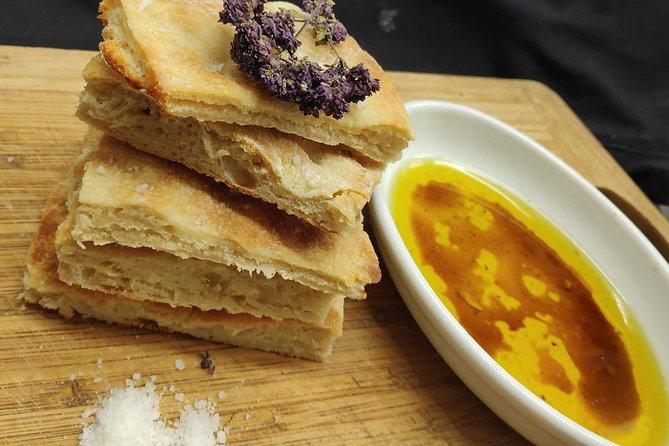
The first course set-up is smart: it gives you the building blocks of Albanian tables before the heavier mains arrive. You start with traditional Albanian breads made from organic corn and wheat flour, and you get several named varieties. Expect options such as Bukë Kallamoqe and Bukë Misri, plus Kulaç, Pogaçe, and Kamkuçe.
Why this works: bread in Albania is not just filler. Different doughs and grain choices tell you what crops mattered, what techniques were practical, and how people shaped food for everyday life. If you’re the type who usually skips bread at restaurants, this part is a good reason to pay attention.
Then comes pies (Pite/Byrek), built on thinly stretched filo dough. The classic version in the menu includes spinach, minced meat, leek, and feta cheese. You’ll also see variations like pumpkin, apple, and potato.
Here’s the practical value: by the time you’re halfway through dinner, you understand how filo dough works in Albanian cooking—delicate but forgiving—and you notice how fillings switch from savory to slightly sweet directions (like apple). This helps you taste later dishes with more context, because you’re already tuned in.
Tavë kosi and other mains: regional comfort food, not one-note meals
The menu then moves into the kind of mains that define comfort food: casseroles, stews, and meat dishes with clear regional fingerprints. Each main is chosen to show a different side of Albanian dining, while still feeling like one coherent meal.
Tavë Kosi: yogurt and lamb baked together
One of the featured mains is Tavë Kosi, a baked casserole with yogurt and lamb. This is a dish that often makes people understand Albanian cuisine faster than an essay does. The yogurt adds tang and richness, while baking pulls flavors into a single, cohesive dish rather than separate components.
What you should pay attention to here is how dairy isn’t treated as something separate. Instead, it becomes part of the flavor structure—comforting, slightly sharp, and deeply satisfying.
Mish me Pistil: veal ribs with plum syrup
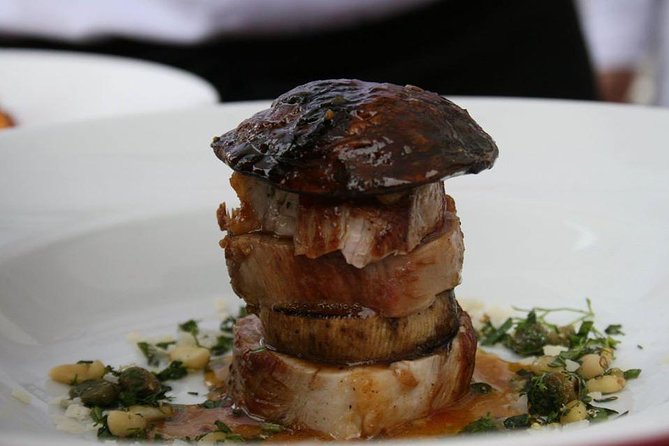
Next up is Mish me Pistil, veal ribs with plum syrup. Plum shows up in many Mediterranean and Balkan cuisines, but in this course it’s doing more than adding sweetness. Plum syrup can balance richness from the meat, giving the dish a layered flavor instead of just “meaty and heavy.”
If you’re someone who likes sour-sweet combos, this course is a highlight. If you’re not, it’s still worth trying because the goal is to show how local fruit and meat pair in regional cooking.
A few more Tirana tours and Albanian day trips worth a look
Shqeto e Përmetit: an egg-based lamb stew
Another main is Shqeto e Permetit, an egg-based lamb stew from the Përmet region, with lemon, pepper, and parsley. This is the kind of dish that rewards attention. The stew form lets herbs and seasonings show up clearly, while the egg element can create a distinct texture and body.
The lemon note is also key: it brightens everything and prevents the meal from going flat. So even with a heavy base (lamb), you still get a lift from citrus.
Dessert and drinks: ending with Albanian flan
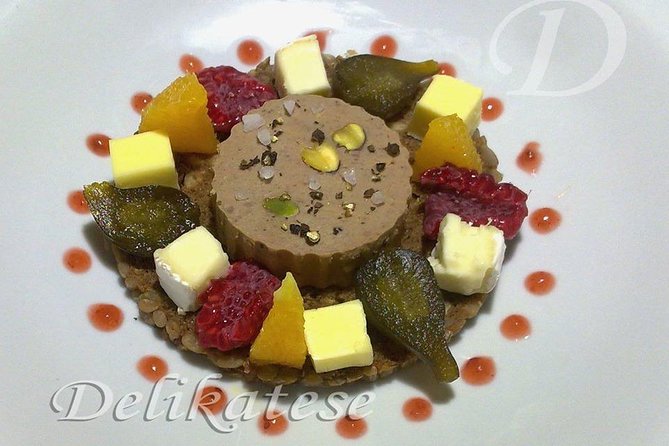
After the mains, the dinner follows through with dessert and drinks as part of the same planned flow. The dessert listed is Qumeshtor, an Albanian flan.
Why this matters at the end: flan is usually gentle on the stomach after rich courses, and it gives you a “soft landing” when you’ve been eating bread, filo pies, and multiple meat-forward dishes. If you’re worried about being overwhelmed, dessert here is designed to round off flavors rather than restart your taste buds from scratch.
Also, the dinner includes drinks and good spirits. That line is doing a lot of work. It signals that the meal is meant to be social and unhurried, not a rushed tasting session where you lose the thread between courses.
The cultural thread: how centuries show up in dinner
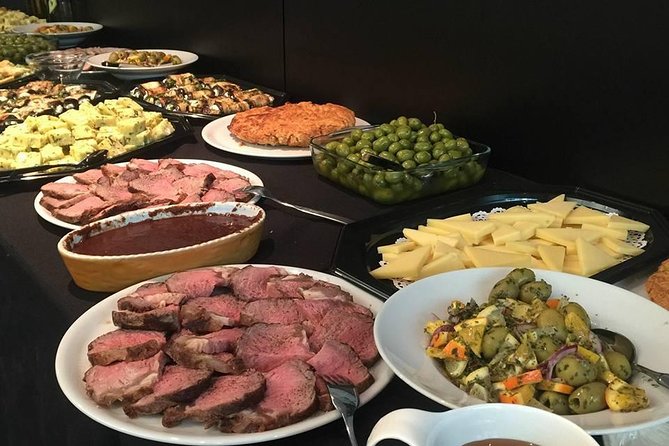
One of the most useful parts of this experience is that it doesn’t treat Albanian cuisine as a single frozen tradition. Instead, it explains how the dishes reflect trade and contact over time, including Greek, Roman, Byzantine, and Ottoman influence.
You don’t have to be a food historian to get value from this. What you’re really learning is how culinary techniques travel and adapt. For example:
- filo-like dough work can feel delicate, but it’s often a practical solution shaped by cooking habits and available tools
- yogurt-based or dairy-rich dishes show how local agriculture and comfort food traditions blend together
- fruit-based notes like plum syrup connect meat dishes to what regions could grow and preserve
When you understand that these flavors aren’t random, you start tasting with better instincts. The meal becomes a kind of guided tasting map.
And the format encourages questions. That’s important because “What is this?” is usually the start of real understanding. When you ask, you’ll get explanation tied directly to what you’re eating.
Price and value: what you’re really paying for
At $60.21 per person for about 4 hours 30 minutes, the price looks reasonable only if the dinner delivers what it promises. Here’s what you get based on the experience design:
- a chef-led progression through multiple courses
- appetizers, mains, dessert, plus drinks
- an emphasis on local, organic food products and traditional agricultural produce
- English instruction and dish explanations during the meal
- a small cap of up to 22 people
In practical terms, you’re not paying just for food. You’re paying for guidance—someone translating culture through cooking—and for the fact that everything is planned as one full night out. That often makes a set dinner better value than paying separately for dishes across town, especially when you want context.
One small consideration: this is an organized dinner with a schedule, not a free-form wander-and-snack evening. If you hate being on any timeline at all, you may feel the structure more than you’d like. If you enjoy a guided meal, the timing becomes comforting.
Logistics that matter for your night out
This dinner runs from Monday to Friday, about 7:30 PM to 10:00 PM. The meeting point is at Delikatesë Pastiçeri, Rruga Myslym Shyri 97, Tiranë. It is also noted as near public transportation, which is helpful if you’re mixing this with other parts of your evening.
The experience is offered in English, and you receive a mobile ticket. Group size is capped at 22, which typically improves the odds you’ll actually hear the explanations and not just focus on your plate.
One more timing tip: since it ends back at the starting point, it’s easiest if you don’t plan a second far-away reservation right afterward. Plan for the rest of your night to be close by, or keep it simple and let dinner be the main event.
Who should book this dinner in Tirana
This experience fits best if you want more than food. You’ll enjoy it if:
- you like learning in a hands-on, conversational way
- you’re curious about how Albanian cuisine connects to Mediterranean and Balkan history
- you want a full meal without planning five separate stops
- you enjoy trying multiple dishes in one sitting, including breads, pies, stews, and dessert
It’s also a good fit for people traveling in pairs or small groups who like a shared table atmosphere. The described vibe is warm and hospitable, with an emphasis on humor and storytelling from the chef.
If you’re picky in a way that depends on knowing ingredients in advance, it helps to remember that the menu includes specific items like lamb and veal in the mains, plus feta and fillings in the pies. The information you have is the sample menu; if you need diet details beyond that, you may want to check directly during booking so you’re not guessing.
Should you book Albanian Culinary Experience in Tirana?
If you want a night in Tirana that mixes great Albanian eating with actual context, I’d say this is a solid choice. The strongest reason to book is the format: chef Sokol Prenga leads the meal and connects dishes to cultural influences, and the atmosphere is described as welcoming and family-like.
I’d skip it only if you’re short on evening time, dislike structured dining, or need very specific dietary accommodations that go beyond the listed dishes.
Otherwise, you’ll leave with two things you can use later: better taste instincts for Albanian staples and a clear sense of how history can land on a plate.
FAQ
What is the duration of the Traditional Albanian and Mediterranean Dinner in Tirana?
The dinner lasts about 4 hours 30 minutes (approx.).
Where is the meeting point for the dinner?
The meeting point is Delikatesë Pastiçeri, Rruga Myslym Shyri 97, Tiranë, Albania.
What language is the experience offered in?
The dinner is offered in English.
What time does the dinner run?
It runs Monday to Friday from about 7:30 PM to 10:00 PM.
What is included in the dinner?
The dinner includes appetizers, main dishes, desserts, drinks, and good spirits, plus explanation about the dishes during the experience.
What if the experience is canceled due to minimum group size?
If it’s canceled because the minimum number of travelers isn’t met, you’ll be offered a different date or a full refund.
If you want, tell me your travel dates and whether you’re more of a meat, seafood, or vegetarian person, and I’ll help you decide if this menu matches your style and timing.
More Dinner Experiences in Tirana
More Tirana Dinners and Long Tables
More from Our Tirana Review Desk




Not quite it? More Tirana tours and Albanian day trips fresh off our review desk







Dining Experiences, compared.
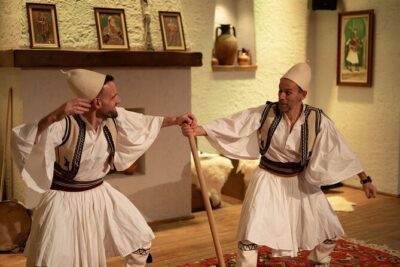 ★ 5.0Albanian Night Show: Traditional Music, Dance & Dinner in TiranaFrom $53431 reviews
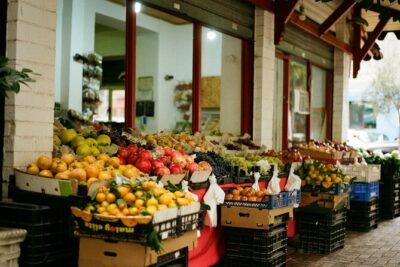 ★ 5.0Local food experience & walking tour of TiranaFrom $60192 reviews
 ★ 5.0Cooking Class & Traditional Albanian DinnerFrom $9015 reviews
 ★ 5.0Shen Gjergji Waterfall & Tirana Sunset Included DinnerFrom $1089 reviews
Browse the lists this tour appears in