
Reviewed · TIRANA CITY WALKING TOURS
Tirana Walking Tour, Extra Virgin Olive Oil and Raki Tasting
Olive oil and history on one Tirana walk. You’ll cover major landmarks on foot while a guide adds the human context behind what you see, finishing with a tasting of extra-virgin olive oil and raki. It’s a straightforward 2 to 3 hour plan that helps you get your bearings fast, even if it’s your first day in Albania’s capital.
Two things I like a lot: the local guide (Taulant is specifically noted for sharing clear, engaging details) and the fact the tasting is built into the walk, not tacked on at the end. You also spend real time in places that show Albania’s shifts over the decades, from communist-era planning to today’s streets, like Blloku.
One drawback to consider: this is about walking and sampling, not a full meal. If you’re hungry afterward, plan to eat on your own, because snacks and drinks aren’t included.
In This Review
- Key highlights you’ll actually feel
- Why This Tirana Walk Works: major sights plus tasting in 2–3 hours
- Starting at Skanderbeg Square and the Clock Tower details
- Murat Toptani Pedestrian Street: a walk that strings together eras
- Tirana Castle stop: where the taste meets the view
- Blloku: from restricted communist quarter to today’s nightlife-and-shops zone
- Enver Hoxha Pyramid: 1988 museum origins and star-shaped meaning
- The guide makes it click: local context, clear pacing, and practical city tips
- Price and value: what $22.69 covers (and what it doesn’t)
- Logistics that matter: where to meet, how long to plan, and weather reality
- Who this tour suits best
- Should you book this Tirana walking tour with olive oil and raki?
- FAQ
- Where does the Tirana tour start and where does it end?
- How long is the experience?
- Is the tour offered in English?
- What’s included in the price?
- What types of raki will I try?
- Are meals or snacks included?
- Is it private or group-based?
- What are the main stops on the route?
- Does the tour run in bad weather?
- Can most people participate?
Key highlights you’ll actually feel
- Olive oil and raki tasting built into historic Tirana, not a separate add-on
- Skanderbeg Square, the Castle area, and Blloku in one compact route
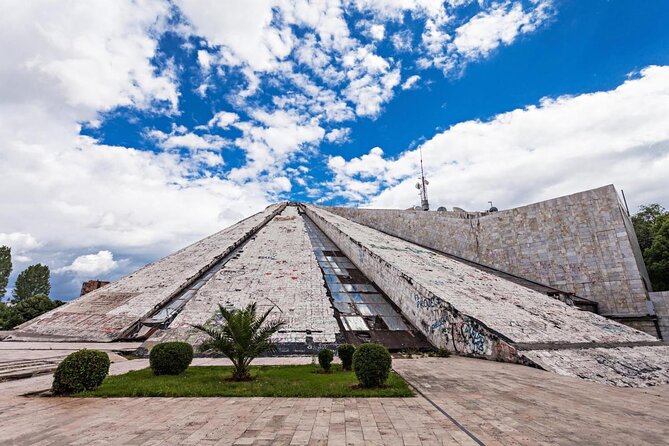
- Enver Hoxha Pyramid with context on how its meaning has changed
- Murat Toptani Pedestrian Street linking multiple layers of the city in an easy walk
- Professional certified guide in English, max 30 people
- Ends where you start (easier planning if you’re hopping to another stop)
Why This Tirana Walk Works: major sights plus tasting in 2–3 hours
This tour is built for people who don’t want to rush through names on a map. The route is clustered in central Tirana, so you spend more time looking at buildings and streets than tracking down directions.
The tasting part matters too. Instead of treating food and drink like a random detour, you taste olive oil and multiple raki styles while the surroundings give you context for why these traditions matter in Albania. You can learn what you’re tasting, then connect it to what you’re seeing in the city right before and after.
If you’re short on time, this is a good way to build a “first-day Tirana story” you can reference later. And if you’re already a foodie, the tasting gives you something practical—something you can bring home as a memory.
More Tirana walking tours through the boulevards and back lanes



Starting at Skanderbeg Square and the Clock Tower details
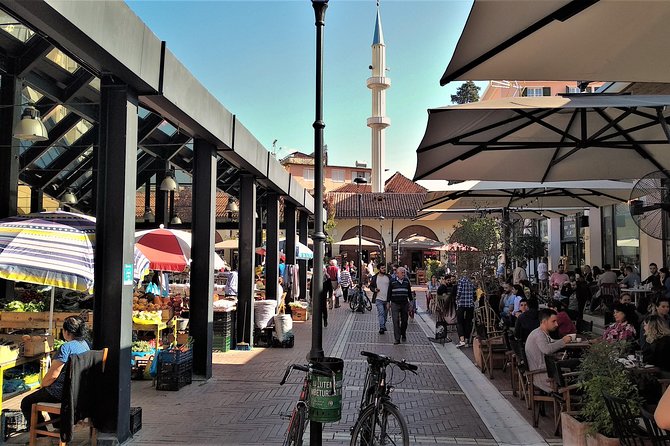
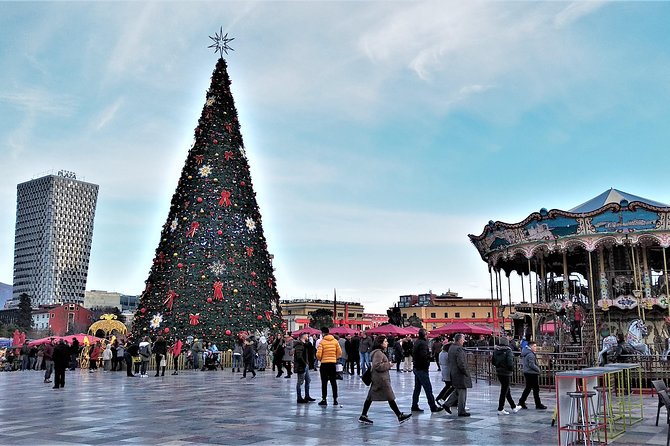
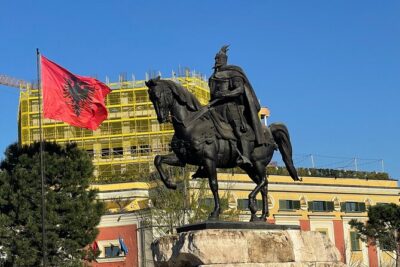
You begin at the equestrian statue of Skanderbeg in Sheshi Skënderbej. This square is a perfect starting point because it’s been reshaped by different political eras, and the modern look you see now came after a lot of changes.
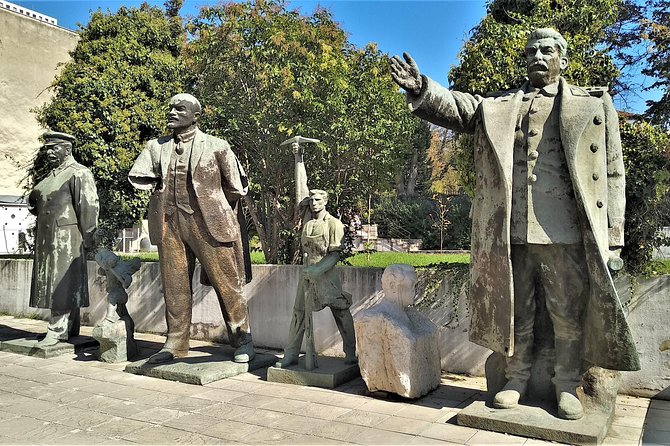
One key thing you’ll hear is how the square’s identity evolved over time. It was conceived before World War II, then later became a host area for big monuments connected to Stalin and Enver Hoxha—though only the Skanderbeg statue remains today. That contrast is a theme you’ll keep running into across the tour.
From there, you’ll also pass the Tirana Clock Tower, completed in 1822 and considered one of the older structures from the late Ottoman period. Even if you’re not a “clock tower person,” it’s a helpful reminder that Tirana has deep layers that don’t all belong to the 20th century.
This is also a nice pacing moment: the first stop sits in the 20-minute range, so you’re not stuck under the sun for long right away.
Murat Toptani Pedestrian Street: a walk that strings together eras
Next comes one of the most interesting parts of the whole route: the pedestrian trail along Murat Toptani. The tour frames this street as more than a pleasant walkway—it’s described as a natural museum and historical gallery because it connects multiple monumental areas.
As you move along, you’ll see (or at least connect with) a sequence of major references, including:
- Kalaja e Tiranes (the fortress area)
- the headquarters of the Academy of Sciences
- a park often considered the country’s first national park
- the old National Library
- the former Political Persecutor’s Building
- Tanners Bridge
…and you may also spot newer tourist draws in the same corridor, such as the National Gallery of Arts and the Residence of the Albanian Royal Family.
Why this matters: in a city like Tirana, the story isn’t in one building. It’s in how the city reuses and repurposes space. This stretch helps you understand that by physically moving through a sequence of meanings.
A small consideration: because this is a connected walking corridor, you’ll want comfortable shoes. The tour is designed for most travelers, but you’ll still be on your feet as you cover the main downtown segment.
Tirana Castle stop: where the taste meets the view
The tour then heads to Tirana Castle (Kalaja e Tiranës), tied to the Toptani Pedestrian Street area. It’s a short stop on the schedule—around 15 minutes—but that’s exactly why it works: you don’t come here to “tour a museum,” you come to reset your perspective and tie it back to the food.
This is also where the tasting happens: you’ll sample extra-virgin olive oil and different rakis. The tour description specifically notes raki distilled from flavors like blackberries and plums (and it’s framed as a range of styles rather than just one bottle).
How to use this tasting time well:
- Pay attention to how different the raki profiles can feel, even when it’s the same spirit family.
- Take cues from your guide on what to look for in the olive oil (freshness, intensity, and how it finishes on the palate).
- If you don’t love alcohol, you can still treat the tasting like a cultural intro; the goal is understanding, not heavy drinking.
One thing to note for expectations: snacks and meals aren’t included, so this is a sample, not a dinner replacement. I’d plan to eat afterward, especially since you’ll have walked for 2 to 3 hours.
Blloku: from restricted communist quarter to today’s nightlife-and-shops zone
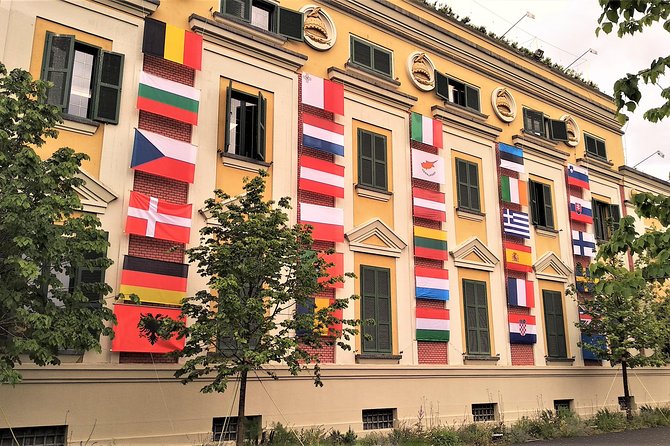
The route continues to Blloku (also called Ish-Blloku). This is the kind of neighborhood name you’ll hear often because it’s known as an upmarket entertainment area with boutiques, restaurants, trendy bars, pubs, and cafes.
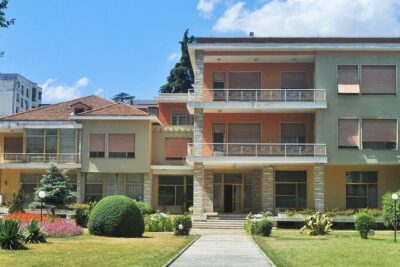
The story behind it is what makes the stop click. During the communist period, Blloku was a restricted residential area for members of the Albanian politburo—ordinary Albanians couldn’t just walk in. After the fall of communism, it became a magnet for people and business, which is why it’s now described as a playground for the young Albanian elite.
Even if your interest is mostly architecture or street life, this neighborhood gives you a clear before-and-after contrast. You’re seeing how political boundaries can reshape everyday geography, and then how those spaces get re-branded when the system changes.
The tour also points out that you can still find the residence of Enver Hoxha here. That detail is worth keeping in mind while you’re walking through the shops and cafes—this modern vibe sits on top of a former power map.
More Tirana food and raki walks for byrek, grilled peppers and a shot or two



Enver Hoxha Pyramid: 1988 museum origins and star-shaped meaning
Your next landmark is the Enver Hoxha Pyramid. It’s described as having been inaugurated in 1988, originally serving as the heritage museum of Enver Hoxha until 1991. The building is shaped like an Egyptian-style pyramid, but from above it’s said to reveal the shape of a communist star with rays.
What I like about how this stop is handled is that it’s not just about spotting a strange building. It’s a prompt to think about symbolism—how leaders used architecture to project power, and how the interpretation can shift when political meaning changes.
The tour notes that renewed construction will surprise you. That matters because Tirana isn’t stuck in a single era. Even when monuments look like they belong to the past, their current condition and surrounding development keep telling you the city is still moving.
The guide makes it click: local context, clear pacing, and practical city tips
A walking tour like this lives or dies on the guide’s tone and flow. Here, the emphasis is on learning more than from guidebooks—less about memorizing dates, more about understanding why the city looks the way it does.
In the feedback you’ll find a consistent thread: guides like Taulant are praised for being engaging and educational, with personal insights on Albanian history. One review also notes that the guide helped keep the group in the shade when possible, which is a small detail that can make a big difference in Tirana’s sun.
You’ll also likely walk away with practical local suggestions—things like where to stop for coffee afterward and where to look for shops and restaurants. Those kinds of recommendations are underrated because they save you from spending your “limited sightseeing time” hunting for basic needs.
Group size is also kept to a max of 30 travelers, which usually helps keep the experience from feeling like a moving parade.
Price and value: what $22.69 covers (and what it doesn’t)
At $22.69 per person, the math is mostly about what’s included versus what you’d normally pay for on your own.
Included:
- a professional certified guide
- extra-virgin olive oil and different rakis tasting
Not included:
- meals, snacks, and drinks (so you’re responsible for lunch or a post-tour snack)
That makes the price feel more reasonable than a standard “see the sights” walking tour. The tasting isn’t just a sip—it’s part of the schedule and part of the route’s identity. If you were planning to try Albanian olive oil and raki anyway, you’re effectively paying for guidance plus access in the places where the tasting is tied to the experience.
One more value factor: because the tour runs in English and is designed for most travelers, it’s a low-friction way to experience Tirana’s central highlights without needing to research every monument in advance.
Logistics that matter: where to meet, how long to plan, and weather reality
You’ll meet at the equestrian statue of Skanderbeg in Sheshi Skënderbej. The tour ends back at the meeting point, which is helpful if you want a clean handoff to your next plan.
The duration is listed as 2 to 3 hours (approx.), which is a realistic block for central walking plus a tasting break. If you’re timing museum visits or dinner reservations, treat it as closer to 3 hours when you factor in tasting pace and photo stops.
The tour is near public transportation, and confirmation is received at booking time. Also, the experience requires good weather—if it’s canceled due to poor weather, you’ll be offered a different date or a full refund.
My practical advice: wear comfortable shoes and bring a light layer. You’ll be walking through outdoor areas like pedestrian streets and landmark zones, and you’ll be happier if you’re not cooked by sun or chilled by wind.
Who this tour suits best
This tour is a great fit if:
- you want a first-time Tirana overview with the key sights clustered together
- you care about more than photos and want context on political-era changes
- you enjoy food and drink experiences that connect to local culture
- you like a guided pace that still leaves room to look around
It’s also a solid choice for couples or small groups because the “private for just your group” style is highlighted. Even so, remember there’s a stated maximum group size of 30, so you’re not guaranteed a two-person bubble.
If you’re traveling with teens who like history but get bored with long museum lectures, the structure here—short stops, then walking—can keep attention moving.
Should you book this Tirana walking tour with olive oil and raki?
I’d book it if you want an efficient, guided intro to central Tirana that includes something you can taste and remember. The route covers the big identity markers—Skanderbeg Square, the castle area, Blloku, and the Hoxha Pyramid—and it does it in a way that connects those landmarks to how Albania has changed.
Skip it if you’re only interested in one narrow type of sightseeing. This one isn’t built as a deep museum day, and it’s not a food tour that focuses on multiple full meals. It’s a walking tour with a tasting, and that’s the sweet spot.
If you want a city orientation plus an easy cultural souvenir in your stomach, this is a smart use of a few hours in Tirana.
FAQ
Where does the Tirana tour start and where does it end?
The tour starts at the equestrian statue of Skanderbeg in Sheshi Skënderbej, Tirana, and it ends back at the same meeting point.
How long is the experience?
It runs about 2 to 3 hours.
Is the tour offered in English?
Yes, the tour is offered in English.
What’s included in the price?
The tour includes a professional certified guide plus extra-virgin olive oil and different rakis tasting.
What types of raki will I try?
The tasting includes raki distilled from flavors such as blackberries and plums, along with other types.
Are meals or snacks included?
No. Meals, snacks, and drinks are excluded.
Is it private or group-based?
It’s described as a private tour for just your group, and the tour has a maximum of 30 travelers.
What are the main stops on the route?
You’ll visit areas including Skanderbeg Square, Tirana Clock Tower area, the Tirana Castle area, Blloku, and the Enver Hoxha Pyramid.
Does the tour run in bad weather?
The experience requires good weather. If it’s canceled due to poor weather, you’ll be offered a different date or a full refund.
Can most people participate?
Most travelers can participate, and the tour is near public transportation.
More from Our Tirana Review Desk

More Tirana Food and Raki Walks

More Ways to Walk Tirana on Foot

Not quite it? More Tirana tours and Albanian day trips fresh off our review desk







Tirana City Walking Tours, compared.
 ★ 5.0Walking Tour of TiranaFrom $18646 reviews
 ★ 5.0Local food experience & walking tour of TiranaFrom $60192 reviews
 ★ 5.0Tour a Piedi di TiranaFrom $20174 reviews
 ★ 5.0Best of Local Food & City Tour of Tirana – Food & Drinks IncludedFrom $72160 reviews
 ★ 5.0Berat Walking TourFrom $1886 reviews
 ★ 5.0Tirana Hidden Treasures Sightseeing TourFrom $1660 reviews
 ★ 4.5City Tour of Tirana & Dajti Mountain with PickupFrom $6059 reviews
 ★ 5.0Tirana Walking Tour: History, Culture &Gems by a Passionate GuideFrom $3652 reviews
Browse the lists this tour appears in