
Reviewed · BEST OF ALBANIA MULTI-DAY TOURS
Albanian Highlights – UNESCO sites ,Nature and Food tour
Albania hits fast and hard—in a good way. This 6-day highlights run strings together UNESCO towns (Berat, Gjirokastër, Butrint) plus serious nature days like Osum Canyon, lagoons with pelicans, and waterfall time. You also get food at the source, including a castle-area family meal and a south-of-Albania agro-farm dinner tied to local wine and produce.
Two things I really like: the way it balances monuments with outdoors (you’re not stuck looking at stones all day), and the emphasis on eating with people rather than only between attractions. I also appreciate the small group size—max 8 travelers—which makes the day feel less like a bus tour and more like a guided route that still leaves space to breathe.
One consideration: this itinerary is active and packed with driving days, viewpoints, and some walking on uneven terrain. If you’re not comfortable with climbing and descending, or if you hate long car stretches, you’ll want to think twice—or pick a slower alternative.
In This Review
- Key things that make this tour work
- Price and Logistics: what your money actually buys
- Tirana to Durrës: start with history, then hit the coast
- Laguna e Karavasta and Berat Castle: birds, boat rides, and lived-in old walls
- Poliçan to Osum Canyon and Bogove Falls: outdoors time with real swim potential
- Gjirokastër and the Blue Eye: fortress-bazaar streets and spring-fed magic
- Butrint, Porto Palermo, and Llogara Pass: ruins plus sea views
- Zvernec and Apollonia: lagoons with pelicans and an ancient town’s afterlife
- Who this tour suits best (and who should adjust)
- My bottom line: should you book this Albania highlights run?
- FAQ
- How many days is the Albania Highlights tour?
- Where does the tour start, and is pickup offered?
- Which UNESCO sites are included?
- What nature highlights are included besides UNESCO sites?
- Are meals included? Are drinks included?
- How big is the group?
- Is entrance or admission included for ticketed sites?
- Is the tour suitable for active travelers?
- What’s the cancellation timeframe?
Key things that make this tour work
- UNESCO in three different moods: hilltown layers in Berat, fortress-and-bazaar life in Gjirokastër, and ruins plus nature at Butrint
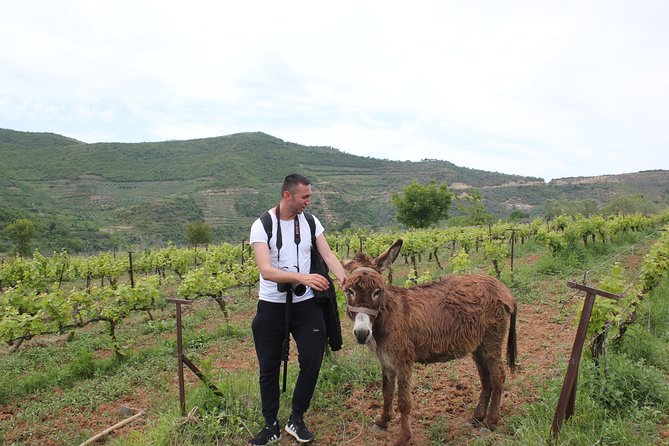
- Nature days that feel hands-on: lagoon boat time, canyon viewpoints, and Bogove waterfall swimming options
- Food built into the route: a castle-area family lunch and an agro-farm dinner in Roshnik’s food-and-wine zone
- A small-group pace: up to 8 people, so you can actually hear the guide and ask questions
- South Coast scenery without the guesswork: Porto Palermo castle stops and the high views from Llogara Pass
Price and Logistics: what your money actually buys
At $973.82 per person for about 6 days, the value comes from the bundle: transport between major regions, a tight cluster of UNESCO stops, and multiple included or free-entry experiences. You’re not only paying for sites—you’re paying for the route being put together so you’re not stitching together buses and tickets across Albania on your own.
I like that pickup is offered and that you’ll also have mobile tickets. That matters more than it sounds when you’re hopping from Tirana to the south and then back up again near the end.
The tour uses a practical structure too: some major “anchor” attractions come with included admissions, while many smaller stops are marked as free. That means your day-to-day spending stays lower since you’re not constantly paying for every single point of interest—still, drinks and personal expenses are on you.
More multi-day Albania tours, north to south, we have travelled from Tirana
Tirana to Durrës: start with history, then hit the coast
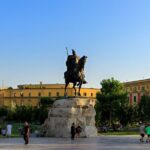
You begin in Tirana, and the morning plan gets your bearings fast: Scanderbeg Square, the old mosque in the center, and a quick lesson on the area’s architecture and history. It’s a good warm-up because it explains the city’s layers without turning it into a lecture hall.
Next comes Bunk’Art, an ex-communist bunker repurposed as a museum. It’s the kind of stop that makes Albania’s recent history feel real—especially once you connect what you see underground with what the country had to rebuild on top.
Then you get the modern pulse in the Blok district, the former home area of important officials that’s now known for bars and nightlife. Even if you’re not there to party, it helps you understand how the city shifted after communism.
After that, you head to Durrës, Albania’s biggest coastal city. The highlight is the amphitheatre—called the biggest in the Balkans—which gives you a strong “Roman scale” moment early in the trip. Pair that with the Archaeological Museum and you get context for what you’re looking at instead of just snapping photos.
You finish Durrës with free time on the pedestrian street near the Adriatic. I like that choice because it lets you slow down, try an easy meal, and reset before the route starts stacking UNESCO stops in the south.
Laguna e Karavasta and Berat Castle: birds, boat rides, and lived-in old walls
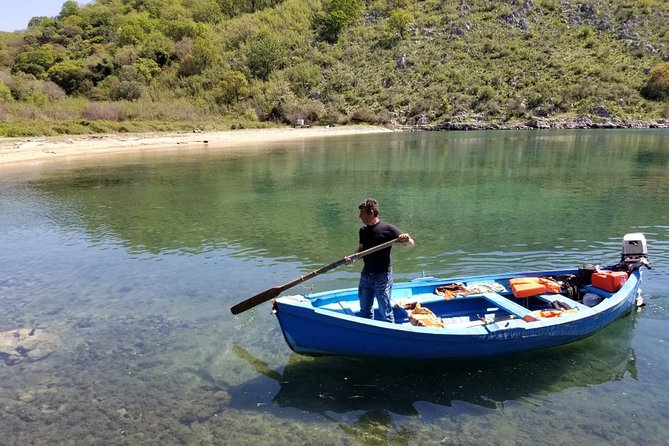
Day two is where the tour’s “nature plus culture” formula gets real. You start at Laguna e Karavastase, known for endemic species and especially for the Dalmatian pelican. The lagoon information center helps you understand what you’re actually watching before you get on the boat.
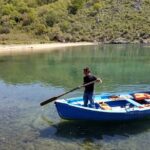
Then you take a boat trip through the lagoon. This is the type of activity that feels simple but lands well because the wildlife and water make it feel different from town sightseeing. If you care about birds or just like calm scenery, you’ll enjoy the slower pace here.
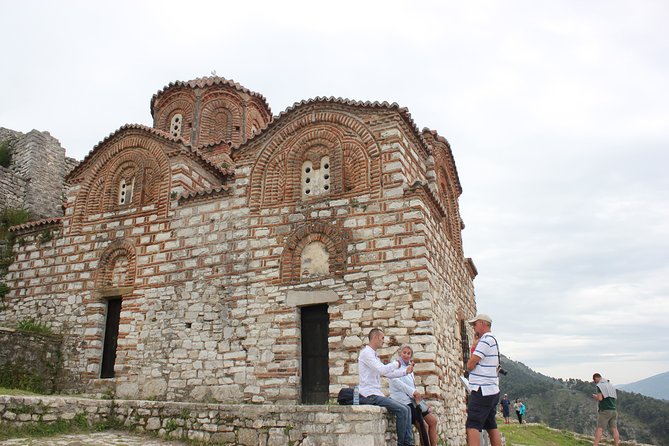
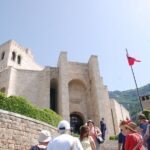
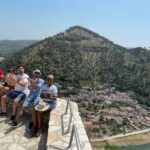
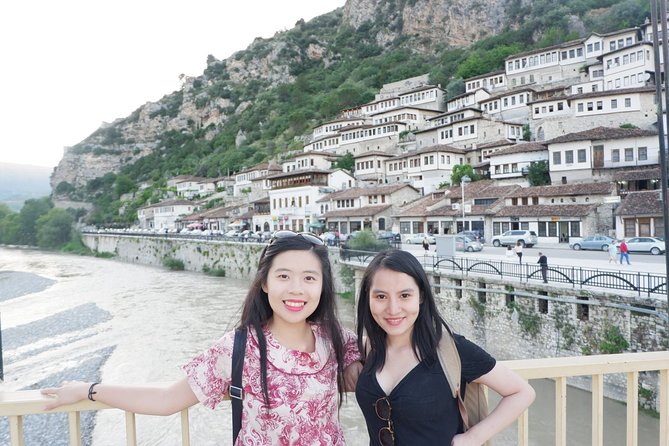
After the lagoon, you roll into Berat, Albania’s UNESCO city famous for architecture. The big star is Berat Castle, built on older foundations (notably said to date back to the IV century BC). Walking inside a fortress like this is different from reading about it—you see how the buildings and views work together.
You also visit the Onufri Museum, a church space holding icons linked to Albanian masters. The tour frames this as religious art tied to tolerance, which is a helpful lens for understanding why icon painting in this region has such cultural weight.
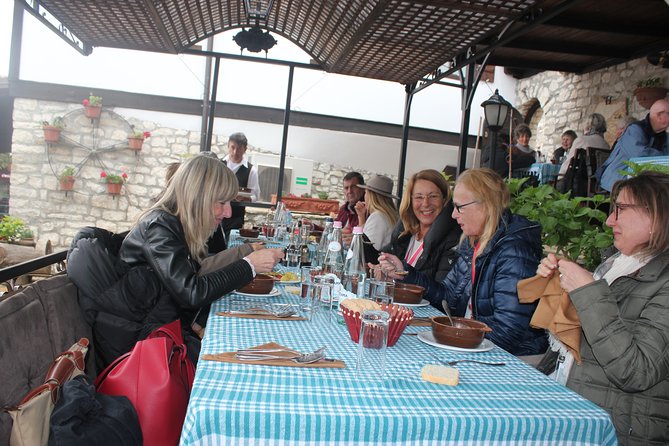
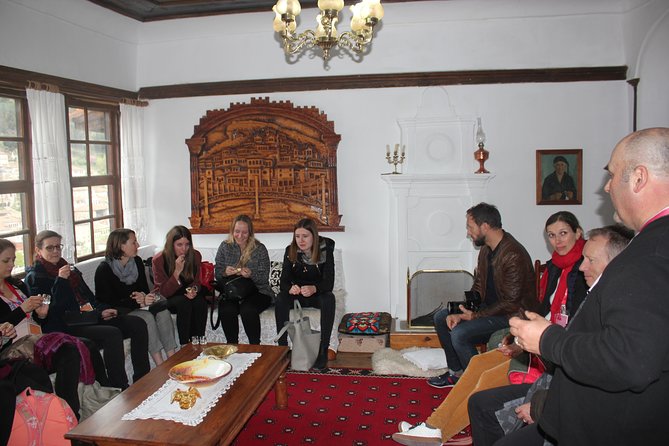
Then comes one of the best value moments in the entire schedule: lunch with a local family who lives inside the castle. This is the kind of experience you can’t easily recreate on your own, and it’s where a guided route earns its keep. It also changes the whole feel of Berat, because you stop seeing it as only a postcard town and start seeing it as a place people still inhabit.
The afternoon stays open for you to wander Mangalem and Gorica at your own speed. I’d use that time for viewpoints and smaller lanes where the architecture gets more personal.
Poliçan to Osum Canyon and Bogove Falls: outdoors time with real swim potential
Day three moves into the south’s natural playground. You start in Poliçan, a small town founded during communist times for weapons production. You’ll see the weapon factory from a distance and learn about how the communist and present-era realities shaped the town. It’s a stark stop that adds variety after the softer historic cities.
Then you head toward Osum Canyon (Kanioni i Osumit), often described as Albania’s “our Colorado” style canyon. It’s the biggest canyon in the country, and the viewpoints plus walking give you those big-scale gorge views that photos struggle to capture.
The tour keeps it flexible here: you’ll stop at viewpoints, walk around, and there’s an option for short exploration and swimming in the canyon. If you go for a swim, bring a towel you don’t mind getting wet and wear footwear that can handle slick stone. Even if you don’t swim, the water sound and canyon air make it worth it.
On the way back toward Berat, you stop at Bogove Waterfall. Bogove is framed as a small village tied to nature, and you walk through the national park space where you can enjoy the stream running down from the falls. You can also fresh up with cool waters or swim at the waterfall.
That “cool down with water” moment is a smart pacing tool. It turns a long travel day into something memorable and physical, rather than just a checklist of stops.
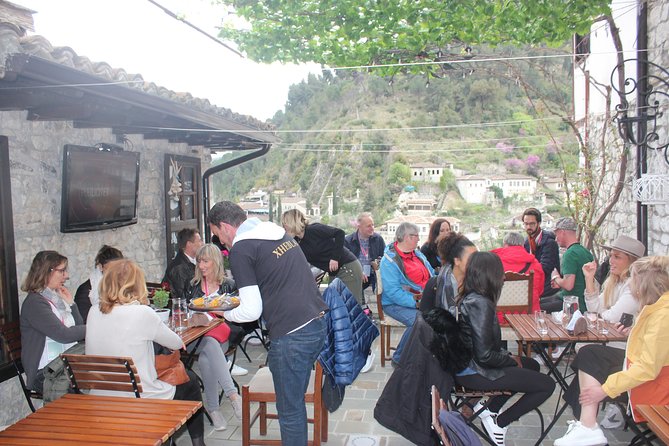
You finish the day back in Berat, then head out to Roshnik village, about 20 minutes from town, a region known for food and wine. Dinner is at an agro farm with local food. I love this because it gives you a taste of the south’s everyday rhythm—what people actually cook and serve—without forcing a formal restaurant-style experience.
Gjirokastër and the Blue Eye: fortress-bazaar streets and spring-fed magic
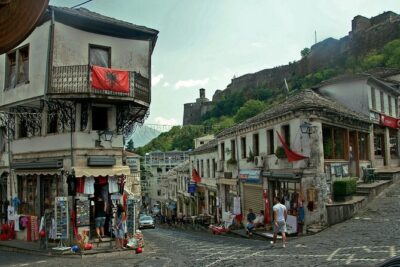
Day four is a shift into UNESCO-town energy again. You go to Gjirokastër, another UNESCO destination known for its castle and its bazaar. The bazaar walk helps you understand the town’s architecture and the way the city built its commercial life around the fortress and terrain.
The lunch is in Gjirokastër, which matters because you’re not just racing through. Taking a real pause mid-day helps you enjoy the architecture instead of just moving through it like a camera on legs.
After lunch, you transfer toward Sarandë, but you stop at the Blue Eye on the way. It’s a natural park in the south known for its spring, and the short time there still gives you a classic “how is this water this clear” moment. Expect it to feel like a reset after the stone streets.
Then you check into Sarandë (or nearby base) and get free evening time along the pedestrian street. This is a good time to try casual local snacks, pick a simple dinner, and watch the evening flow at your own pace.
More Tirana food and raki walks for byrek, grilled peppers and a shot or two



Butrint, Porto Palermo, and Llogara Pass: ruins plus sea views
Day five is your “big drive with big rewards” day. You start with Butrint National Park, one of Albania’s most important archaeological and natural sites. You visit ancient ruins and then you’re given time to take photos and enjoy the views. This is one of the best stops for people who like mixing deep time with the outdoors—ruins in a natural setting rather than ruins in a dry museum hall.
Then you head toward the coast via the Albanian Riviera, stopping in the Vlore direction with panoramic viewpoints. You visit Porto Palermo castle, with short viewing moments that are designed to keep the scenery from becoming wallpaper. The drive itself is part of the experience here.
You continue through Llogara Pass, noted as 1,091 m above sea level. That altitude is why the views are such a headline—Ionian sea visuals from above. Lunch is included at a restaurant with the view, which is exactly how I’d want to experience a mountain pass: food with the scenery doing the work.
You finish by arriving in Vlorë and checking into your hotel. The evening is free to walk the Ionian coast. I’d use that time to eat something easy and slow, because by day five your legs will probably feel the earlier canyon and waterfall days.
Zvernec and Apollonia: lagoons with pelicans and an ancient town’s afterlife
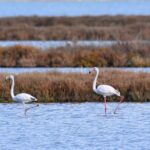
The last day keeps the “nature + history” pattern going, and it does it with variety. You go to Zvernec near the Narta Lagoon area, where the region is known for flamingos and Dalmatian pelicans. You visit the monastery and enjoy the nature around you.
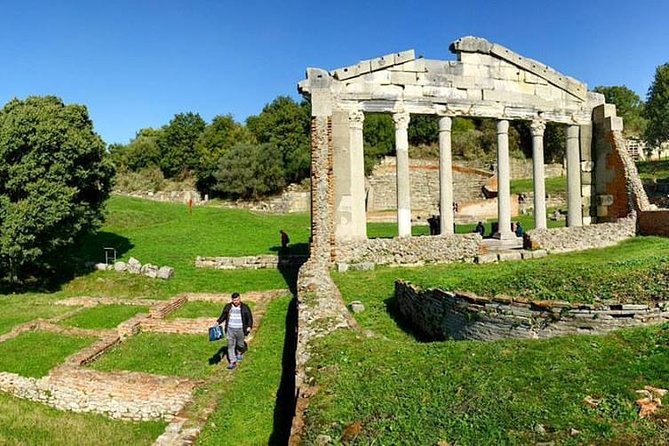
After that, you head to Apollonia Archaeological Park, an ancient town with ruins and a monastery. The tour frames it as a place that had glory during antiquity and then later faced decline, and that storyline helps you read the ruins instead of just looking at scattered stones.
Then you return to Tirana for drop-off at the end of the service. You get enough wrap-up so you’re not stuck traveling all night after a full day of walking and viewpoints.
Who this tour suits best (and who should adjust)
This works best if you want a guided “greatest hits” route that still includes real nature time. It’s especially good for people who care about UNESCO sites but don’t want a pure museum-and-palace crawl.
I also think it’s a strong fit if you enjoy a mix of scenery: castles in hill towns, bird-and-water lagoons, and canyon and waterfall stops with optional swims. The itinerary is built around variety, which makes it easier to stay excited on day four and day five when a lot of tours start feeling repetitive.
If you’re sensitive to walking and climbing, or if you dislike long driving stretches, you’ll want to consider your comfort level. The tour asks for moderate physical fitness, and the route includes canyon and waterfall terrain plus viewpoint stops.
My bottom line: should you book this Albania highlights run?
Yes, book it if your ideal trip includes UNESCO sites plus nature you can feel—boat trips, waterfalls, and canyon time—along with meals that connect you to daily life in south Albania. The small group size (max 8), pickup option, and the way meals and admissions are folded in make it feel like a smoother deal than trying to assemble everything alone.
I’d pass or at least compare alternatives if you’re after a slow travel pace or if you hate uneven terrain. Otherwise, this is a strong way to see a lot of Albania’s highlights in a tight window, with enough outdoors to balance the history.
FAQ
How many days is the Albania Highlights tour?
The tour lasts about 6 days.
Where does the tour start, and is pickup offered?
The tour is based in Tirana, and pickup is offered.
Which UNESCO sites are included?
You’ll visit Berat, Gjirokastër, and Butrint National Park.
What nature highlights are included besides UNESCO sites?
The route includes Laguna e Karavastase with a boat trip, Osum Canyon, Bogove Waterfall (in a national park setting), the Blue Eye, plus Porto Palermo viewpoints, Llogara Pass, Zvernec nature around the lagoon, and Apollonia.
Are meals included? Are drinks included?
The tour includes dinner, and some breakfasts and lunches are included on certain days. Drinks are not included.
How big is the group?
The group size is limited to a maximum of 8 travelers.
Is entrance or admission included for ticketed sites?
Some admissions are marked as included (for example Osum Canyon, Bogove Waterfall, Butrint National Park, Blue Eye, and admission tied to Llogara Pass lunch). Other stops are marked as free.
Is the tour suitable for active travelers?
It requires moderate physical fitness. There is walking and some uneven terrain, including canyon and waterfall areas.
What’s the cancellation timeframe?
You can cancel up to 24 hours in advance for a full refund. If you cancel less than 24 hours before the start time, the payment isn’t refunded.
More from Our Tirana Review Desk
More Tirana Food and Raki Walks


More Multi-Day Albania Tours, North to South
Not quite it? More Tirana tours and Albanian day trips fresh off our review desk


Best of Albania Multi-Day Tours, compared.
 ★ 5.0Bike or E-Bike Tour Tirana: Highlights & Grand Park Guided CycleFrom $42124 reviews
 ★ 5.0Private 4 Day Tour of Albania from North to the SouthFrom $83836 reviews
 ★ 5.0Private Kosovo Tour from Tirana: Prishtina & Prizren HighlightsFrom $15431 reviews
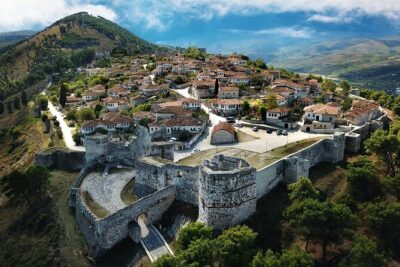 ★ 5.0Small Group Tour; Pearls of Albania in 8 Days (3 UNESCO Sites)From $2,27829 reviews
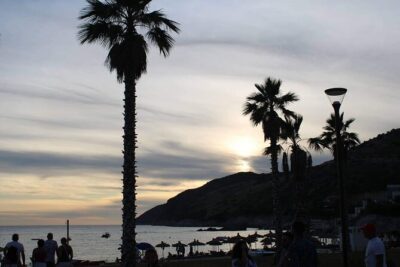 ★ 5.0Discover the Best of Albania: 7 Days of Highlights & Hidden GemsFrom $20425 reviews
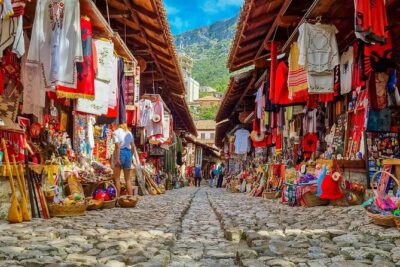 ★ 5.0Small Group Tour; Gems of Albania, Kosovo & N. MacedoniaFrom $2,36123 reviews
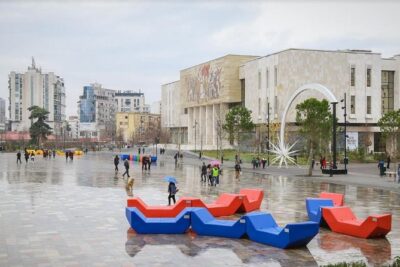 ★ 5.0The truest face of CommunismFrom $9018 reviews
 ★ 5.0Best Places To Visit in Albania Tour in 5 daysFrom $66215 reviews
Browse the lists this tour appears in