
Reviewed · HISTORICAL TOURS
UNESCO Heritage Sites in Albania on 3 day tour
Five UNESCO stops in three days, and it works. You’ll bounce from ancient ruins to Ottoman old towns, then finish on the Adriatic coast, all wrapped into one smooth route anchored by UNESCO World Heritage sites like Butrint and Gjirokastër.
What I really like is the guide-led feel of it. If you’re with someone like Zeni or Skerdi, you’re getting stories that make Albania’s layers click, not just dates on a sign. I also like how the schedule gives you both city texture and big-view moments, from the cobblestones of Gjirokastër to the hilltop perspective at Berat’s Kalaja.
One thing to plan for: the driving day can be long. On Day 1, the transfer from Tirana to Butrint takes almost 4 hours with small breaks, so wear comfy shoes and expect a bit of “go-go” pacing.
In This Review
- Key highlights you’ll feel right away
- How this 3-day UNESCO route from Tirana plays out
- Day 1: Butrint National Park, Saranda promenade, and Ottoman Gjirokastër up the hill
- Butrint National Park: stepping into ancient layers
- Sarandë stop: sea promenade + lunch break
- Gjirokastër Old Town: a museum-city feel with Ottoman bones
- Gjirokastër Bazaar and Castle: the Crown of the City
- Day 2: Apollonia Archaeological Park and Berat’s Thousand-Window neighborhoods
- Berat Castle and a real break: gliko + Turkish coffee stop
- Day 3: Durres promenade + the gladiator-era amphitheatre
- Price and what you’re really buying for $520.40 per person
- Who this tour suits best (and who might want a slower plan)
- Should you book UNESCO Heritage Sites in Albania on this 3-day tour?
- FAQ
- What UNESCO sites does this 3-day Albania tour cover?
- How long is the tour?
- What is the starting time?
- How much does it cost?
- Does the tour include pickup?
- Are entrance fees included?
- Are meals included?
- Is this tour private?
- Does the tour use a mobile ticket?
- Can I get a refund if I cancel?
- Are service animals allowed?
Key highlights you’ll feel right away
- Local guide energy: names like Zeni and Skerdi show up in the team style, with friendly, professional storytelling
- Butrint’s “you are there” ruins: Rome-era remains in an atmospheric setting, with entrance included
- Gjirokastër fortress views: the Crown-of-the-City feeling from the castle hill and the legend of Argjiro
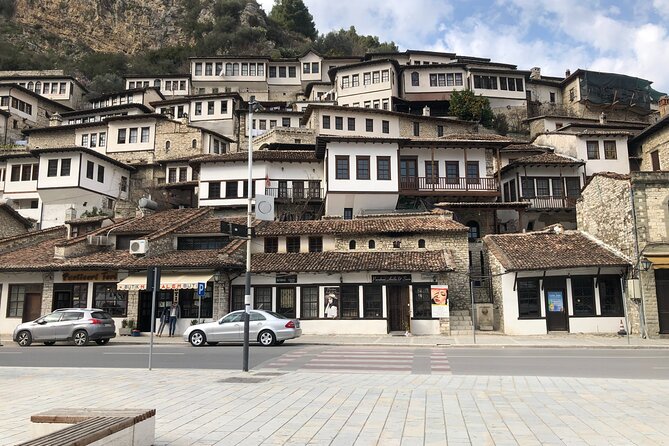
- Berat’s Thousand Windows in real life: churches, mosques, and hillside neighborhoods you can actually walk through
- A small taste of local food culture: gliko and Turkish coffee at a local guest house stop during Berat
How this 3-day UNESCO route from Tirana plays out
This is a classic Albania “history stack” trip. You start in Tirana at 9:00 am, then the tour moves in a logical arc: ancient south (Butrint), Ottoman mountain towns (Gjirokastër), then central-south sacred and civic life (Apollonia and Berat), and finally coastal endurance (Durres).
Because it’s a private tour for your group, the pacing feels more natural than you’d get on a crowded bus day. You’re using an air-conditioned vehicle, and the plan includes pickup. There’s also a mobile ticket, which helps keep everything simple when you arrive.
The price—$520.40 per person for about three days—isn’t just paying for entry signs. You’re paying for transport between far-flung stops, a guided connection between them, and all fees and taxes handled by the operator. Meals are not included, so you’ll want to budget lunches and dinners as part of the real cost.
More Tirana history walks through castles and old quarters



Day 1: Butrint National Park, Saranda promenade, and Ottoman Gjirokastër up the hill
Day 1 is where you get the biggest “wow” swing. You leave Tirana and drive for almost 4 hours, with small breaks along the way. On the way, you pass some of Albania’s most photogenic coast scenes around Sarandë and Ksamil, which sets the tone: this isn’t only history; it’s also water, light, and sea air.
Butrint National Park: stepping into ancient layers
You’ll arrive at Butrint National Park and spend about 1 hour at the archaeological park. Entrance fees are included here, which is a nice practical touch because it removes one item from your mental checklist.
Butrint’s appeal is how it feels both ancient and open. You’re not just looking at ruins behind a fence; you’re walking in a space shaped by nature. The ruins also connect different eras, so when the guide points out what you’re seeing—old stonework, changing functions over time—it helps you understand that “history” here isn’t one single chapter.
Practical tip: bring sun protection and a bottle of water. Even when the pace is relaxed, you’re outdoors for the better part of the visit.
Sarandë stop: sea promenade + lunch break
On the return swing, you stop in Sarandë for about 1 hour. The plan is simple: enjoy the promenade by the sea and grab a delicious lunch.
This is a good reset moment. After walking ruins, you get a clear change of scenery. If you’re the type who likes to stretch legs and take photos without rushing, this short stop hits the right balance.
Gjirokastër Old Town: a museum-city feel with Ottoman bones
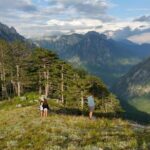
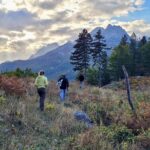
After lunch, you head to Gjirokastër, another UNESCO town, perched on the side of the mountain above the valley. The walk is about 2 hours, and the old town feels remarkably preserved—especially in the way neighborhoods climb and how the Ottoman-era architecture keeps shaping what you see at street level.
You’ll move through narrow lanes and cobblestones, and the town’s layout gives you natural “pause points” where views open up. That matters because it turns the walk into something more than sightseeing. You start to get a sense of how people lived—how the city defended itself, how markets formed, and why the castle mattered.
A few more Tirana tours and Albanian day trips worth a look
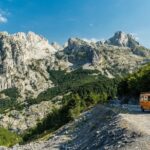
Gjirokastër Bazaar and Castle: the Crown of the City
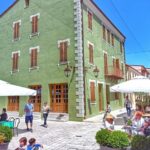
Gjirokastër’s center pulls you in fast. The tour spends about 15 minutes at the Gjirokastër Bazaar area. You’ll start to notice the main square named after Cerciz Topulli, and the way cobblestone streets lead you from lower streets up toward the hilltop.
Here’s what I find especially useful as a visitor: the bazaar isn’t just decorative. The setting helps you imagine daily life—business, gossip, and quick-turn communication moving through the center of town. It gives context to why this place feels like a living town instead of an open-air museum.
Then you climb to Gjirokastër Castle for about 30 minutes. This fortress is tied to local legend, including the story of Argjiro, the young princess who sacrificed herself—so people often call it the Crown of the City. In practical terms, the castle’s real value is twofold: it’s historically layered (used as fortress and prison across different regimes), and it offers strong views over the town spread below.
If you want a one-sentence souvenir feeling, it’s this: from the castle, the city makes sense.
Day 2: Apollonia Archaeological Park and Berat’s Thousand-Window neighborhoods
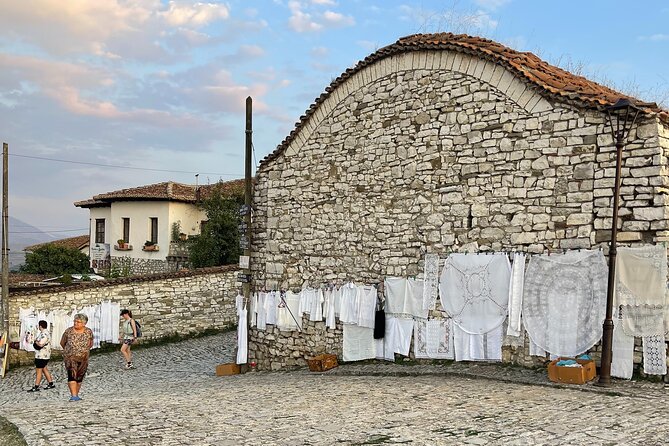
Day 2 is the “calm power” day—less sprinting, more lingering with meaning. You’ll start with Apollonia Archaeological Park for about 1 hour. Admission is listed as free on the schedule, and the tour includes entrance fees for Apollonia as well, so you’re covered.
Apollonia’s setting helps explain why people connect archaeology to reflection. The park combines monuments and nature, and the overall vibe is relaxed. You can appreciate the scale of what’s left without feeling like you’re being rushed through a checklist.
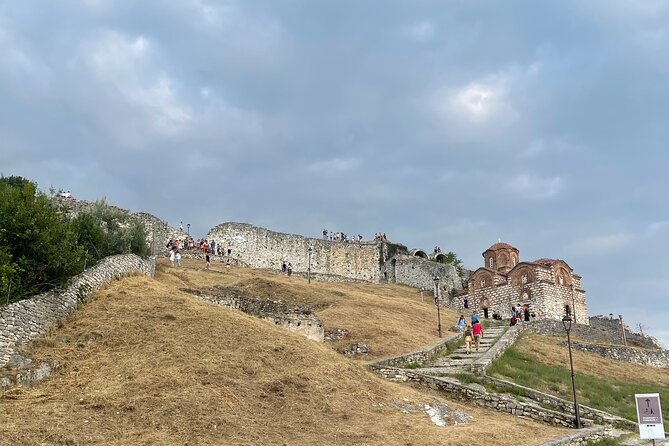
Then you head to Berat, the City of Many Windows—inscribed on UNESCO in 2008. You get about 2 hours here, and the town feels layered across more than two millennia. The key district is the castle quarter, the Kalaja, and the tour highlights that this is the oldest part of the city.
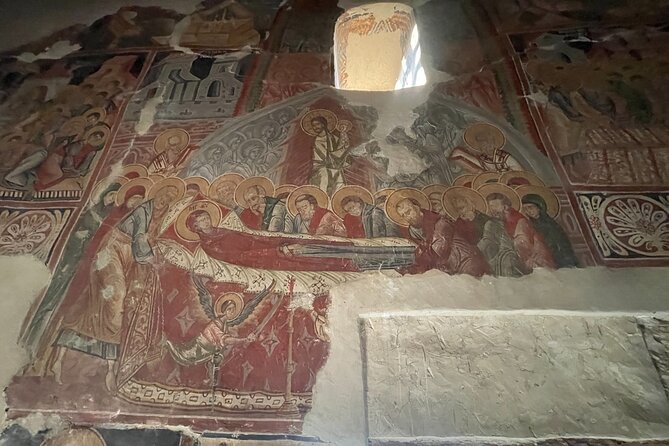
What you’ll notice in Berat is how religion and architecture share space on the hillside. The Christian Orthodox presence shows through with churches that date back as far as the 14th century, while Ottoman influence appears through other structures in the area. Berat’s “thousand windows” idea isn’t only a poetic slogan—it’s built into how buildings face the valley.
Berat Castle and a real break: gliko + Turkish coffee stop
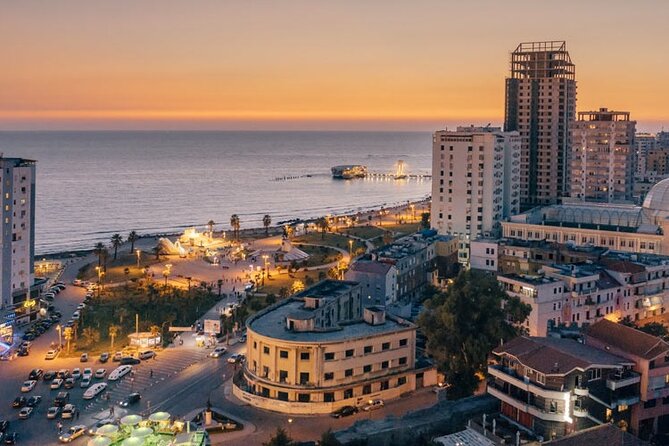
After Berat town time, you’ll visit Berat Castle (the plan says about 1 hour). The walls are described as dating back to the 13th century, and the surrounding area includes Byzantine churches plus Ottoman mosques—so you get a visual timeline stacked on top of itself.
This is the moment to slow your eyes. Instead of trying to memorize facts, look at transitions: stonework to arches, older church outlines to later Ottoman forms, and how different powers left physical traces.
Then comes a small but memorable cultural pause: you can try gliko and Turkish coffee at a local guest house. That’s a good value-add because it’s not a big formal meal, but it still gives you a taste of everyday Albanian hospitality.
Practical tip: treat the coffee and sweet as a short energy top-up, not a replacement for dinner. Meals aren’t included on the tour.
Day 3: Durres promenade + the gladiator-era amphitheatre
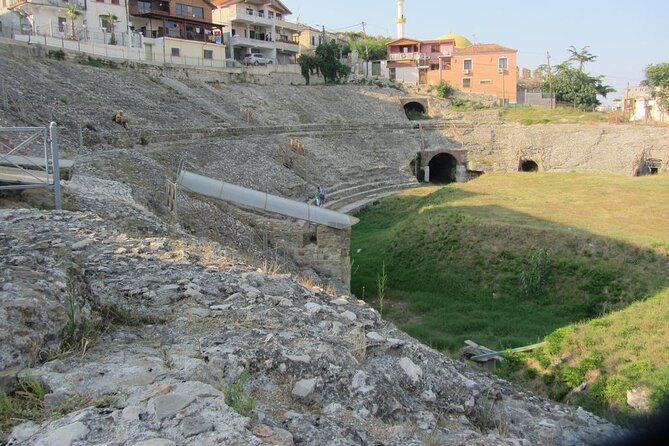
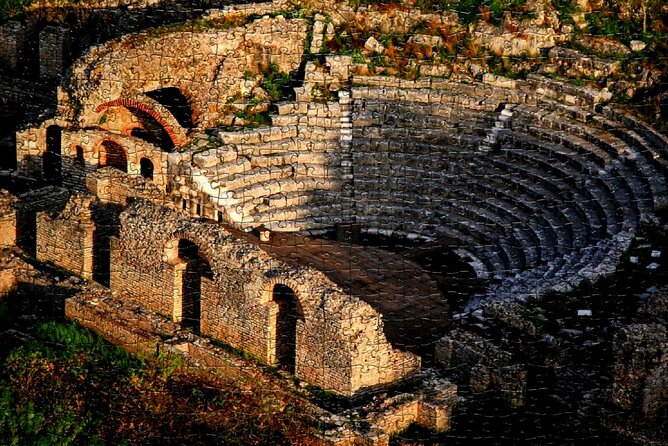
Day 3 brings you to Durres, a coastal city with a different rhythm. You get about 1 hour total here, including time for a leisure stroll on the main promenade and a visit to the historic amphitheatre.
The amphitheatre is long associated with gladiator battles, and that matters because Durres isn’t only a beach stop—it’s a place where Roman entertainment culture still shapes the story of the city. Even in a short visit, you can feel why amphitheatres became such central symbols of power and public life.
This day works well as a finish. The older inland towns can feel intense with elevation and walking. Durres resets you with sea air and open views before you return toward Tirana and wrap up the tour.
Price and what you’re really buying for $520.40 per person
Let’s make the value math practical.
You’re paying for:
- Transportation between multiple far-apart regions (Tirana → Butrint → Gjirokastër → Apollonia/Fier area → Berat → Durres)
- An air-conditioned vehicle
- Entrance fees handled for Butrint and Apollonia
- All fees and taxes
- A guided experience, with strong emphasis on storytelling and professionalism from guides such as Zeni and Skerdi
- A private setup so the schedule is for your group, not mixed crowds
What you’re not paying for:
- Lunches and dinners (the tour explicitly doesn’t include them)
So the real question isn’t only whether the base price feels fair. It’s whether you want a structured route that hits the big UNESCO points—plus the smaller recognized historic stops—without you managing the logistics yourself. If you like having the route stitched together and prefer to spend your energy on the sites, this pricing starts to make sense.
If you hate driving days or you want more time per town (especially for Berat’s hillside views), you might feel a little rushed. In that case, you could still book, but go in with a slower-pace mindset during the walk stops, not the road times.
Who this tour suits best (and who might want a slower plan)
This is a strong fit if you:
- Want a first-timer UNESCO crash course that still includes meaningful walking time
- Enjoy seeing how Ottoman and Roman-era places connect in one trip
- Prefer guide-led storytelling over reading alone
- Like the mix of ruins, old town streets, hilltop forts, and sea time
It’s less ideal if you:
- Need long, quiet hours at each site and dislike “move after a visit” schedules
- Have limited tolerance for transfers—Day 1 includes a long drive from Tirana to Butrint
- Plan to rely on included meals (since lunches and dinners are not included)
Should you book UNESCO Heritage Sites in Albania on this 3-day tour?
I’d book this if you want Albania’s UNESCO highlights in one organized, guide-led loop that doesn’t feel like a checklist. The combination of Butrint, Gjirokastër, Berat, Apollonia, and Durres gives you history with variety: ruins, mountain towns, citadels, and a Roman-feeling coastal finale.
If you do book, do yourself a favor: pack comfy shoes, sun protection, and cash or card ready for meals. Also, bring a camera mindset for the castle viewpoints—because those hilltop views are the payoff moments.
And if you’re hoping for a more story-driven day, look out for guides in the Zeni/Skerdi style. Their approach is part of why this trip gets strong praise: the sites make more sense once you understand the human reason behind the stone.
FAQ
What UNESCO sites does this 3-day Albania tour cover?
You’ll visit Butrint National Park, Gjirokastër (Old Town and castle area), Apollonia Archaeological Park, Berat (including the castle area), and you’ll also stop in Durres to see the amphitheatre.
How long is the tour?
The tour runs for 3 days.
What is the starting time?
The tour starts at 9:00 am.
How much does it cost?
The price is $520.40 per person.
Does the tour include pickup?
Yes, pickup is offered.
Are entrance fees included?
Entrance fees are included for Butrint and Apollonia.
Are meals included?
No. Lunches and dinners are not included.
Is this tour private?
Yes. It’s a private tour/activity, so only your group participates.
Does the tour use a mobile ticket?
Yes, it includes a mobile ticket.
Can I get a refund if I cancel?
Yes. Free cancellation is available if you cancel up to 24 hours in advance for a full refund.
Are service animals allowed?
Yes. Service animals are allowed.
More Tirana Heritage and Old-Quarter Walks
More Tirana Tours and Albanian Day Trips

More from Our Tirana Review Desk

Not quite it? More Tirana tours and Albanian day trips fresh off our review desk






Historical Tours, compared.
 ★ 5.0Tirana Walking Tour: History, Culture &Gems by a Passionate GuideFrom $3652 reviews
 ★ 5.0Semi – Private Tour at Cape of Rodon; Hidden Beaches & HistoryFrom $17046 reviews
 ★ 5.0Walking tour of Tirana; History & CultureFrom $1737 reviews
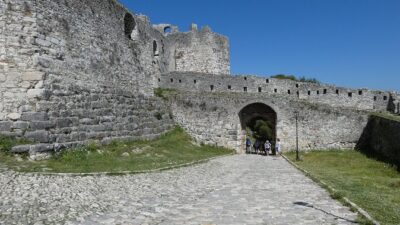 ★ 5.0Berat Cultural Tour by 1001 Albanian AdventuresFrom $3626 reviews
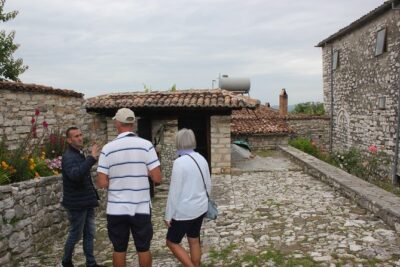 ★ 5.0Day Trip To Berat,UNESCO Heritage with Tirana Day TripsFrom $13219 reviews
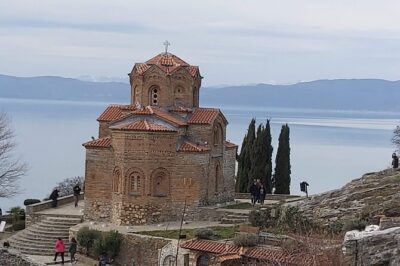 ★ 5.0Private Full-Day Historical Day Tour in North Macedonia and AlbaniaFrom $54018 reviews
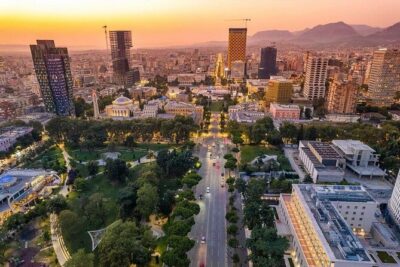 ★ 5.0Walking Tour Historic Jewels in TiranaFrom $3017 reviews
 ★ 5.0Kruja & Durres | History and Local FoodFrom $18617 reviews
Browse the lists this tour appears in